
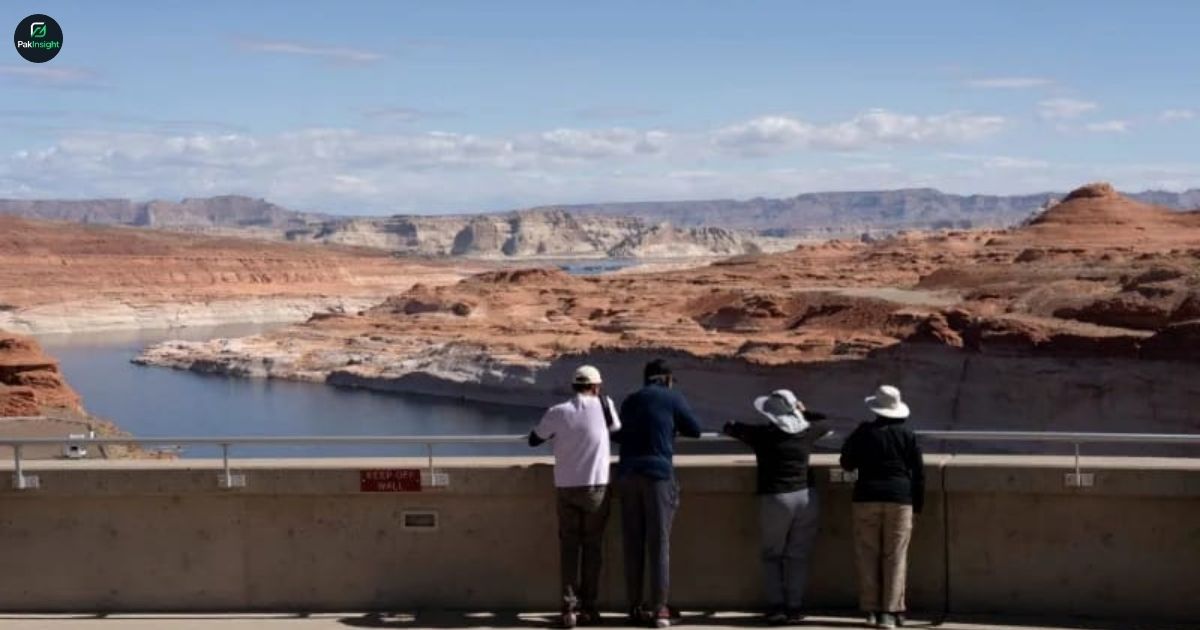
The United States is preparing major Colorado River water cuts as officials respond to a worsening drought and long-term water shortages affecting multiple western states.
The proposed federal plan could reduce water allocations by up to 40% for Arizona, California, and Nevada. The move comes as talks between seven US states over the Colorado River have stalled, raising concerns about long-term water security.
According to water authorities, the current management agreement for the river is expiring this year. With no state agreement, the US Bureau of Reclamation introduced a plan to protect Lake Mead and Lake Powell.
Officials say cuts are needed due to low rainfall, higher temperatures, and rising water demand in the western United States. The river system, which supplies water to nearly 40 million people, has faced rising pressure for over two decades.
The federal proposal outlines potential reductions of up to 3 million acre-feet of water per year. Experts warn that this volume is enough to supply millions of households, highlighting the scale of the challenge facing policymakers.
Arizona is expected to face some of the most significant impacts. Water managers called the plan “serious” and warned it could impact water supplies.
California, which holds the highest legal priority under existing water laws, is also part of the proposed reduction framework. Nevada, though smaller in water usage, would still face proportional cuts under the federal model.
Authorities say the plan is not final and could change based on water levels and future negotiations. However, officials acknowledge that continued drought conditions may force stricter measures in the coming years.
The Colorado River crisis highlights growing climate pressures across the western US. Scientists say prolonged dry conditions are likely to continue, making water management one of the region’s most urgent policy challenges.