
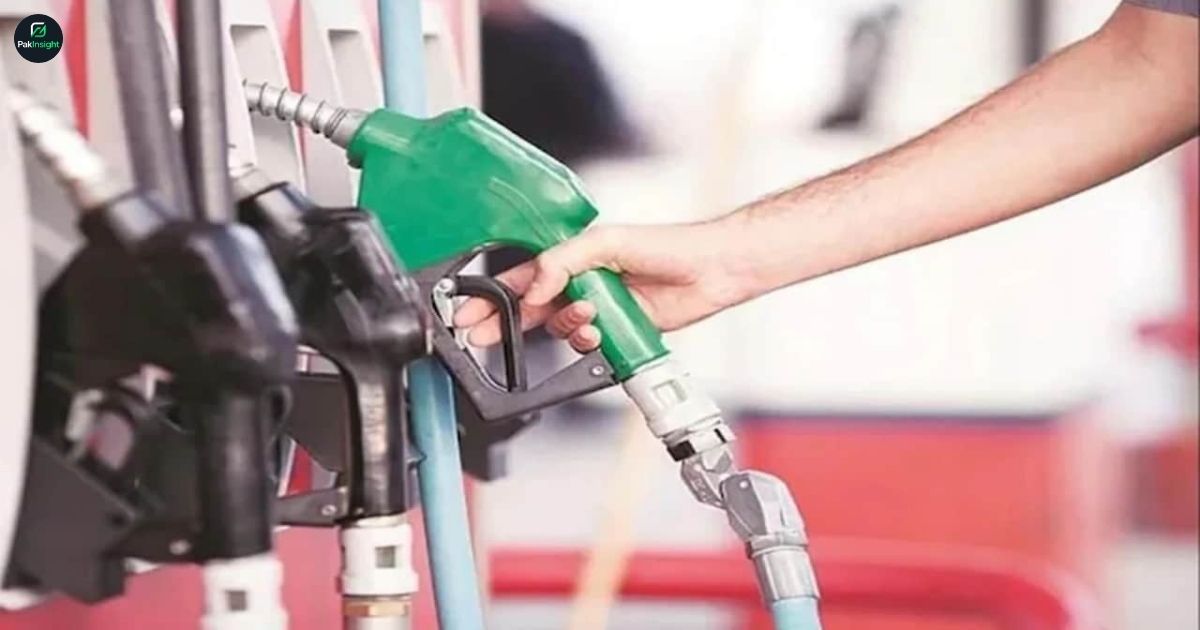
A new petrol price discount has been introduced at selected fuel stations in Pakistan, offering some relief to consumers facing rising fuel costs. The reduction applies to specific company-operated pumps, where petrol is now available at Rs5 per litre less.
The move comes at a time when fuel prices have remained high across the country, putting pressure on household budgets. Many commuters, especially salaried individuals, have been struggling to manage increasing transportation expenses.
Discount Limited to Company-Operated Pumps
The price cut is being offered only at company-managed fuel stations. Dealer-operated pumps are not included in this initiative, leading to mixed reactions among consumers.
There are around 45 such stations across Pakistan, mainly located in major cities and along key highways. These outlets are clearly identified, allowing customers to access the discounted rates where available.
Rising Fuel Costs Behind the Move
Fuel prices in Pakistan are influenced by global oil markets and government regulations. While official prices remain standard nationwide, companies sometimes introduce limited relief measures within allowed frameworks.
High-octane fuel prices, in particular, have seen sharp increases in recent months. In some areas, rates have reached very high levels, adding to concerns about affordability.
Industry sources say recent changes in global oil prices have created some room for competition among fuel suppliers. This has contributed to small reductions in certain segments of the market.
Relief for Consumers, But Limited Impact
The Rs5 per litre reduction offers short-term relief, but its impact remains limited due to its restricted availability. Many consumers may not have easy access to the selected pumps offering the discount.
Still, the move signals a response to public concerns over rising fuel costs. It also highlights how companies are trying to stay competitive while offering some level of support to customers.
For now, broader relief will depend on future changes in global oil prices and government policy decisions.