
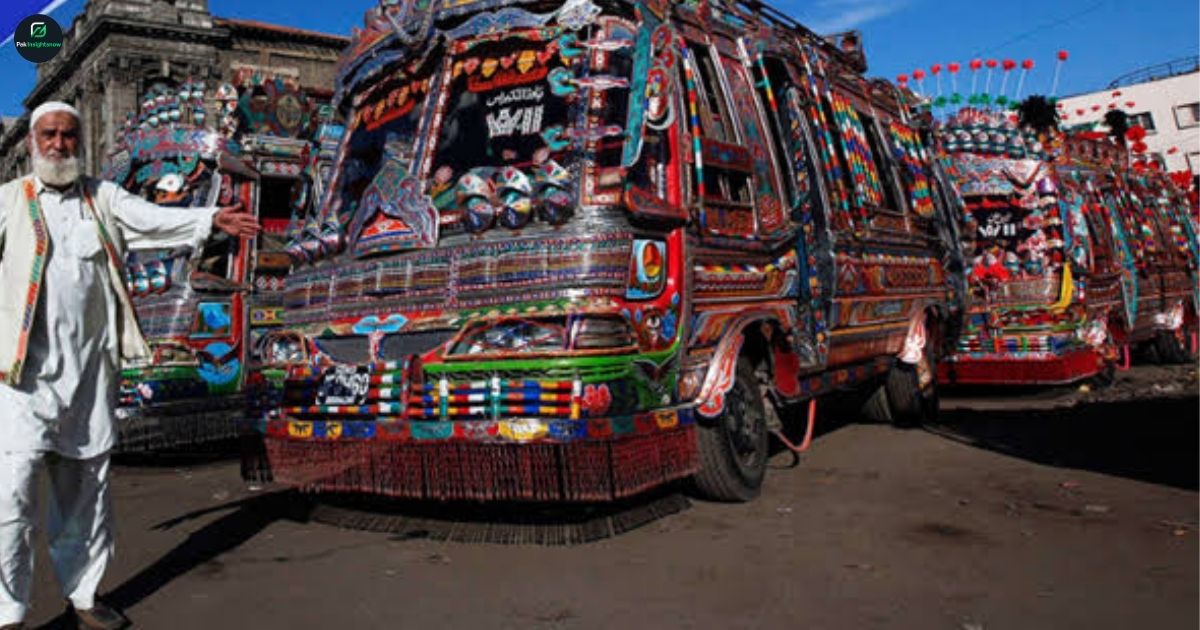
The Karachi Bus Strike has disrupted daily transport across Pakistan’s largest city after bus owners went on a one-day protest against the e-challan system, heavy traffic fines, and a new insurance policy. The strike left thousands of commuters struggling to find affordable transport on Wednesday, as public buses largely disappeared from the roads.
Bus operators said the new enforcement measures have made it difficult for them to continue operations under rising financial pressure. The Karachi Bus Owners Association called for the strike, asking authorities to review what they describe as strict and costly regulations affecting the transport sector.
As a result, major routes across Karachi saw fewer buses, leading to overcrowding on available public transport and increased reliance on ride-hailing services, rickshaws, and private vehicles. Many commuters reported long delays, higher travel costs, and difficulty reaching workplaces and educational institutions on time.
Transporters argue that the e-challan system has increased penalties for traffic violations, while the new insurance requirements add further financial burden. They are demanding a more balanced policy that considers the economic realities of public transport operators.
Officials have not yet announced any immediate change to the policy but have previously defended the enforcement measures as necessary to improve road safety and reduce violations such as wrong-way driving and reckless behavior.
Traffic authorities have also intensified monitoring in recent months, introducing modern surveillance tools to issue challans more efficiently across the city. Officials say reforms improve road discipline, while operators say they were not properly consulted.
The strike highlights ongoing tension between transport unions and city authorities in Karachi, where millions depend on public transport daily. Any prolonged disruption could further increase pressure on urban mobility and fuel public frustration.