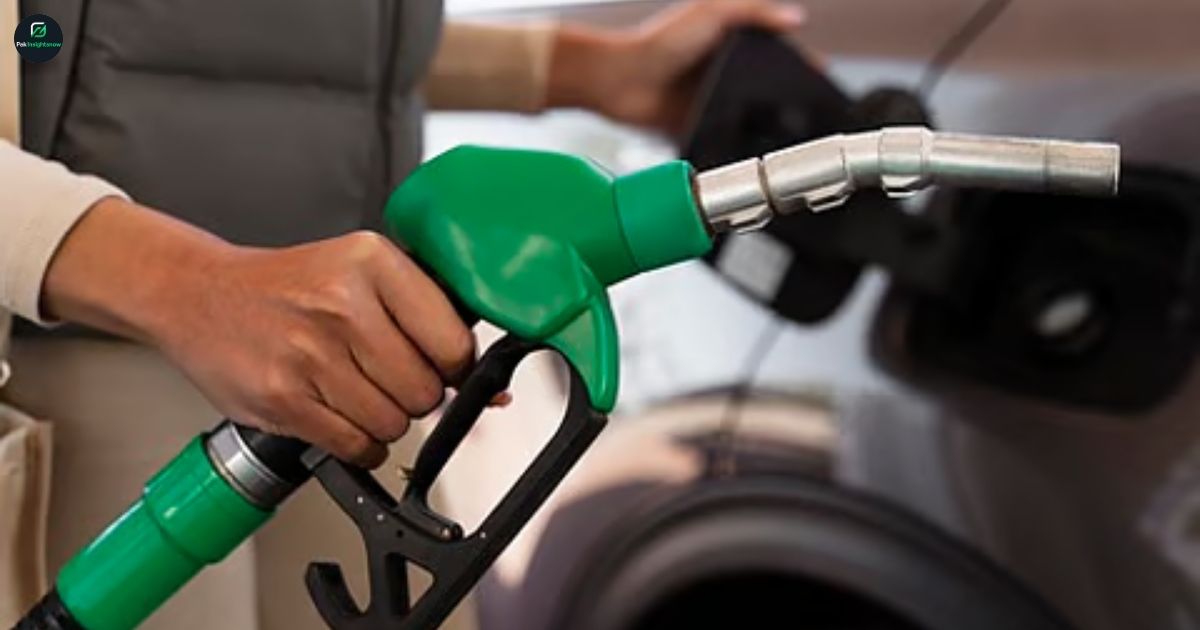
Petrol Price Reduction Pakistan has become a major public discussion after a senior Pakistan Tehreek-e-Insaf (PTI) leader demanded a sharp cut of up to Rs. 100 per litre in fuel prices, citing global oil trends and relief expectations for consumers.
The demand comes at a time when inflation continues to pressure households across Pakistan, with transport and energy costs remaining key concerns. PTI Senator Ali Zafar has urged the government to pass on the full benefit of declining international oil prices to the public, arguing that fuel rates should be brought closer to earlier levels to ease financial stress.
PTI Pushes for Immediate Fuel Relief
Speaking to the media, Senator Ali Zafar called for an urgent reduction in petrol prices, suggesting a cut of Rs. 100 per litre. He also proposed the complete removal of the petroleum levy, saying it would provide faster relief to inflation-hit citizens.
He argued that global oil markets have seen a decline, and Pakistan should not delay transferring that benefit to consumers. According to him, fuel prices in the country remain significantly higher than justified under current international conditions.
Ali Zafar also linked his demand to broader economic relief, stating that reducing petrol prices could help lower transport costs, which directly affect food and essential commodities.
Earlier, Jamaat-e-Islami chief Hafiz Naeem-ur-Rehman also demanded an even larger reduction, calling for a cut of up to Rs. 225 per litre. These repeated calls reflect growing political pressure on the government regarding fuel pricing.
Public Pressure Builds Over Rising Costs
The debate over fuel pricing has intensified in recent weeks as households continue to struggle with rising inflation. Transport fares, electricity generation costs, and commodity prices are all influenced by petrol rates in Pakistan.
Critics argue that any delay in adjusting fuel prices in line with global markets adds a further burden on ordinary citizens. Supporters of price cuts say that immediate relief is necessary to stabilize purchasing power and reduce inflationary pressure.
However, the government has not yet issued any official response to the latest demand made by PTI leaders. Fuel prices in Pakistan are typically reviewed periodically based on international crude oil prices, exchange rates, and taxation policies.
Economists note that while global oil prices influence local rates, domestic taxation and currency fluctuations also play a major role in determining final pump prices.
Government Yet to Respond
At the moment, there is no indication that a Rs. 100 reduction in petrol prices is under consideration. Any adjustment would depend on fiscal space, international market trends, and government revenue requirements.
Experts suggest that sudden large-scale cuts may be difficult due to budgetary constraints. However, incremental reductions are often possible when global oil prices remain stable or decline over a sustained period.
For now, the discussion around Petrol Price Reduction Pakistan continues to gain attention across political circles and among the general public, with expectations of possible relief in upcoming fuel price reviews.