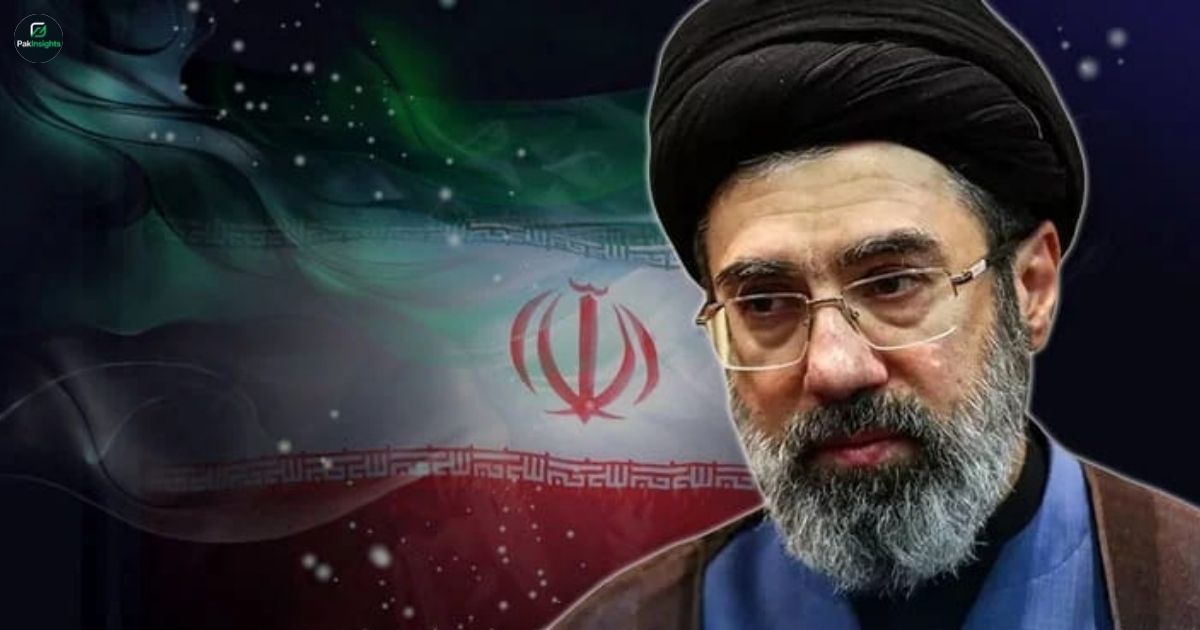
Mojtaba Khamenei was named Iran’s New Supreme Leader After Leadership Transition marks a major moment in Iran’s political history. The leadership change follows the death of Ayatollah Ali Khamenei during an escalating regional conflict. Analysts say the Mojtaba Khamenei leadership transition signals continuity in Iran’s political direction. The appointment also highlights the influence of conservative clerical networks in the Iranian political system.
The succession after Ali Khamenei came through Iran’s powerful clerical establishment. Under the Iranian theocratic government system, the Supreme Leader of Iran holds ultimate authority. The leader controls foreign policy, security forces, and Iran’s nuclear programme. Therefore, the leadership change has drawn strong global attention.
Mojtaba Khamenei, a mid-ranking cleric, has long held influence inside Iran’s political circles. He studied in the Qom seminaries, a major center of Shi’ite theological learning. His clerical rank is Hojjatoleslam, and he developed strong ties with senior religious figures. Many analysts believe his connections helped secure support during the Iranian clerical leadership decision.
The Islamic Revolutionary Guard Corps (IRGC) also plays a major role in Iran’s political power structure. Experts say the IRGC’s influence in Iranian politics strengthened Mojtaba Khamenei’s position. The security apparatus and its economic networks support the leadership’s authority. However, reformist groups still question the concentration of power among hardline factions.
The appointment comes during rising Middle East geopolitical tensions. The United States and Israel recently increased pressure on Iran through military actions and sanctions. The U.S. Treasury sanctions of 2019 had already targeted Mojtaba Khamenei for alleged influence in state affairs. Regional experts say the leadership transition could shape Iran’s foreign policy leadership in the coming years.
In conclusion, Mojtaba Khamenei Named Iran’s New Supreme Leader after the leadership transition, signals a continuation of Iran’s conservative political approach. The change may influence regional diplomacy, security policies, and Iran’s global relations.