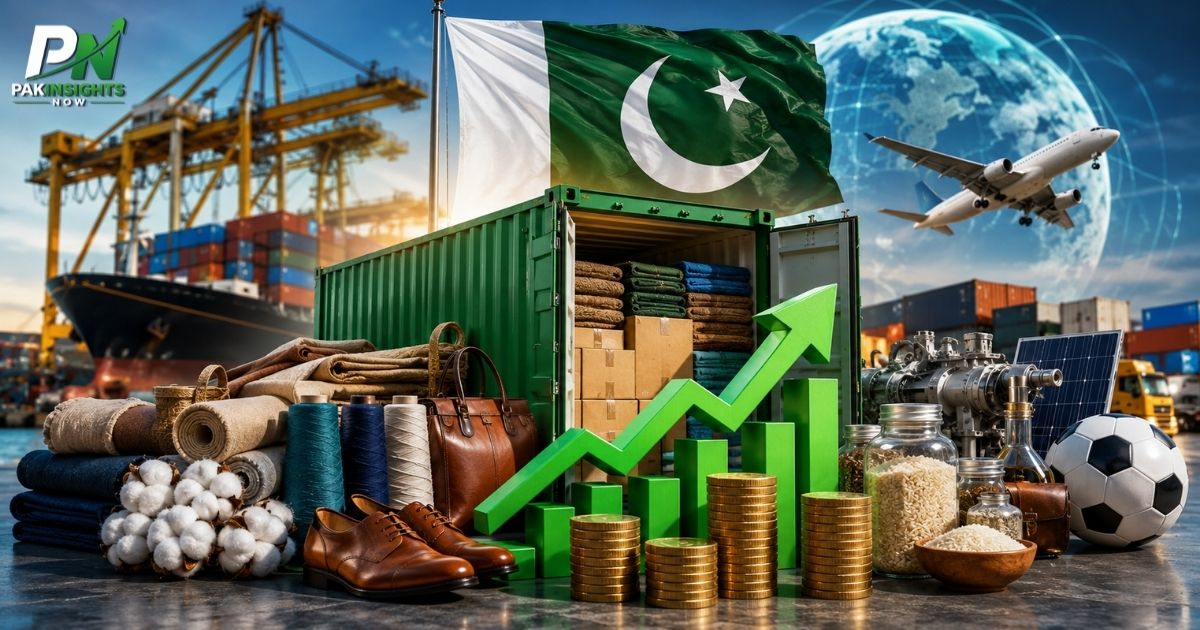
Pakistan’s export sectors have received a major boost after the Ministry of Commerce sanctioned Rs. 10 billion for the textile and apparel industry, along with other export sectors. The funding falls under the duty drawback and technology upgradation schemes and aims to improve industrial liquidity while supporting export growth.
Commerce Minister Jam Kamal Khan announced the decision on X. He said the ministry had approved Rs. 10,000 million for textiles, apparel, and other export sectors under these two schemes. According to the minister, the move should help improve liquidity across the industry and enable exporters to boost their overseas sales.
How will this funding help Pakistan’s export sectors?
The sanctioned amount is expected to ease financial pressure on export-oriented industries. As a result, businesses will gain access to much-needed liquidity support, which can help them meet operational costs and invest in growth.
Additionally, the funds will facilitate technological upgradation within these industries. This support is designed to help exporters modernize their production processes and improve overall efficiency.
Consequently, businesses in Pakistan’s export sectors may find it easier to compete internationally. Better technology and stronger cash flow could help them expand their footprint in global markets and attract new buyers.
What does this mean for the textile industry?
Since textiles and apparel form a major part of Pakistan’s export base, the sector stands to benefit significantly from this funding. The duty drawback scheme, in particular, is intended to return duties already paid by exporters, freeing up capital for reinvestment.
Meanwhile, the technology upgradation scheme allows manufacturers to modernize equipment and processes. Together, these two schemes reflect a broader effort to make the textile industry more competitive on the world stage.
The initiative also signals the government’s ongoing commitment to supporting Pakistan’s export sectors. Officials hope to support sustainable, long-term export growth by improving industrial liquidity and facilitation.