
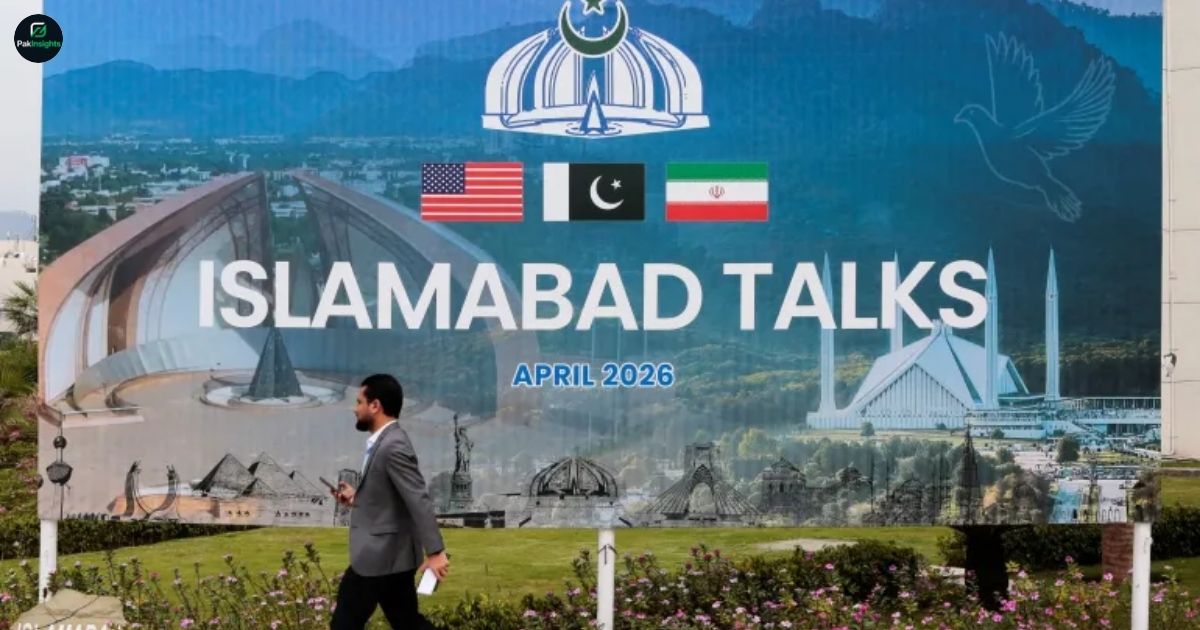
Iran-US Pakistan talks could resume in Pakistan within days, US President Donald Trump has said, suggesting that diplomatic efforts between Washington and Tehran may return to Islamabad amid ongoing tensions.
Speaking in an interview with the New York Post, Trump indicated that both sides were open to resuming negotiations in Pakistan. He described Pakistan’s military leadership as playing a key role in facilitating possible dialogue.
Trump praised Pakistan’s Army Chief Field Marshal Asim Munir, saying he was doing a “great job” in supporting diplomatic engagement between the two sides.
The remarks come as indirect contacts between the United States and Iran continue amid heightened regional tensions. According to earlier reports, negotiation teams had previously met in Islamabad but failed to reach a breakthrough agreement.
The possible return of talks has raised international attention, as Pakistan could again serve as a neutral venue for diplomatic engagement. Analysts say Islamabad’s involvement may help reduce communication gaps between both sides.
Trump also suggested that Iran had recently shown interest in continuing discussions. He added that any future agreement must prevent Iran from developing nuclear weapons, a long-standing US policy position.
Markets have also reacted to the uncertainty surrounding the situation. Energy prices showed fluctuations following reports of shifting diplomatic efforts and regional tensions affecting shipping routes.
No official confirmation has been issued by either Tehran or Washington regarding a fixed date for renewed negotiations in Pakistan. However, diplomatic sources suggest that discussions could resume within days if both sides agree on conditions.
Pakistan has not officially commented on the latest statement, but the country has historically played a mediating role in regional diplomatic efforts.
As developments continue, the international community is closely watching whether Pakistan will once again host high-level Iran-US discussions that could shape future regional stability.