
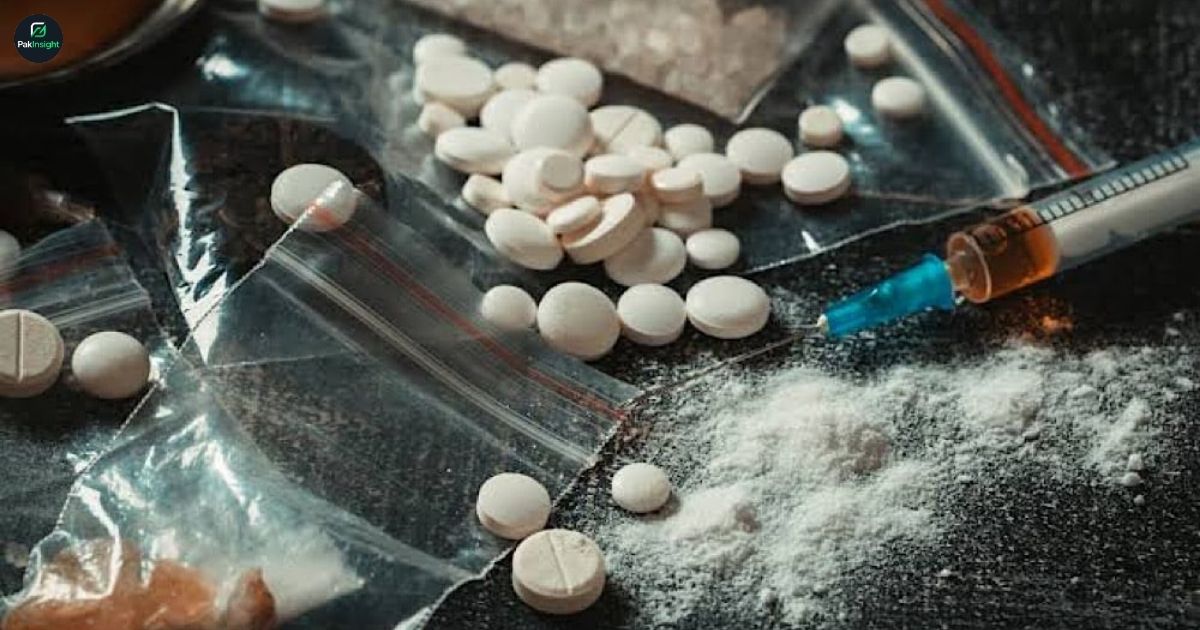
Sindh has announced a new move to introduce school drug testing in educational institutions across the province, aiming to curb rising concerns over narcotics use among students.
The decision was shared by Senior Sindh Minister Sharjeel Inam Memon, who said the government will conduct random and surprise drug tests in schools as part of a broader effort to address increasing drug abuse among young people. Officials say the step is intended to identify early signs of substance use and protect students from long-term harm.
The announcement comes amid growing concern in Pakistan over the spread of narcotics in urban and semi-urban areas. Authorities believe schools are becoming a critical point for early intervention, especially as drug access becomes easier through informal networks.
Memon highlighted that drug abuse is no longer a localized issue but a wider social challenge affecting families across the province. He stressed that the government is also expanding rehabilitation facilities while tightening preventive measures in schools.
The minister further pointed out that drug addiction can severely impact behavior, mental health, and safety. He referred to recent incidents in Karachi as examples of how substance abuse can escalate into serious social problems.
Focus on Prevention in Schools
Officials say the main objective of introducing school drug testing is prevention rather than punishment. The plan is expected to include coordination between education departments, health authorities, and school administrations to ensure testing is conducted in a structured and sensitive manner.
The government also emphasized the role of parents in monitoring children’s behavior and guiding them during early warning signs. Authorities believe awareness campaigns in schools will work alongside testing to build a stronger prevention framework.
Education experts say the policy could help identify at-risk students early, but stress counseling to prevent stigma.
The plan is still in early stages, with details on implementation and procedures expected in upcoming policy updates.