
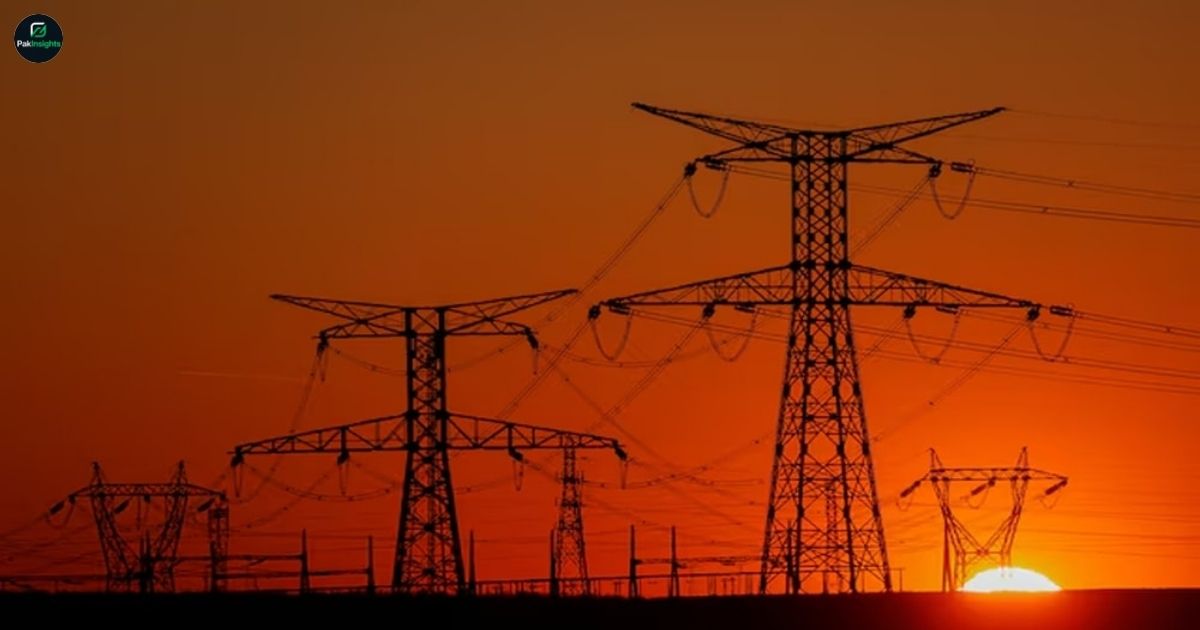
Pakistan may soon see another increase in electricity costs as the government considers a Rs1.5 per unit rise under a broader plan to manage rising energy pressures. The electricity price hike in Pakistan is being linked to global energy instability and rising generation costs.
Officials say the move is part of an effort to avoid a much sharper increase in tariffs that could have gone as high as Rs5 to Rs6 per unit. The proposed adjustment comes as the country tries to balance power supply stability with growing financial pressure in the energy sector.
The federal government has indicated that electricity prices could rise by around Rs1.5 per unit if current conditions continue. Authorities are reviewing measures to limit the use of expensive fuel sources and reduce pressure on the national grid.
At the same time, the government has introduced a temporary peak-hour load management plan of around 2.25 hours daily. Officials describe it as a “peak relief strategy” designed to reduce electricity demand during high-consumption hours.
They say this step is necessary to avoid heavy reliance on furnace oil and other costly fuels that significantly increase generation costs. Without such measures, the tariff hike could have been much higher.
Peak-hour load management to control costs
Under the plan, electricity supply will be temporarily suspended during peak hours to manage demand. Officials believe this will help reduce expensive power generation and stabilize overall pricing.
The Power Division stated that electricity generation in the country remains sufficient to meet overall demand. However, usage spikes during peak hours force the system to rely on high-cost fuel sources.
To address this challenge, authorities aim to shift consumption patterns and reduce pressure during peak times. This approach is expected to lower the risk of a larger tariff shock for consumers.
Officials confirmed that the strategy is being closely monitored under the supervision of the Prime Minister. The government has instructed departments to keep electricity prices as stable as possible despite global uncertainties.
They also highlighted that around 80 MMCFD of local gas has been supplied to power plants on the Prime Minister’s directive. This step has helped reduce generation costs and prevented an additional increase in electricity rates.
Experts say such measures can provide short-term relief, but long-term stability will require structural reforms in the energy sector. Rising fuel prices, circular debt, and import dependency continue to put pressure on Pakistan’s power system.
For consumers, however, the immediate concern remains clear: any adjustment in tariffs directly affects household budgets, industrial costs, and inflation trends across the country.
A final decision on the Rs1.5 per unit increase will be made after reviewing fuel prices and demand trends.