
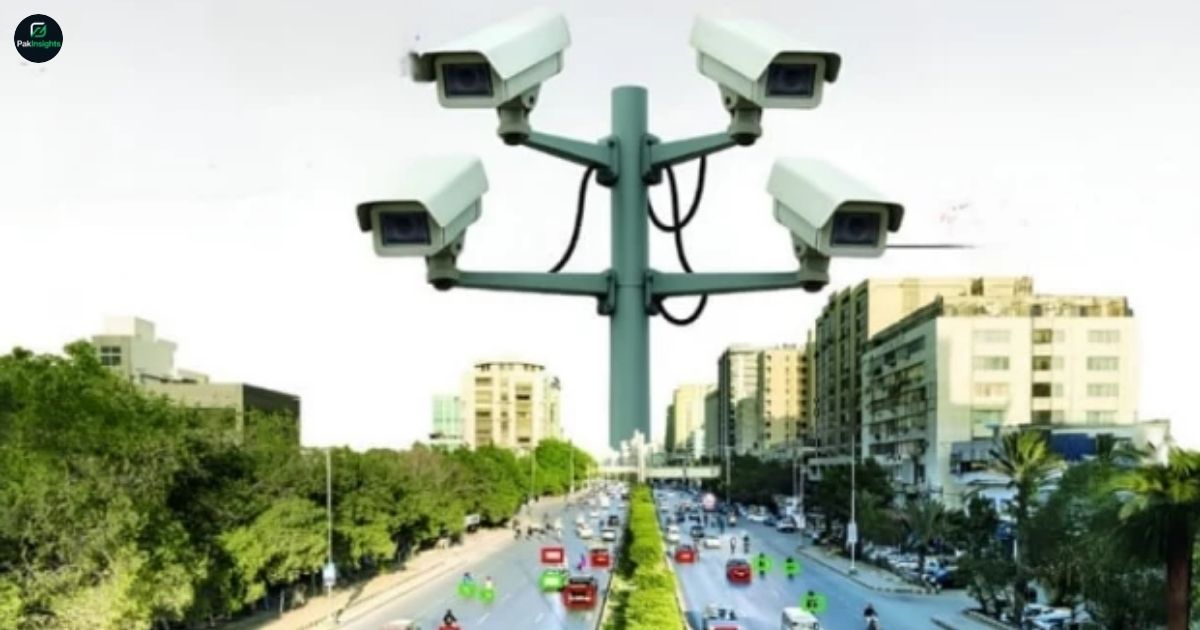
The AI E-Challan system has been officially launched in Khanewal, marking another step in Punjab’s move toward smart traffic management and automated law enforcement. Authorities confirmed that the new system is now active and will help improve road safety through advanced digital monitoring.
According to the Punjab Safe Cities Authority, the AI-based E-Challan system uses modern surveillance and artificial intelligence technology to detect traffic violations in real time. The system has already been deployed in several cities, and Khanewal is the latest addition to this growing network.
Officials said the goal of the system is to ensure strict enforcement of traffic laws while reducing human error in challan issuance. The AI-powered cameras can automatically identify violations such as speeding, lane violations, and other breaches of traffic rules without manual intervention.
AI Monitoring for Smarter Traffic Control
The AI E-Challan system in Khanewal is part of Punjab’s plan to modernize traffic management under Safe City projects. The system continuously monitors roads and captures data through smart cameras installed at key locations.
Once a violation is detected, the system generates an automated challan, which is then sent to the vehicle owner. Authorities believe this will increase compliance with traffic rules and reduce road accidents caused by reckless driving.
Officials also emphasized that the system supports law enforcement agencies by providing accurate and real-time data. This helps improve transparency and reduces disputes related to manual ticketing.
Citizens have been urged to follow traffic regulations strictly and cooperate with the new system. Authorities stressed that the initiative is focused on public safety and smoother traffic flow across the city.
With the expansion of the AI E-Challan system, Punjab is moving toward a more digital and automated traffic management system.