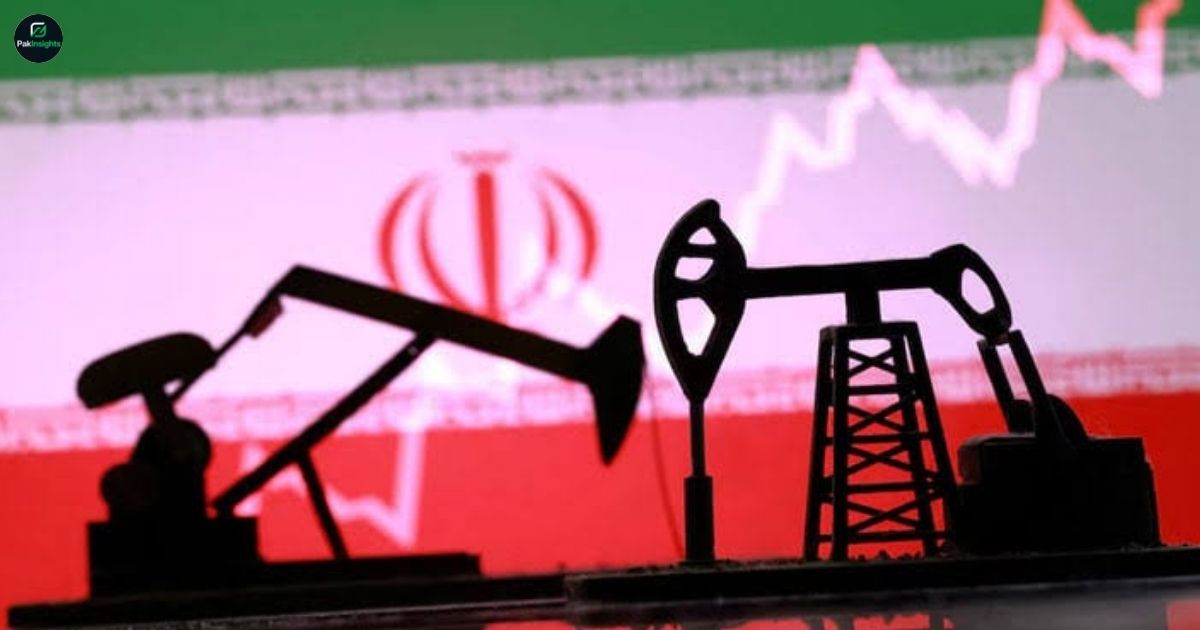
Iran’s Revolutionary Guards Warn Oil Exports Will Be Blocked While War Continues, as tensions rise across the Middle East. Officials say the warning reflects Iran’s strong military response to recent attacks. The statement highlights a potential Iran oil export blockade, which could reshape the global energy market. Experts warn that blocking oil shipments could worsen global oil market tensions and disrupt regional trade.
A spokesman for the Islamic Revolutionary Guard Corps (IRGC), Ali Mohammad Naini, confirmed the warning in Tehran. According to Tasnim News Agency, Iranian forces will not allow oil exports to reach allies of the United States and Israel. The announcement followed recent military strikes linked to the ongoing conflict. These developments have increased fears about the war’s impact on the global oil trade.
The conflict has already caused a serious Strait of Hormuz shipping crisis. This narrow waterway handles nearly 20 percent of the world’s crude oil trade. Reports suggest Iranian forces targeted several oil tankers in the Gulf region. As a result, major shipping traffic disruption has affected energy supplies worldwide.
Energy analysts say the conflict could trigger global energy market volatility. Oil prices briefly rose above $100 per barrel, the highest level since the Russia invasion of Ukraine in 2022. However, prices fluctuated after statements from United States officials about possible de-escalation. Still, many experts warn about the global crude oil supply risk if tensions continue.
The warning also reflects Iran’s broader military response to US-Israel strikes. Iranian forces launched several drone and missile strikes across the region. These attacks targeted strategic locations linked to the ongoing conflict.
In conclusion, Iran’s Revolutionary Guards Warn Oil Exports Will Be Blocked While War Continues, signaling major risks for global energy markets. Continued conflict could deepen the Middle East oil supply disruption and affect international oil prices.