
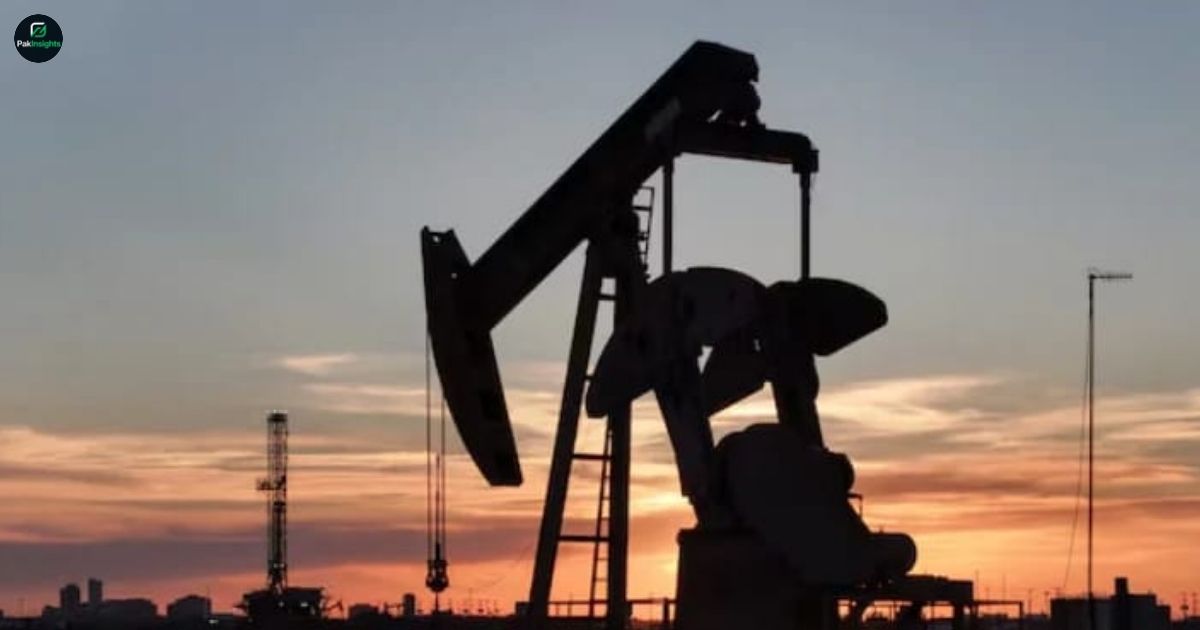
Oil Breakout: Price Jumps 13%, Surpasses $80 Amid Middle East War Supply Fears shocked global markets on Monday as crude prices surged in Asia. The oil breakout reflects Middle East war-linked supply disruption, with Brent crude climbing above $82 per barrel and West Texas Intermediate (WTI) nearing $70. Analysts warned that ongoing regional turmoil could keep oil futures volatile.
The spike comes after US and Israeli military strikes on Iran, triggering fears of maritime transport disruption through the Strait of Hormuz. About 20% of global oil passes this key waterway, so any blockade could result in a massive barrel per day (bpd) supply loss. Shipping costs have already increased, and insurers warn that transit risks will remain high if the conflict continues.
Experts from Kpler and Rystad Energy, including Amena Bakr and Jorge Leon, noted that oil-importing countries may face rising energy price inflation. Alternative oil routes exist, but capacity is limited. Michelle Brouhard highlighted that crude supply blockade risks make Brent and WTI futures highly sensitive to regional developments. Strategic reserves could mitigate short-term shortages, but hydrocarbon prices may remain elevated for months.
The Gulf region’s liquefied natural gas (LNG) exports, particularly from Qatar, also face pressure, potentially increasing inflationary risks worldwide. Eric Dor, an economist at IESEG School of Management, said that prolonged petroleum market instability could slow global growth.
In conclusion, the oil breakout and Middle East war-linked supply fears demonstrate how geopolitical tensions directly affect global energy security. Investors, policymakers, and consumers should monitor the Strait of Hormuz and OPEC+ production closely to understand evolving price dynamics