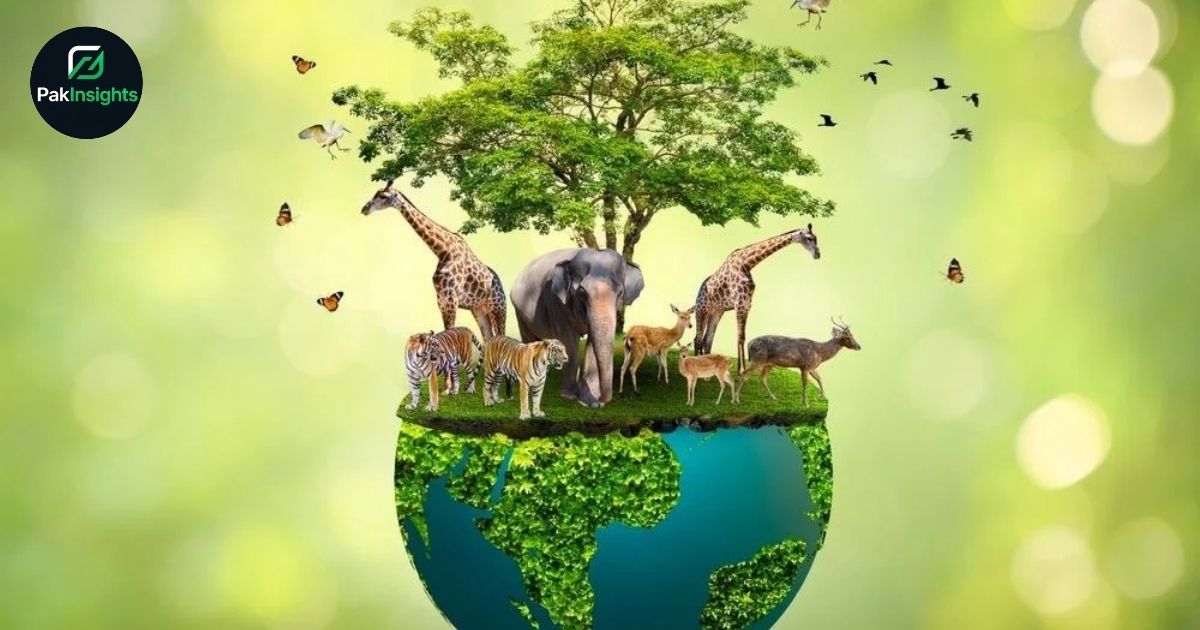
Wildlife conservation is not just about saving animals. It is about keeping our ecosystems healthy and balanced. In the United States, protecting species and their habitats is vital for biodiversity preservation. Without wildlife protection, ecosystem restoration becomes impossible, and humans lose many benefits that nature provides. National parks and nature reserves play a huge role in keeping endangered species safe. Every species has a role, from small insects to large predators, and losing even one can cause a ripple effect.
Climate change impact and human activity put immense pressure on forests, tropical forests, and marine life. Habitat fragmentation and overexploitation of species increase the risk of species extinction. Protecting wildlife is not optional—it is a responsibility. Conservation programs, government regulations, and NGOs work together to maintain ecological balance. Without wildlife monitoring and species recovery efforts, many animals would vanish silently.
Importance of Wildlife Conservation for Ecosystems and Humans
Wildlife conservation is critical for both nature and humans. Species maintain the ecological balance by controlling populations, pollinating plants, and cycling nutrients. Habitats like wetlands, forests, and oceans provide food, clean water, and air. Humans depend on these ecosystems every day, often without realizing it. Protecting endangered species ensures that biodiversity thrives, which in turn supports agriculture, medicine, and tourism.
Healthy wildlife populations also help prevent zoonotic disease outbreaks. When habitats shrink, species move closer to humans, increasing disease risks. Efforts in habitat protection and environmental sustainability can reduce these threats. Conservation treaties (CITES, CBD) and local regulations help protect endangered species in the US. This shows that saving wildlife is not just about animals; it is about saving humanity’s future too.
Major Threats to Wildlife and Their Habitats
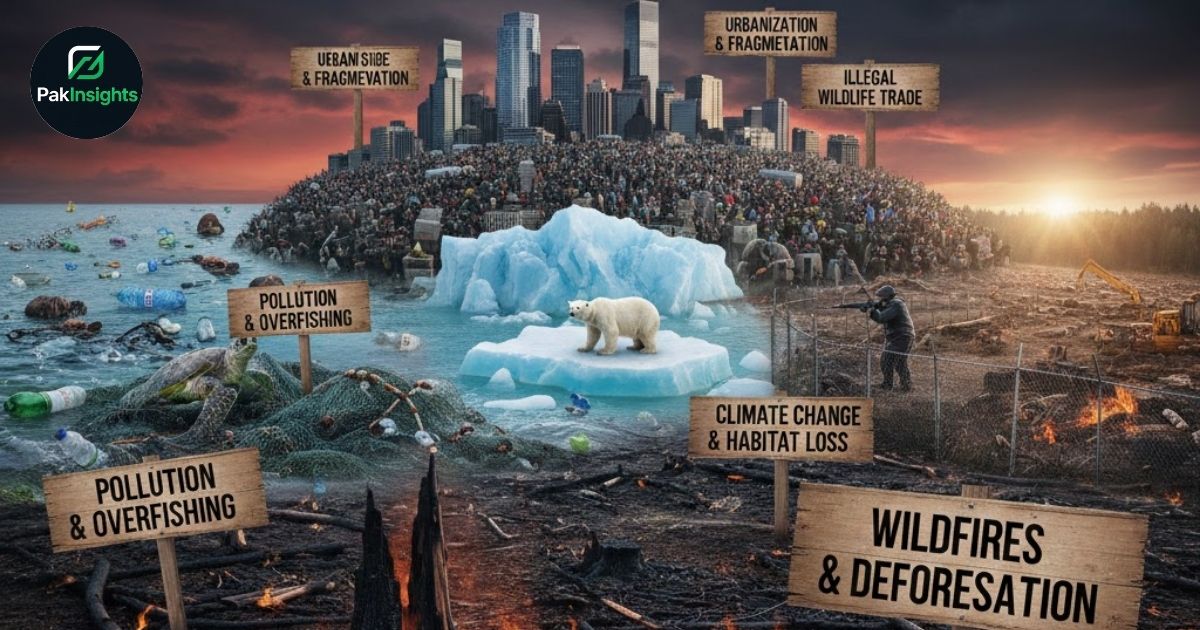
Wildlife faces many threats from human activity. Deforestation destroys tropical forests and habitats. Pollution from chemicals, plastics, and heavy metals harms marine life and land species. Climate change alters rainfall, increases wildfires, and melts ice sheets, creating new human-induced threats. Poaching and illegal wildlife trade push endangered species closer to extinction.
Overexploitation of species is another major issue. Fish, mammals, and plants are taken faster than they can reproduce. Habitat fragmentation splits populations into smaller, isolated groups, reducing genetic diversity. Small populations are more vulnerable to disease, starvation, and disasters. Protecting habitats and enforcing conservation methods are essential to stop these threats before it’s too late.
Successful Wildlife Conservation Programs Worldwide
Around the world, many conservation programs have saved species from extinction. In India, tiger populations are recovering through national parks and wildlife monitoring. In China, forest conservation and species recovery programs saved the giant panda. Marine conservation efforts protect coral reefs and endangered whales. The US also has success stories: the Florida panther and California condor populations have increased thanks to protected areas and NGOs.
International conservation treaties (CITES, CBD) help control illegal wildlife trade. Governments and NGOs work together to fund species recovery programs. Even small nature reserves make a difference by safeguarding habitats. Lessons from these programs show that strong policies, wildlife protection, and public awareness are key to long-term success.
Role of Governments, NGOs, and Local Communities
Governments play a vital role in wildlife conservation. In the US, the Endangered Species Act protects threatened species. Funding from federal programs supports protected areas, habitat protection, and conservation methods. NGOs like the World Wildlife Fund, Nature Conservancy, and Conservation International implement projects to prevent poaching, restore forests, and maintain genetic diversity.
Local communities also contribute by volunteering, reporting illegal activities, and creating small nature reserves. Schools and citizen science programs encourage wildlife monitoring and awareness. When governments, NGOs, and communities work together, ecosystem restoration becomes possible, and biodiversity preservation thrives. Collaboration ensures that species recovery is both effective and sustainable.
How Individuals Can Contribute to Wildlife Conservation
Every person can help with wildlife protection. Simple steps include reducing plastic, planting native trees, and avoiding products linked to illegal wildlife trade. People can support NGOs, participate in local conservation programs, and volunteer in national parks. Even small actions contribute to habitat protection and ecosystem restoration.
Education is key. Learning about endangered species, marine life, and forests inspires action. Individuals can also engage in wildlife monitoring and citizen science projects. Vaccinations for wildlife in certain areas prevent zoonotic disease outbreaks. By taking responsibility, everyone helps ensure conservation methods succeed and protects wildlife for future generations.
Table: Examples of Wildlife Conservation Success in the USA
| Species | Conservation Method | Result |
|---|---|---|
| Florida Panther | Habitat protection, genetic diversity restoration | Population tripled |
| California Condor | Captive breeding, protected areas | Population increased from 22 to 500+ |
| Bald Eagle | Hunting ban, protected areas | Fully recovered from near extinction |
| Gray Wolf | Reintroduction programs | The population increased from 22 to 500+ |
Wildlife conservation is essential for a sustainable future. Protecting species, habitats, and ecosystems ensures that humans, animals, and nature all thrive. By understanding threats, supporting conservation programs, and acting individually, everyone can contribute to preserving biodiversity and ecological balance for generations to come.
Frequently Asked Questions
Q1: What is wildlife conservation?
Wildlife conservation is the practice of protecting species and their habitats to maintain biodiversity and ecosystem balance.
Q2: Why is wildlife conservation important for humans?
It ensures clean air, water, and food security and reduces risks of zoonotic diseases, while supporting ecological balance.
Q3: What are the main threats to wildlife?
Deforestation, pollution, poaching, illegal wildlife trade, climate change, and habitat fragmentation are the biggest threats.
Q4: How can individuals contribute to wildlife conservation?
People can support NGOs, create wildlife-friendly habitats, reduce pollution, and participate in conservation programs.
Q5: What role do governments play in wildlife conservation?
Governments enforce laws, fund protected areas, and implement conservation methods to safeguard endangered species.
Meta Description
Learn how wildlife conservation protects species, habitats, and ecosystems for a sustainable future in the USA and beyond.