
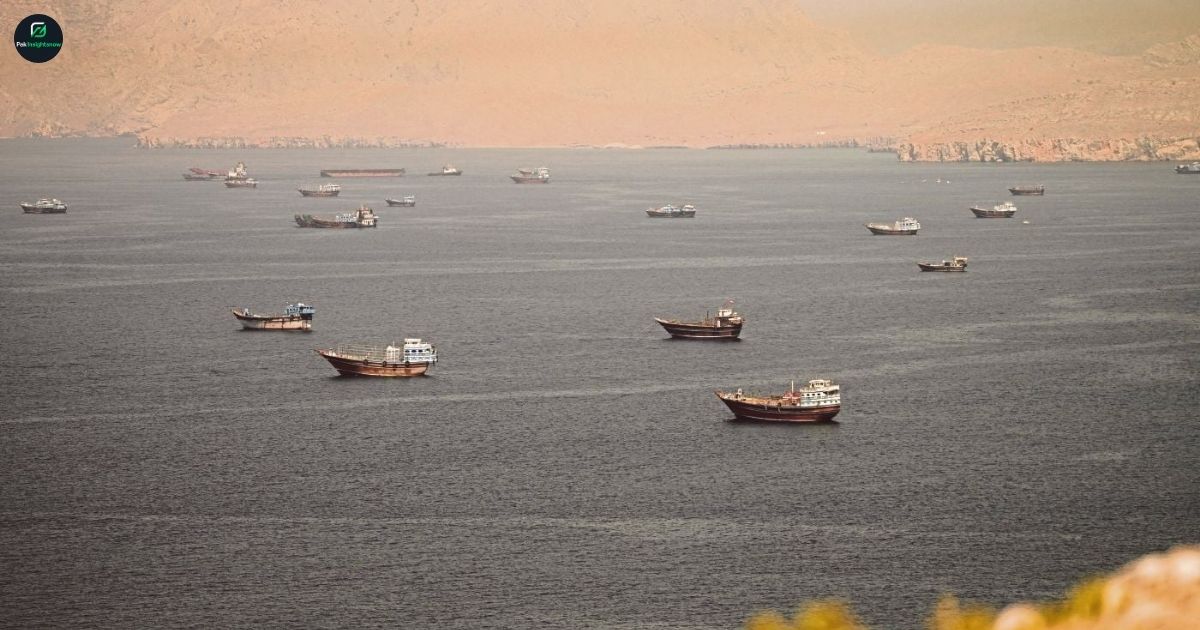
Strait of Hormuz Shipping is showing a strong rebound after a recent Iran–US agreement to pause hostilities and reopen the key maritime route. Shipping trackers report a sharp rise in vessel movement, signaling early relief for global trade routes.
Maritime data shows that traffic through the Strait of Hormuz reached its highest level in two months this week. The increase comes after months of disruption caused by conflict in the region, which had severely affected global oil and cargo flows. Analysts say the recovery is still fragile, but the latest numbers point to improving conditions for commercial shipping.
Shipping traffic rises after Iran–US agreement
According to maritime tracking firms, around 25 commercial vessels crossed the Strait of Hormuz in a single day this week. This is the highest daily figure recorded since mid-April.
The increase follows an agreement between Iran and the United States to reopen the strait as part of efforts to end recent conflict. The route had been heavily disrupted after military tensions escalated earlier in the year, forcing many shipping companies to reroute vessels or delay operations.
Before the conflict, nearly 120 ships passed through the strait daily. That number dropped sharply during the war, with averages falling to fewer than 10 crossings per day in early March.
The Strait of Hormuz Shipping route is critical for global energy trade. About one-fifth of the world’s oil and liquefied natural gas passes through this narrow waterway. Any disruption here quickly impacts global fuel prices and supply chains.
Shipping experts say the recent jump in traffic reflects cautious optimism among global operators. However, many companies are still waiting for clearer security guarantees before fully restoring normal routes.
Security concerns and navigation risks continue
Despite the rebound in movement, concerns over safety in the Strait of Hormuz remain high. Reports indicate that maritime navigation systems faced serious disruptions during recent tensions.
Tracking firms noted large-scale AIS signal interference in the region. Some vessels reportedly turned off or manipulated tracking signals to avoid detection. This has raised concerns about transparency and safe navigation in one of the world’s most sensitive maritime corridors.
International shipping groups are also warning that the situation is not yet stable. While diplomatic efforts continue, shipping firms are still cautious about fully committing to the route.
Industry officials believe an international coordination mechanism may be needed to manage safe passage through the strait. Discussions are ongoing among global maritime authorities to improve security protocols.
The conflict had earlier trapped hundreds of vessels in the Gulf region, affecting thousands of seafarers. Some reports estimate that over 500 ships and more than 10,000 crew members were impacted during the peak of the crisis.
Oil markets have already reacted to the reopening of the route. Prices showed early signs of easing as supply fears reduced. Analysts suggest that continued stability in the Strait of Hormuz Shipping route could further support global energy markets.
However, experts caution that the situation remains sensitive. Any renewed escalation in regional tensions could quickly disrupt traffic again and impact global trade flows.
For now, the gradual return of vessels marks a positive step. But full normalization of shipping activity will depend on sustained peace and stronger maritime security assurances in the coming weeks.