
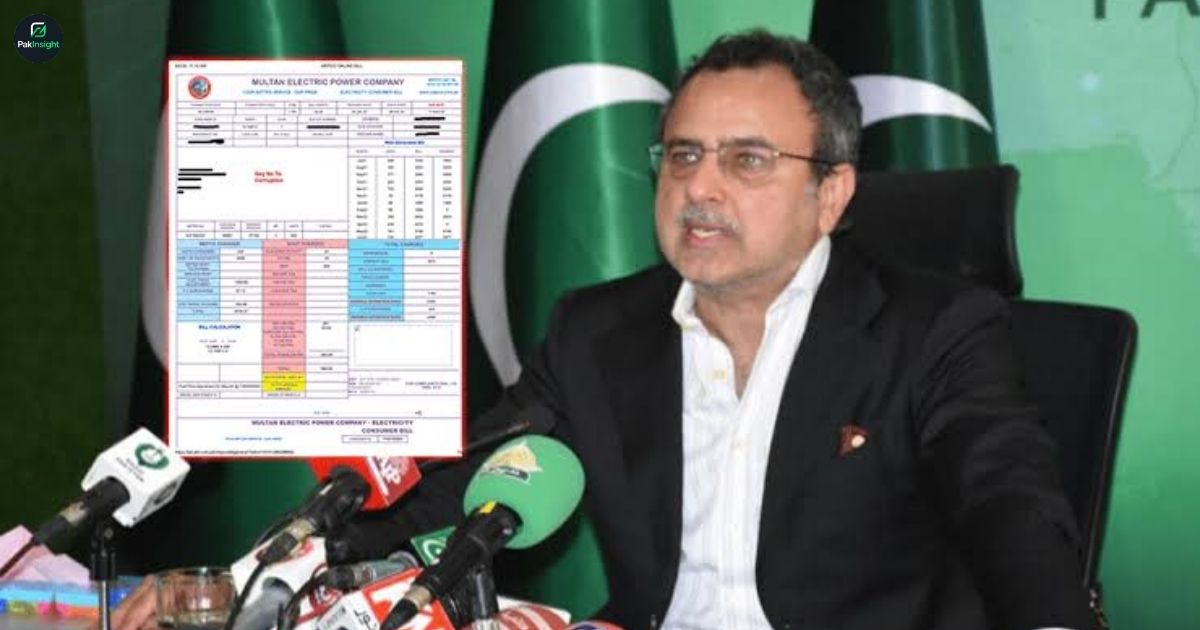
Pakistan’s government has announced major energy sector reforms aimed at reducing electricity costs and improving power distribution across the country. The latest cheap electricity Pakistan plan was shared by Federal Energy Minister Awais Leghari during a conference in Lahore.
The minister said electricity prices could become low enough in the future for consumers to store daytime power in batteries and use it during nighttime hours.
According to the government, the reforms focus on lowering long-term energy costs, modernizing infrastructure, and reducing dependence on older power agreements.
Awais Leghari stated that the government is stepping away from the traditional Independent Power Producer (IPP) model. He added that authorities have stopped plans related to adding another 10,000 megawatts through such arrangements.
The minister also highlighted upcoming changes in electricity pricing for industries and the agriculture sector. Under the proposed structure, some daytime electricity rates may fall to around Rs6 to Rs7 per unit during off-peak hours.
Officials believe the lower rates could encourage businesses and farmers to shift more operations to daytime hours, reducing pressure on the national grid during peak periods.
The government is also planning reforms in billing and metering systems. Authorities aim to remove faulty electricity meters more quickly to prevent incorrect billing and financial losses for consumers.
Leghari said the government is introducing smart metering technology and encouraging private companies to bring modern energy solutions into the market.
Another key part of the plan includes the privatization of electricity distribution companies over the next one to two years. Officials expect the move to improve operational efficiency and reduce financial losses in the power sector.
The announcement comes as Pakistan faces rising energy demand, circular debt, and pressure to make electricity more affordable.
Energy experts say these reforms will succeed only with proper implementation, investment, and stable fuel and power costs.