
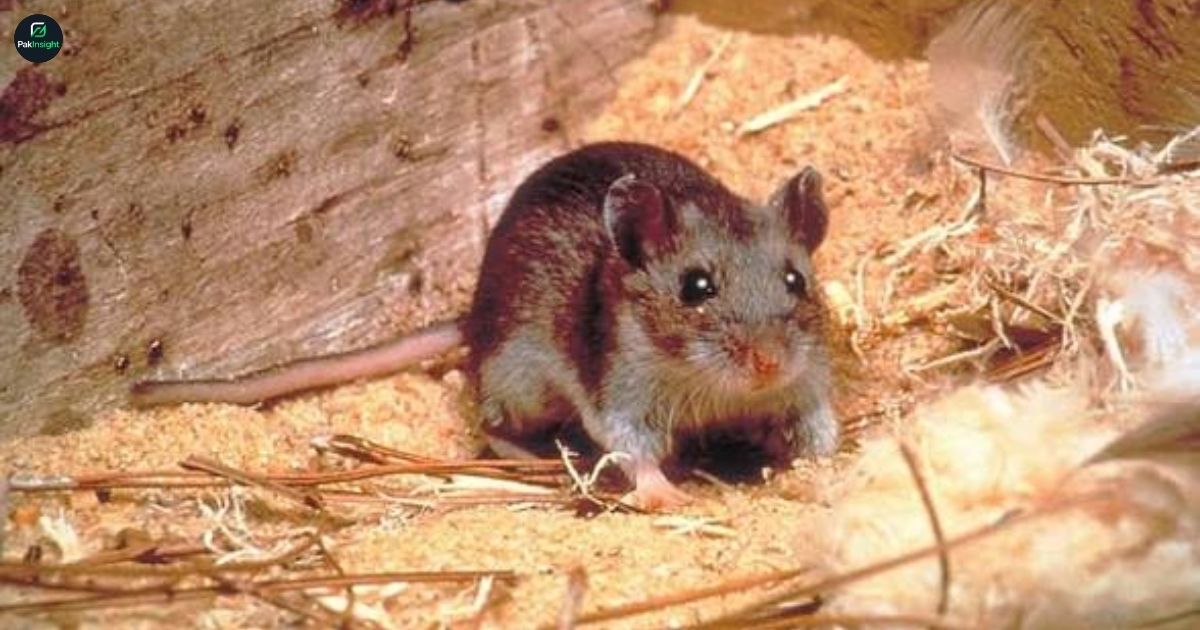
Public health concerns over Hantavirus outbreak fears have triggered renewed calls for large-scale anti-rat campaigns in urban areas across Pakistan, as experts warn that rising rodent populations could increase the risk of zoonotic disease transmission.
Health professionals say the demand for preventive action has intensified following global reports of hantavirus cases linked to rodent infestation. Although no confirmed widespread outbreak has been reported in Pakistan, experts caution that crowded cities with poor sanitation may be vulnerable if preventive measures are delayed.
Medical specialists emphasize that hantavirus spreads mainly through contact with infected rodents or their droppings. Early symptoms can resemble flu, but severe cases may lead to respiratory complications and kidney-related issues. This has raised concern among public health observers, particularly in densely populated neighborhoods.
Environmental health experts are urging authorities to restart systematic rodent control programs. They argue that irregular waste management, open garbage dumps, and stagnant drainage systems create ideal breeding conditions for rats. Without intervention, they warn, the risk of disease transmission could increase.
Local health officials have also advised the public to take basic precautions. These include proper food storage, maintaining household cleanliness, and avoiding contact with wild rodents. They further stress the importance of improving sanitation infrastructure to reduce long-term risks.
In recent years, several countries have reported isolated hantavirus cases, often linked to rural exposure or urban rodent infestations. While the disease remains relatively rare, its high fatality rate in severe cases makes it a serious public health concern.
Authorities are now facing growing pressure to launch coordinated anti-rat drives in high-risk urban zones. Experts believe that timely action, combined with public awareness campaigns, could significantly reduce potential threats.
As Hantavirus outbreak fears continue to draw attention, health professionals insist that prevention remains the most effective defense against the virus.