
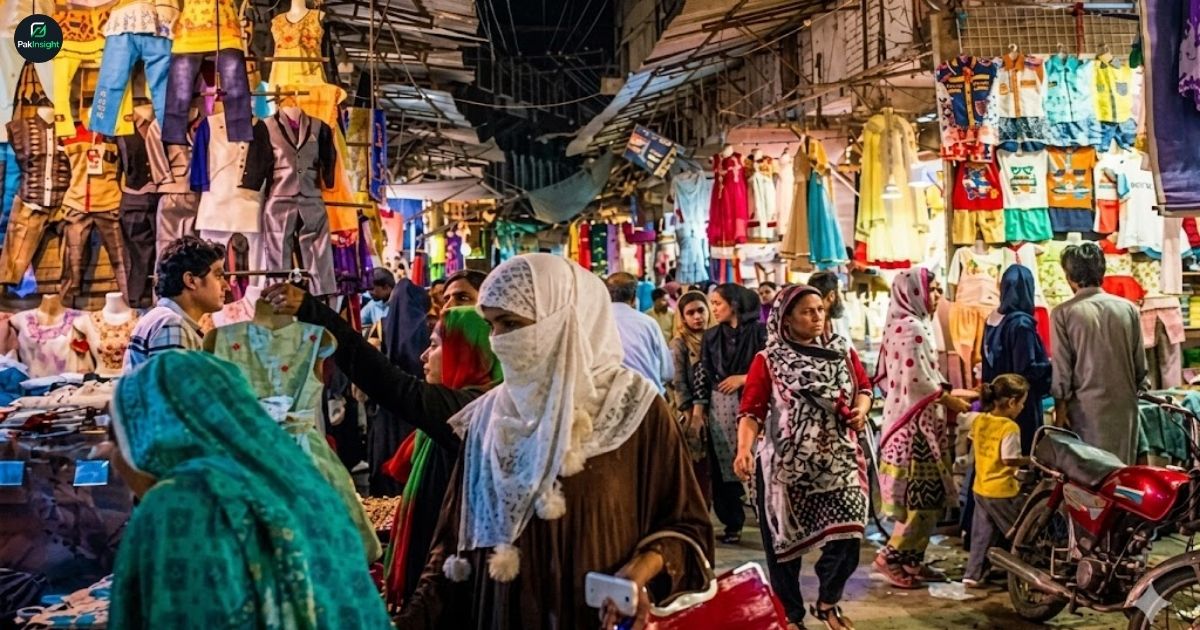
The Punjab government has relaxed restrictions on Punjab business timings, giving temporary relief to shops, markets, restaurants, and shopping malls across the province. The decision will remain effective until June 1, 2026, according to an official notification issued by the Services and General Administration Department (S&GAD).
The move comes weeks after the provincial government introduced strict early closing rules under energy-saving and austerity measures. Under those earlier instructions, markets and shopping centers had to close at 8 pm, while restaurants and food outlets were directed to shut operations by 10 pm.
Officials have now suspended those mandatory timings for selected businesses. The latest order allows commercial activity to continue beyond the previously fixed hours.
Business owners and traders welcomed the decision, saying earlier restrictions reduced evening customer flow and sales. Restaurant operators had also raised concerns over declining dine-in activity, especially in major cities including Lahore, Rawalpindi, and Faisalabad.
The provincial administration said pharmacies, hospitals, petrol pumps, bakeries, milk shops, tandoors, and CNG stations were exempt from restrictions. Those exemptions will continue under the updated policy.
The government introduced the early closure plan in April to cut electricity use and control rising energy costs. However, traders’ associations repeatedly requested more flexible timings, arguing that many businesses rely heavily on nighttime customers.
Market representatives believe the temporary relaxation could help improve commercial activity ahead of the summer season. Many shopping centers and food businesses see higher customer traffic in the evening due to hot weather in Punjab.
Officials have not yet confirmed whether the relaxed policy will continue after June 1. The government may review the situation again based on energy demand and economic conditions in the province.
The decision is expected to give short-term relief to businesses and consumers, especially in urban areas with late-night commercial activity.