
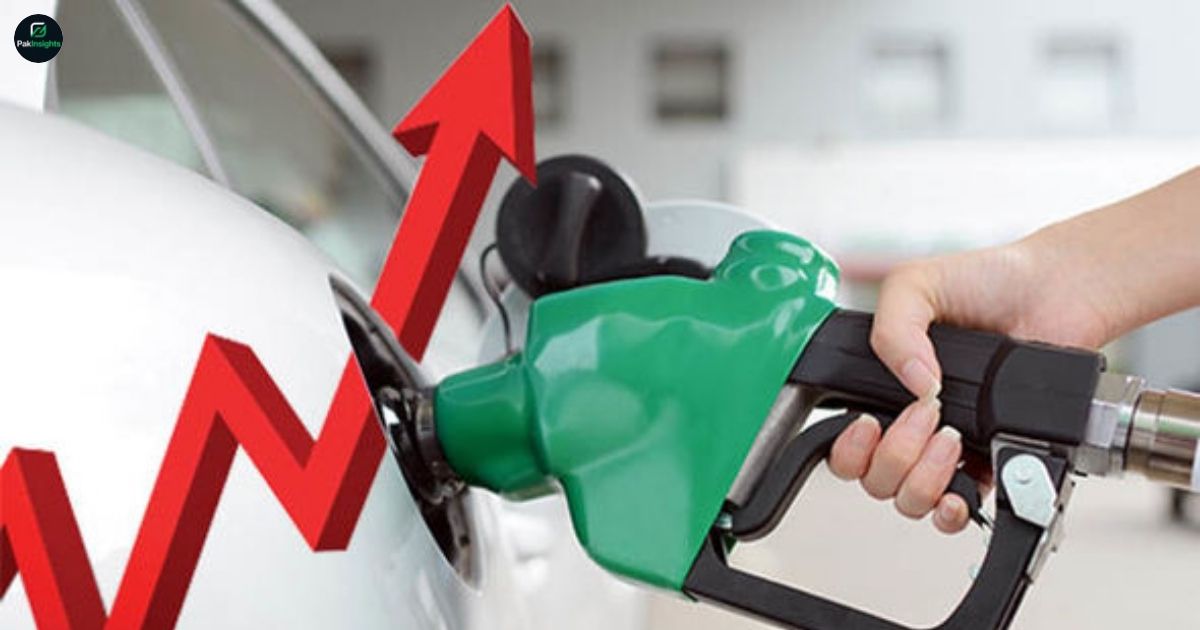
The Pakistan petrol price has seen another sharp increase as the government has officially raised fuel rates across the country, putting fresh pressure on households and transport costs. According to a notification issued by the Petroleum Division, both petrol and high-speed diesel prices have been increased due to continued volatility in global oil markets.
The new revision comes into effect from midnight and will remain applicable for the coming week.
New fuel prices announced across the country
Under the latest update, the price of petrol has been increased by Rs26.77 per litre. With this revision, the new petrol rate has reached Rs393.35 per litre. High-speed diesel has also gone up by the same margin of Rs26.77 per litre, bringing its new price to Rs380.19 per litre.
Officials say the adjustment reflects ongoing pressure in international crude oil markets. Global oil prices have remained unstable due to regional tensions and supply concerns, which continue to influence domestic fuel pricing in Pakistan.
The government notification confirms that the revised rates apply nationwide and will directly impact transport fares, goods movement, and daily commuting costs.
Government response and economic pressure
The Petroleum Minister stated that rising global oil prices have forced the government to make difficult decisions. He said regional instability has pushed up global crude prices, affecting local fuel rates.
He further noted that the government has tried to reduce the burden on consumers as much as possible. However, existing agreements with international partners and global market conditions have limited flexibility in absorbing the full impact.
The minister said federal and provincial governments had already given relief packages to reduce inflation. Still, the latest increase in the Pakistan petrol price highlights ongoing challenges in stabilizing fuel costs.
Impact on everyday life
The new fuel price hike is expected to affect almost every sector of the economy. Transport fares are likely to increase in the coming days as fuel costs rise. Similarly, prices of essential goods may also see upward pressure due to higher logistics and delivery charges.
For daily commuters, the latest revision means higher travel expenses, especially for those relying on motorcycles, rickshaws, and private vehicles. Small businesses and delivery services are also expected to feel the impact immediately.
Economic analysts say continued fuel price hikes may increase inflation in the coming weeks, especially in the food and transport sectors.