The Pakistan-Iran talks entered a new phase on Wednesday as senior officials from both countries concluded the first round of high-level discussions in Tehran, marking a significant step in ongoing diplomatic engagement aimed at regional stability.
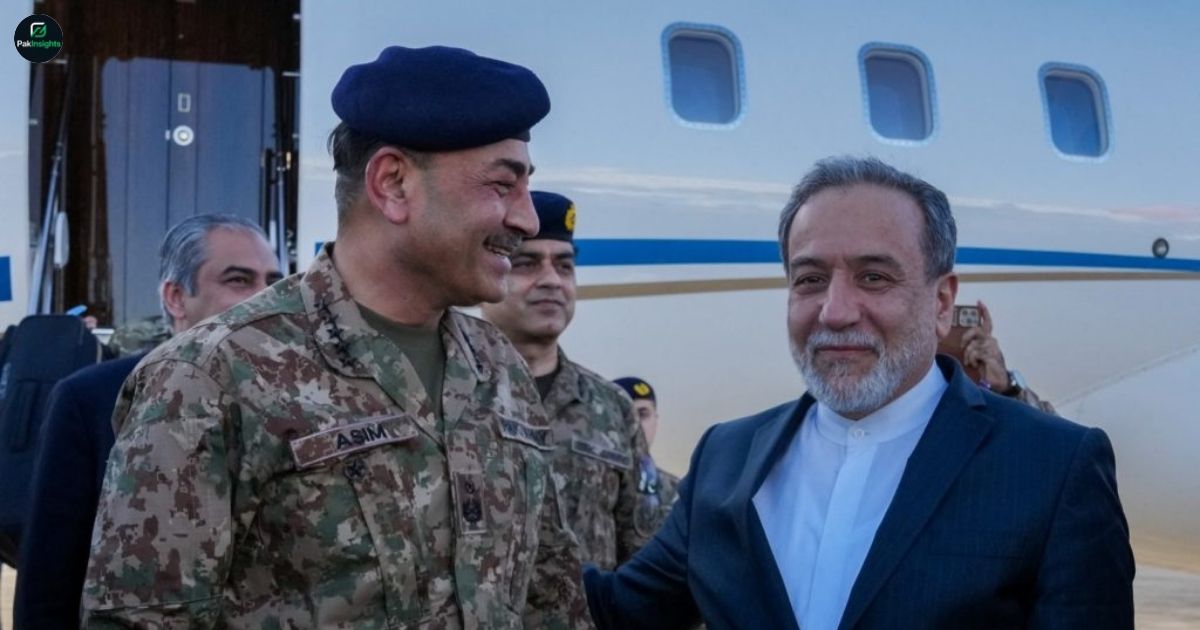
A Pakistani delegation led by Field Marshal Asim Munir met Iranian Foreign Minister Abbas Araghchi during the initial phase of talks. Officials confirmed that the first round concluded successfully, while a more detailed session is expected to continue today.
The meetings are part of broader diplomatic efforts involving sensitive regional issues, including Iran’s nuclear programme and ongoing communication channels between Tehran and Washington.
Diplomatic engagement at a critical time
According to diplomatic sources, the discussions took place at a time of heightened regional uncertainty. Both sides emphasized the importance of continued dialogue to prevent escalation and maintain regional stability.
Pakistan has positioned itself as a facilitator in backchannel communication efforts between Iran and the United States. Officials say Islamabad has played a role in transmitting messages between the two sides following recent unsuccessful negotiations.
Iran’s Foreign Ministry has also acknowledged that indirect communication through Pakistan has continued in recent days, highlighting Islamabad’s emerging diplomatic role in regional mediation efforts.
High-level Pakistani delegation in Tehran
The Pakistani delegation included senior officials such as Interior Minister Mohsin Naqvi, along with other key representatives. The group arrived in Tehran on Wednesday and was formally received by Iranian authorities.
The visit reflects Pakistan’s ongoing engagement with Iran at a strategic level, especially as both countries navigate complex regional dynamics involving security, energy cooperation, and border stability.
Sources indicate that discussions covered multiple areas of mutual interest, although nuclear-related dialogue has drawn the most international attention due to its broader geopolitical implications.
Focus on communication and regional stability
Iranian officials described the talks as constructive, stressing that diplomatic channels remain open despite external pressures. The discussions also follow a series of indirect exchanges between Iran and the United States, which have yet to produce a breakthrough.
Reports suggest that previous rounds of negotiations involving US and Iranian representatives did not lead to a formal agreement. However, diplomatic engagement continues through intermediaries, with Pakistan playing a supporting role.
Officials familiar with the matter say the current dialogue aims to reduce tensions and build trust between the involved parties. While no major agreement has been announced yet, both sides have agreed to continue discussions.
Pakistan’s growing diplomatic role
Analysts view Pakistan’s involvement as part of a broader effort to maintain balanced relations in the region. By facilitating communication between Iran and other international stakeholders, Islamabad is positioning itself as a potential bridge in sensitive diplomatic matters.
This role has drawn attention due to changing geopolitics and ongoing security concerns in the Middle East and South Asia.
Experts note that sustained engagement could help reduce misunderstandings and support long-term stability if continued effectively. However, they also caution that progress will depend on the willingness of all parties to compromise.