
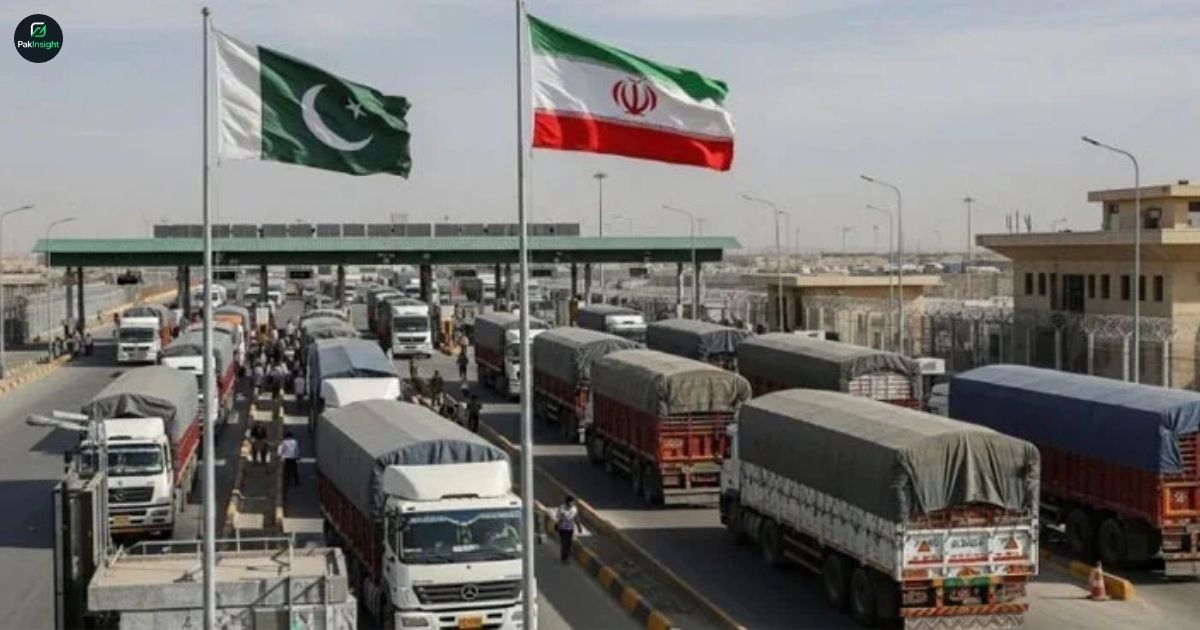
Pakistan has taken a major step to strengthen regional connectivity by enforcing the Pakistan transit order, allowing cargo to pass through the country to Iran and beyond. The move is expected to improve trade flow, enhance logistics capacity, and position Pakistan as a key transit hub in the region.
The new framework, introduced by the Ministry of Commerce, sets clear rules for the movement of goods originating from third countries. These shipments can now travel through Pakistan using designated routes, provided they meet regulatory requirements.
Officials say the policy brings modern procedures to cross-border trade. It also ensures better monitoring through strict customs controls and financial guarantees for all transit cargo.
Key routes and Gwadar’s growing role
Under the new system, specific corridors have been assigned for transit operations. These include routes through Gwadar, Karachi, and Taftan. Authorities will use these pathways exclusively for cargo moving across borders.
Gwadar Port has been given a central role in this initiative. Its approval for commercial transit operations marks a significant shift in Pakistan’s logistics strategy. Experts believe this will increase port activity and attract more international trade.
Karachi remains a vital entry point, while Taftan serves as a key land route connecting Pakistan with Iran. Together, these routes form a network designed to speed up cargo movement and reduce delays.
Economic impact and regional significance
The Pakistan Transit Order will boost revenue by increasing trade volume and improving efficiency. It may also create new business opportunities in transport, warehousing, and port services.
For Pakistan, the policy strengthens its position as a bridge between South Asia, the Middle East, and Central Asia. It also supports long-term goals of expanding regional trade partnerships.
Analysts say smoother transit procedures could lower costs for traders and encourage more countries to use Pakistan as a transit corridor. This would further integrate the country into global supply chains.
Officials have stressed that all operations will remain under strict oversight by customs authorities. This aims to prevent misuse while ensuring smooth and transparent trade activity.
The development reflects Pakistan’s broader effort to modernize its trade systems and increase its role in regional commerce.