Home / Pakistan / Car Prices in Pakistan May Drop as Govt Plans Tariff Cuts

Car Prices in Pakistan May Drop as Govt Plans Tariff Cuts

Car Prices in Pakistan May Drop as Govt Plans Tariff Cuts

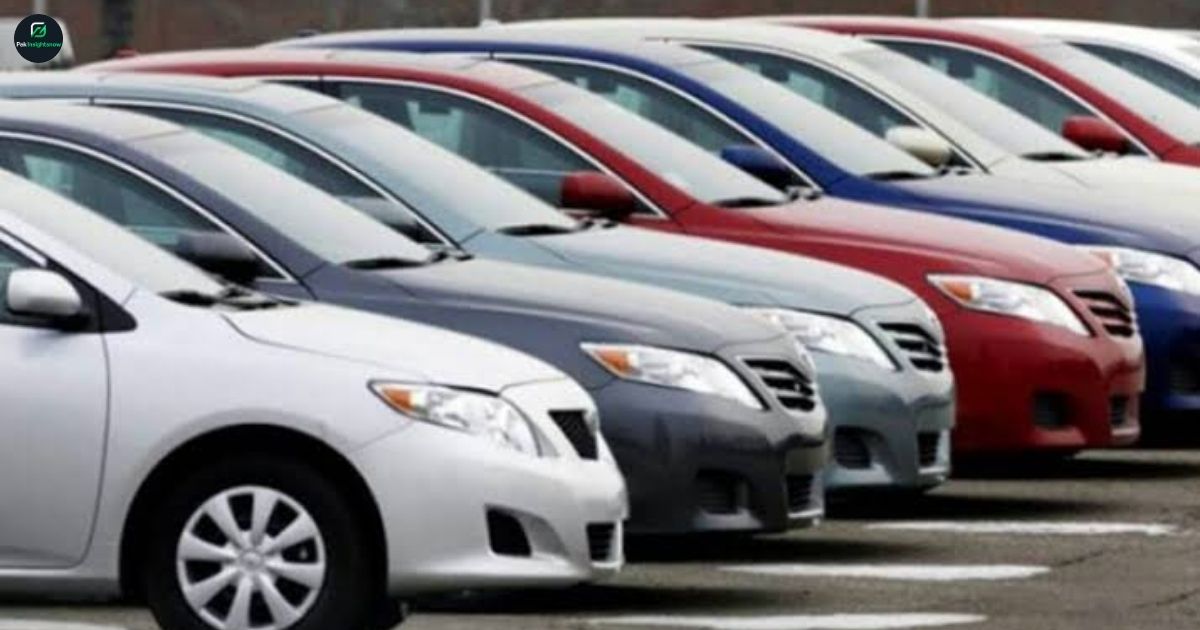
Pakistan car prices could see a significant decline if the government moves ahead with planned tariff reductions under a new auto sector reform policy. Officials say the proposal may ease import duties and reshape the country’s auto market.

The federal government is working on revising tariffs in line with the National Tariff Policy (NTP). If fully implemented, the plan could reduce customs duties on cars, jeeps, and auto parts by 25 to 50 percent. This may bring overall tariff levels down from nearly 156 percent to around 74 percent.

Such a major change could directly impact Pakistan’s car prices, making vehicles more affordable for consumers who have faced record-high costs in recent years.

Government Tariff Reform Plan

Commerce officials told a parliamentary committee that the tariff restructuring is part of a broader economic reform agenda. The plan includes cuts across thousands of tariff lines over time.

Authorities say the goal is to create a more competitive auto market while encouraging efficiency in local manufacturing. Lower import duties may also open the market to more foreign vehicles, increasing consumer choice.

However, the government has not yet finalized the policy. Officials confirmed that the roadmap remains under review due to internal disagreements and concerns raised by the International Monetary Fund (IMF).

Possible Impact on Pakistan Car Prices

If approved, the reforms could ease pressure on buyers who currently face extremely high vehicle costs. Industry experts expect that reduced duties may gradually lower showroom prices, especially for imported and locally assembled vehicles that rely on foreign parts.

Consumers in Pakistan have long complained about expensive cars, limited options, and rising production costs. A tariff cut could help stabilize the market and improve affordability.

However, analysts also caution that price drops may not happen immediately. Automakers may adjust slowly depending on currency rates, supply chains, and demand conditions.

Concerns from the Local Auto Industry

The proposed tariff cuts have raised concerns among local car assemblers. Industry players fear stronger competition from imported vehicles if duties fall sharply.

They argue that sudden reductions could impact domestic production and jobs in the auto sector. On the other hand, policymakers believe competition may push local manufacturers to improve quality and pricing.

The plan also carries fiscal implications. According to officials, the second phase of tariff adjustments could reduce government revenue by an estimated Rs. 143.4 billion.

Policy Timeline and Next Steps

The current auto policy is set to expire on June 30. This creates urgency for the government to finalize decisions on tariff reforms before budget and legislative deadlines.

Officials say the government is trying to balance consumer relief, industry stability, and revenue needs. The final decision will likely shape the future of Pakistan’s automotive sector for years.

For now, expectations remain high that reforms could bring meaningful relief in Pakistan’s car prices, but the outcome depends on policy approval and implementation speed.

Leave a Reply

Your email address will not be published. Required fields are marked *