
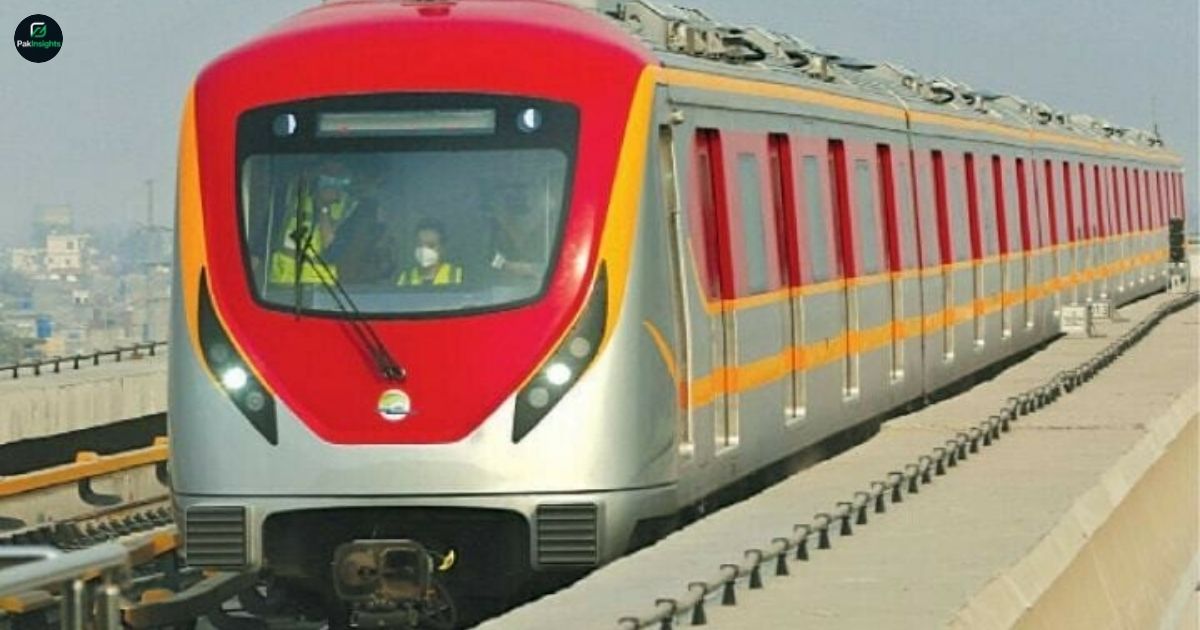
The proposed Lahore Rawalpindi fast train project has sparked nationwide attention after official discussions highlighted a plan to cut travel time between Lahore and Rawalpindi to just 2 hours and 15 minutes. If implemented as planned, the service could become one of the fastest rail links in Pakistan’s history.
The initiative comes as part of a broader effort to modernize Pakistan Railways and introduce high-speed and efficient regional connectivity across Punjab. Officials say the project is designed to reduce travel delays, improve passenger comfort, and shift road traffic toward rail transport.
Major Upgrade in Pakistan’s Rail Network
According to the proposed plan, the Lahore–Rawalpindi corridor will be upgraded into a high-speed route covering roughly 280 kilometers. The target journey time of 2.25 hours would significantly reduce current travel durations, which often take four to five hours by road depending on traffic conditions.
Authorities have linked the development to a wider modernization strategy that includes new trains, upgraded railway tracks, and improved station facilities. The project also includes safety enhancements such as automated crossing systems aimed at reducing accidents on busy rail intersections.
Officials involved in the discussions have described the plan as a major step toward improving intercity travel efficiency. They believe faster rail service could ease pressure on highways and provide a more reliable transport option for daily commuters and long-distance travelers.
Expansion Beyond the Main Route
The Lahore–Rawalpindi fast train is not the only focus of the plan. Authorities have also outlined multiple regional routes across Punjab to improve local connectivity. These routes include connections between smaller cities and industrial hubs, aiming to support both passenger travel and economic activity.
The broader network expansion is expected to cover over 1,400 kilometers of rail lines across various regions. These upgrades may include modern Diesel Multiple Unit (DMU) trains, improved signaling systems, and renovation of older railway stations.
A key part of the vision also includes infrastructure development, such as green corridors and station beautification projects. These additions are intended to improve both environmental impact and passenger experience.
Expected Impact on Travelers and Economy
If the Lahore Rawalpindi fast train becomes operational as planned, it could significantly change travel behavior in Punjab. Faster rail connectivity may encourage more people to choose trains over buses and private vehicles, especially for frequent intercity travel.
Transport experts suggest that reduced travel time could benefit business activity between major cities. It may also support tourism, education, travel, and daily commuting for workers who travel between urban centers.
Safety improvements are another major expected benefit. With automated systems planned for railway crossings, officials aim to reduce accidents and improve the overall reliability of rail operations.
However, experts also note that successful implementation will depend on funding, infrastructure readiness, and long-term maintenance planning. Large-scale rail upgrades typically require phased execution and careful coordination between provincial and federal authorities.
Public Response and Future Outlook
Public interest in the proposed high-speed service has grown rapidly, especially among commuters who regularly travel between Lahore and Rawalpindi. Many see it as a long-awaited improvement in Pakistan’s transport system, while others are waiting for official timelines and confirmed launch dates.
For now, the project remains in the development and planning phase. Authorities have not yet announced an official start date for operations, but early details suggest strong political and administrative support.
If completed successfully, the route could become a flagship example of modern rail transformation in Pakistan and a key milestone for the country’s transportation future.