
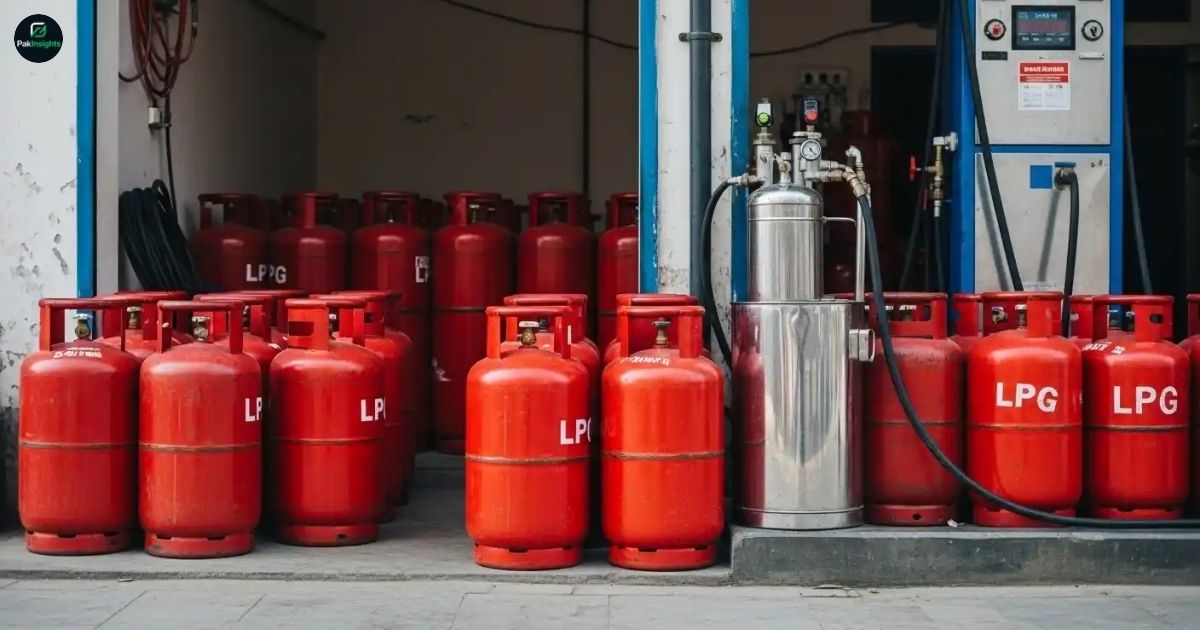
Karachi LPG prices have surged sharply as prolonged gas load shedding forces households to switch to alternative fuel. Residents across the city say they are struggling to manage daily cooking needs amid rising costs and irregular supply.
Local market estimates show that fibre LPG cylinders, ranging from 5kg to 13kg, are now being sold between Rs. 7,500 and Rs. 13,500. Smaller iron cylinders, typically used by low-income households, are also seeing price increases, with rates ranging from Rs. 1,200 to Rs. 5,000.
The sudden spike follows intensified and often unannounced gas outages in many parts of the city. In several areas, piped gas remains unavailable for long hours, especially during peak cooking times. As a result, demand for LPG cylinders has increased, pushing prices upward.
Residents say the situation has become difficult to manage. Many households now rely entirely on LPG for cooking, adding extra pressure on already strained budgets. Some citizens also report adjusting their daily routines, cooking at odd hours, or reducing meal preparation to save fuel.
The issue is not limited to gas alone. Karachi continues to face multiple utility challenges. Frequent electricity outages have pushed many families to install solar panels, while water shortages have forced reliance on private tankers. These combined expenses are increasing the financial burden on middle- and low-income groups.
Consumers have expressed frustration over the lack of consistent utility services. Many are calling on authorities to ensure a stable gas supply and regulate LPG prices to prevent further exploitation in the market.
Energy experts note that seasonal demand and supply disruptions often trigger LPG price fluctuations. However, the current surge appears more severe due to the scale of gas shortages in the city.
Officials have yet to announce any immediate relief measures. Meanwhile, citizens continue to bear the cost of unreliable infrastructure, managing essential needs through costly alternatives.