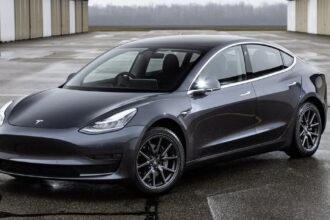
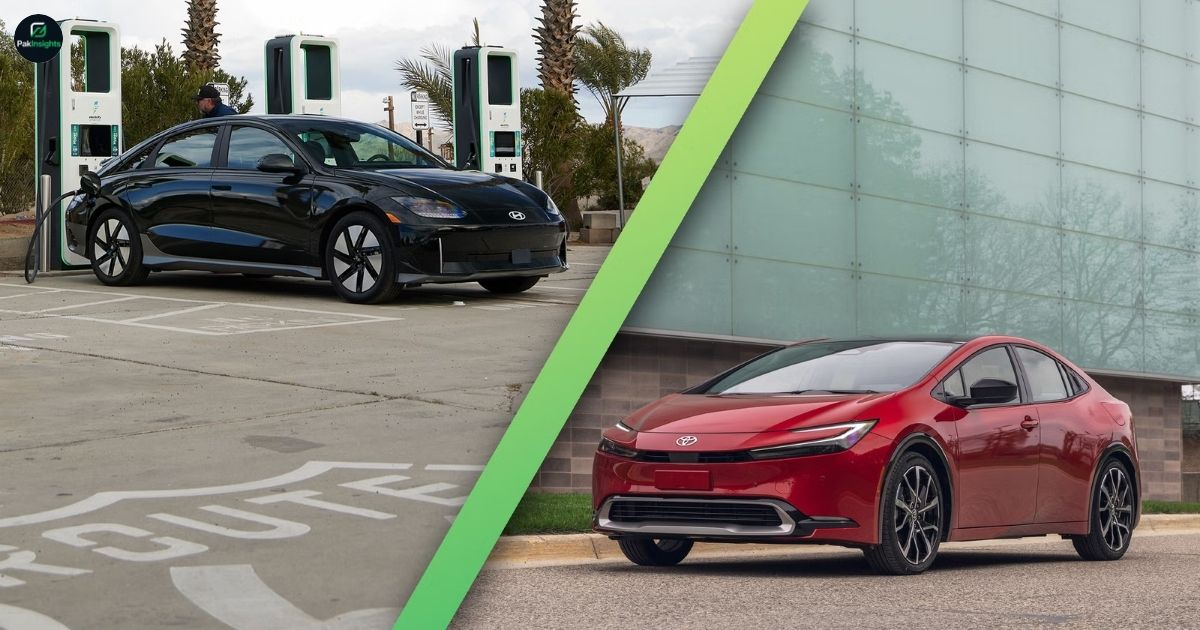
The debate around Gas vs Hybrid vs Electric Cars has become more intense in the USA. Drivers now face rising fuel prices, new technology, and strict sustainability laws. Because of this, many people ask the same question: gas vs hybrid vs electric cars, which one truly fits their life in 2026?
This guide breaks everything down in simple English. You will learn costs, performance, maintenance, and environmental impact. More importantly, you will understand which car is cheaper in the long run and how each choice affects your wallet and lifestyle.
Understanding Gas, Hybrid, and Electric Cars – Key Differences That Matter in 2026
To understand gas vs hybrid vs electric cars, you first need to know how each system works. Gasoline-powered cars use an internal combustion engine (ICE). They burn fuel to create power. This system is familiar but depends heavily on gas price per gallon and regular maintenance.
On the other hand, hybrid vehicles mix fuel and electricity. They switch between engines to improve efficiency. Meanwhile, electric vehicles (EVs) run on battery power only. A battery electric vehicle uses stored energy and produces no tailpipe emissions, making it part of modern green transportation.
A simple comparison helps you see the difference clearly:
| Type | Power Source | Key Feature |
|---|---|---|
| Gasoline-powered cars | Fuel | Traditional engine system |
| Hybrid vehicles | Fuel + Electric | Dual engine efficiency |
| Electric vehicles (EVs) | Battery | Zero fuel usage |
Many drivers now ask how electric cars work and how hybrid cars save fuel. The answer lies in energy conversion. EVs rely on electricity storage, while hybrids reduce fuel use by switching intelligently between engines. This shift is driving demand for eco-friendly vehicles across the USA.
Cost, Performance, and Maintenance Comparison – Which Option Saves You More?
When comparing gas vs hybrid vs electric cars, cost becomes the biggest factor. The upfront vehicle cost of EVs is usually higher. However, tax incentives and rebates, including the federal EV tax credit, can reduce the price significantly in the USA market.
Over time, the real difference appears in fuel cost comparison and maintenance expenses. Gas cars depend on fuel and regular servicing. EVs rely on electricity, which is often cheaper per mile.
| Cost Factor | Gas Cars | Hybrid Cars | EVs |
|---|---|---|---|
| Fuel cost | High | Medium | Low |
| Maintenance | High | Medium | Low |
| Insurance premiums | Low | Medium | High |
Performance also matters. EVs deliver instant torque, giving better acceleration. This is part of a strong engine performance comparison where electric motors outperform traditional systems. However, gas cars still offer long range and quick refueling.
Maintenance is another key point. Gas cars need frequent oil changes and face higher vehicle maintenance costs due to more moving parts wear and tear. EVs reduce oil change frequency and use a regenerative braking system, which reduces brake wear. However, EVs may face battery replacement costs after several years.
Many buyers now ask about the electric car vs gas cost per mile and the cost of charging vs gas. In most US states, EV charging is cheaper, especially with home charging. Public charging can increase the charging cost per kWh, but it still often beats fuel prices.
Overall, EVs often provide stronger long-term savings and better lifetime savings, but only after reaching the break-even point. That is why many drivers calculate the EV break-even point before switching.
Which Car Should You Buy in 2026? Smart Choice Based on Your Lifestyle
Choosing between gas vs hybrid vs electric cars depends on your lifestyle, not just price. If you drive long distances in rural areas, gas cars still make sense. Many drivers still ask if a gas car is still worth buying, and the answer is yes for specific use cases.
Hybrids sit in the middle. They balance fuel savings and flexibility. That is why many experts highlight the advantages of hybrid cars for city drivers who also travel occasionally. EVs, however, are growing fast due to clean energy policies and sustainability laws in the USA.
A lifestyle-based comparison helps:
| Lifestyle Type | Best Choice |
|---|---|
| Daily city commuting | EV |
| Long highway driving | Gas |
| Mixed driving | Hybrid |
People often search for the best car type for daily commuting and electric vs hybrid for long-distance driving. EVs work best in cities with strong charging networks. Hybrids are safer for mixed driving. Gas cars still serve drivers in remote areas.
Environmental impact is another big factor. EVs reduce carbon emissions (CO2) and support clean energy vehicles. Many studies show how much CO2 EVs save, and results often favor electric cars significantly. However, battery production still affects the environmental impact of cars.
At this stage, many buyers ask whether electric cars are better for the environment and what the benefits of eco-friendly cars. The answer is yes in most urban use cases, especially when powered by renewable energy.
Still, gas vehicles are not disappearing. They remain practical where charging stations are limited. That is why the pros and cons of EVs, the disadvantages of gasoline vehicles, and the hybrid vs electric cost comparison remain important decision tools for buyers.
Frequently Asked Questions
Q1: gas vs hybrid vs electric cars — which is better overall in 2026?
There is no single winner. EVs win on savings and emissions, hybrids balance both, and gas cars still suit long-distance drivers.
Q2: Which car is cheaper in the long run?
Usually, electric vehicles are cheaper over time due to lower fuel and maintenance costs, but the upfront price is higher.
Q3: Should I buy an electric car in 2026?
Yes, if you have charging access and want long-term savings and lower emissions.
Q4: hybrid vs electric cost comparison — which saves more money?
EVs generally save more money long-term, while hybrids offer moderate savings with flexibility.
Q5: Is a gas car still worth buying in 2026?
Yes, especially for rural areas, long trips, or where charging stations are limited.