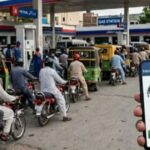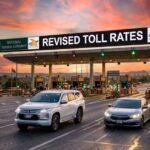
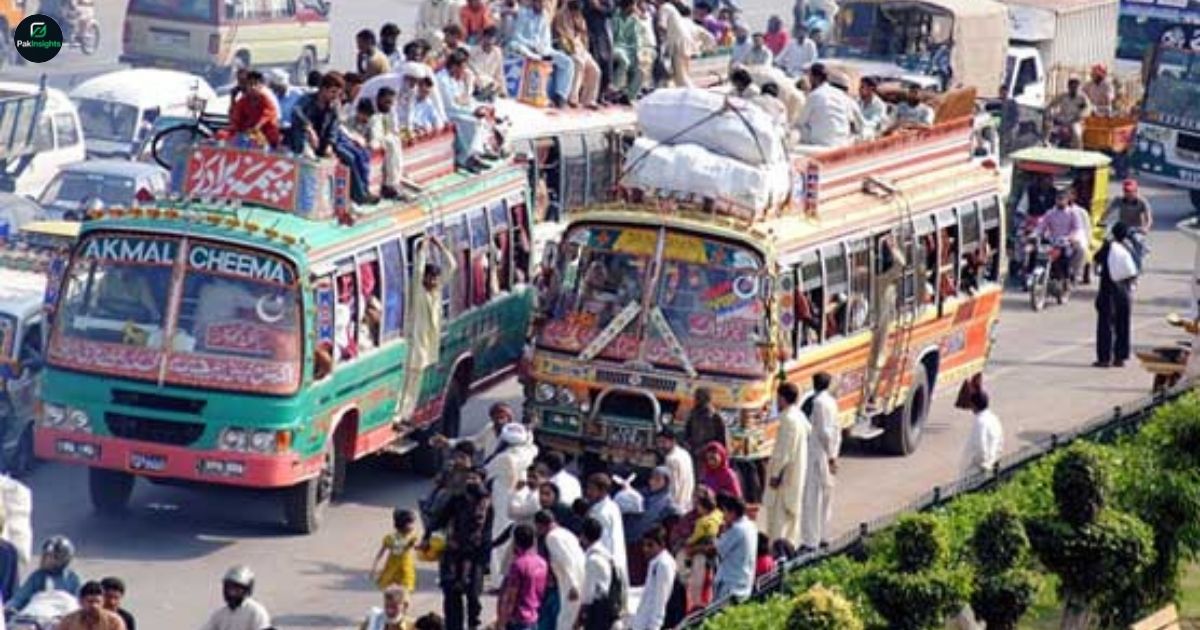
Rising petroleum costs push taxi, bus, and rickshaw fares up, affecting daily commuters and public transportation costs across Pakistan. The recent petrol and diesel price hike has forced transport operators in Rawalpindi and other cities to increase fares by up to 35% for taxis, rickshaws, and online bike-hailing services. Similarly, intercity bus fare increases range from 25 to 30%, putting extra strain on passengers.
Transporters argue that the sharp fuel price surge is beyond their control. Petrol now costs Rs458.40 per litre, while diesel has reached Rs520.35 per litre. These price changes directly impact transportation inflation and essential commodity prices. Rising fares are a result of higher operational costs, including fuel, maintenance, and staff salaries.
The government held a Federal Finance Ministry meeting to address the issue. Provincial chief ministers from Punjab, Sindh, Balochistan, and Khyber Pakhtunkhwa attended virtually. Officials discussed targeted subsidy mechanisms to ease commuter costs. Transporters, however, say the subsidies may take time to implement and cannot immediately reduce fares.
In Rawalpindi, taxi, rickshaw, and online bike fares continue to climb, affecting daily travel budgets. Commuters are now seeking alternative routes or carpooling to offset expenses. The public transport fare adjustment highlights the broader impact of fuel price increases on daily life.
As fuel prices remain high, Pakistanis face ongoing transportation inflation. Authorities must balance petroleum costs, public transport affordability, and subsidy mechanisms. Without timely intervention, fare hikes will likely continue, affecting millions of daily commuters nationwide. Rising petroleum costs push taxi, bus, and rickshaw fares up, raising public transportation costs and daily commuter expenses.