
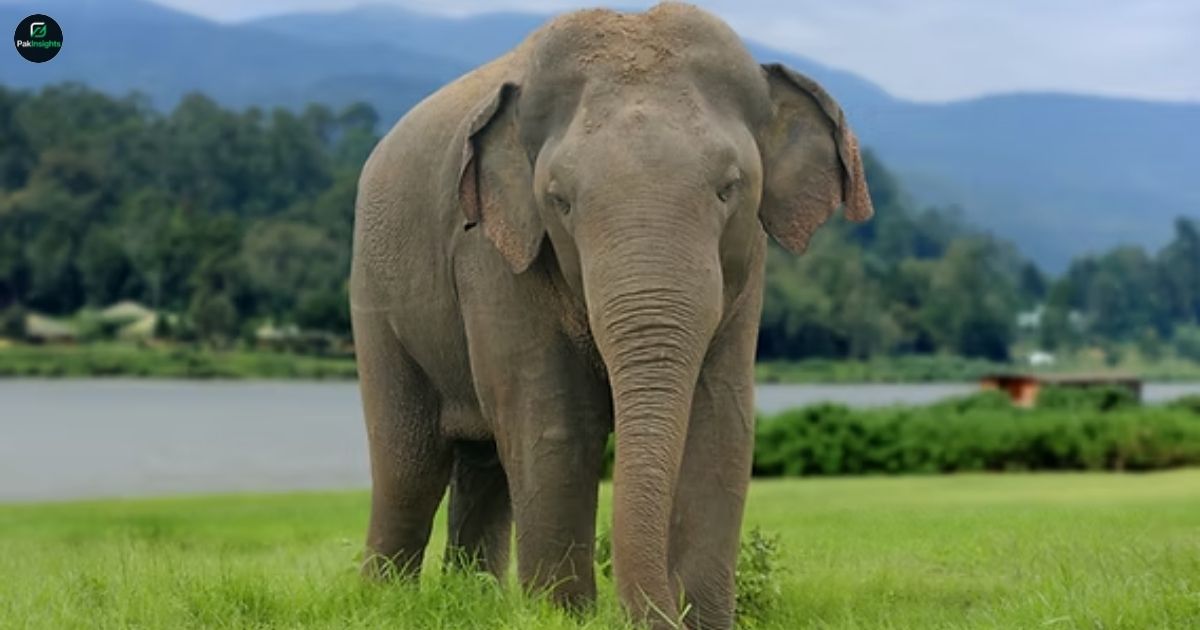
The Asian elephant (Elephas maximus) is one of the most iconic creatures on Earth. Known for its enormous size and intelligence, it plays a crucial role in maintaining forest ecosystems. However, this gentle giant is now an endangered species. Across Asia, their numbers are declining due to human activity, habitat loss, and poaching. Protecting these animals is not just about saving one species—it’s about preserving biodiversity and the balance of nature. In this article, we explore everything you need to know about the Asian elephant, from its biology to conservation efforts.
Understanding the Asian Elephant: Species, Habitat, and Characteristics
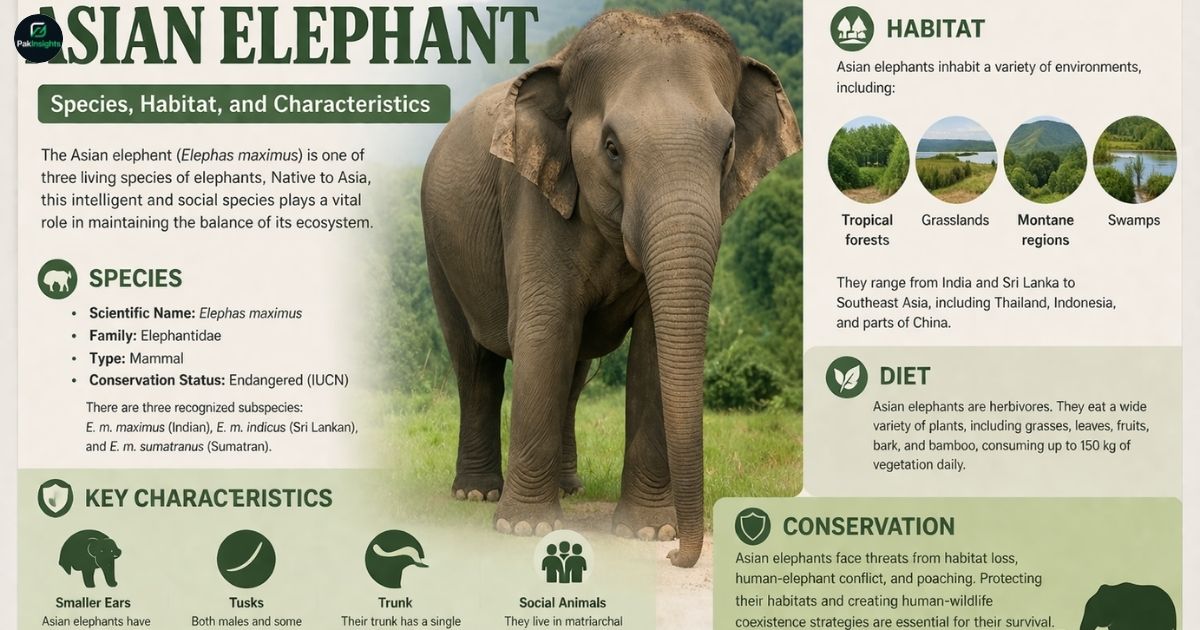
The Asian elephant is part of the Elephantidae family and belongs to the Proboscidea order. It differs from African elephants in size, ear shape, and back curvature. Most Asian elephant subspecies include the Indian elephant, Sri Lankan elephant, Sumatran elephant, and Borneo elephant. They have wrinkled grey skin, often with depigmentation on the trunk, ears, and neck, a convex back, and small ears. Some males, called makhnas, do not grow tusks, while others develop long, curved tusks. The trunk, or proboscis, is highly flexible and helps in eating, drinking, and social interactions.
Physically, Asian elephants exhibit sexual dimorphism, with males typically larger than females. Adult weight ranges from 2,700–4,000 kg, and height is 2–3 meters. Their skull and rib structure support massive muscles. The neocortex’s development in the brain enables advanced behavior and intelligence. Nail-like structures on their feet prevent sinking into soft soil. They are herbivorous, relying on grazing and browsing, consuming plants such as Malvales, legumes, palms, and grasses, while drinking 80–200 liters of water daily. They also ingest soil and minerals, which help their health.
Behavior, Intelligence, and Social Life
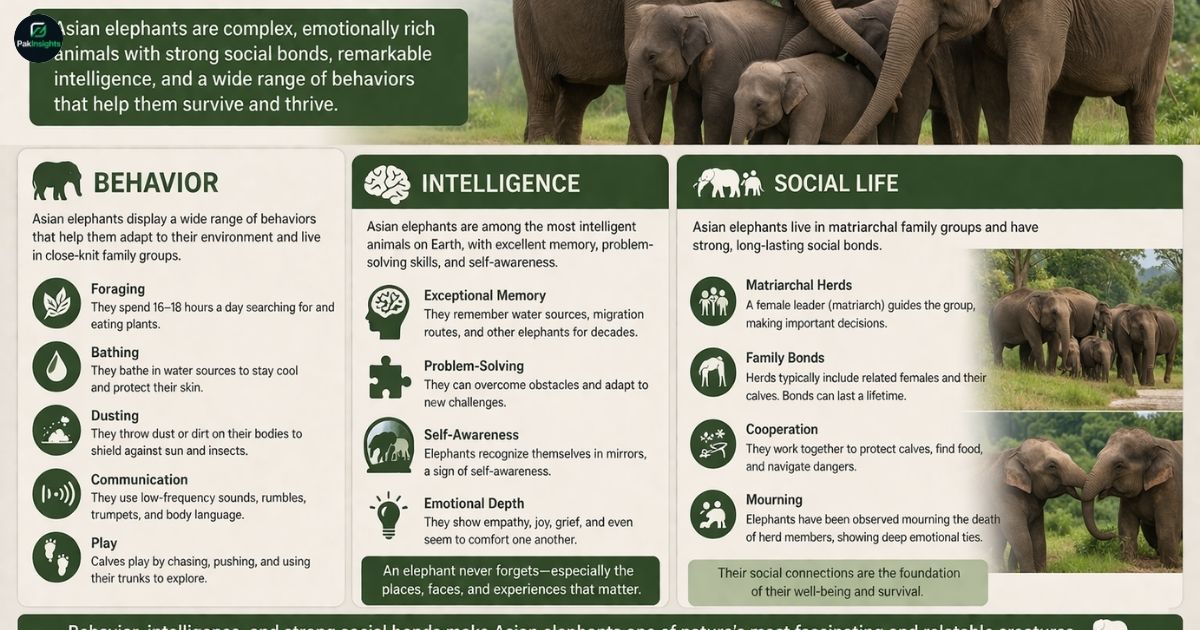
Asian elephants are highly social. Cow-calf units form the core of their groups, while males often live in bachelor groups. These animals are crepuscular, most active during early morning and late evening. They communicate through growls, squeaks, and snorts, and use olfactory signaling and pheromones for mating and social interactions. During musth, males secrete hormones that increase aggression and mating chances.
These giants are remarkable for their tool use and problem-solving skills. They display self-awareness, grief, play, mimicry, and altruism, making them one of the most intelligent animals on Earth. Studies show they can remember water sources, migration routes, and even human behaviors for years. Their memory and learning abilities are unmatched among non-human mammals, which is why preserving their habitats is critical.
Reproduction, Lifespan, and Growth
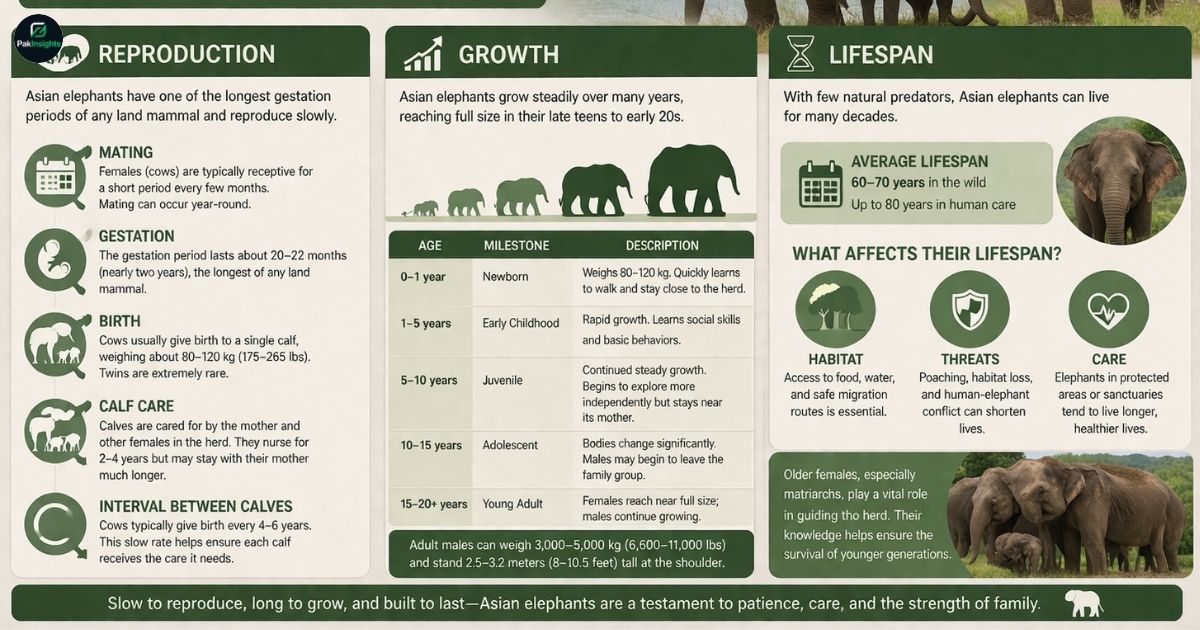
Asian elephants reach sexual maturity at 10–15 years, with males maturing slightly later than females. The estrous cycle of females allows reproduction roughly every 4–5 years. The gestation period is exceptionally long, lasting 18–22 months, and calves are born weighing around 100 kg. Mothers nurse their young for three years, and calves learn survival skills from the herd.
The generation length is about 22 years, while the life expectancy can reach 60 years. This slow reproduction makes populations extremely vulnerable to threats. Even minor disturbances, like habitat loss or poaching, can have long-term consequences. Protecting both young and adults is crucial to maintaining stable populations.
Distribution and Habitat
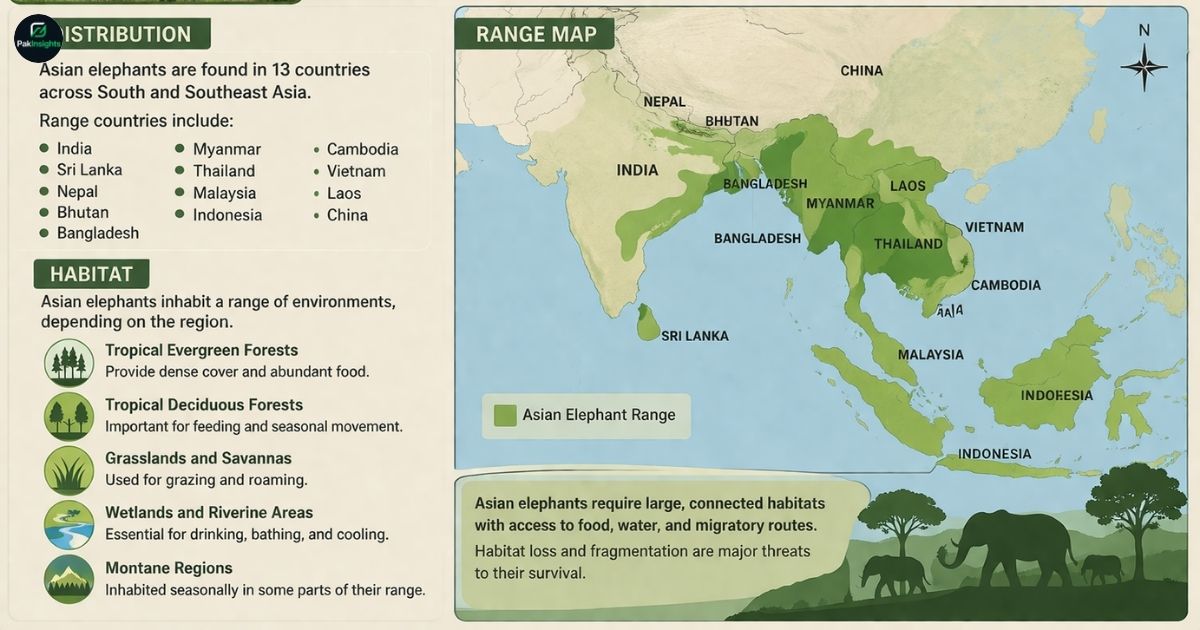
Asian elephants are found across the Indian subcontinent and Southeast Asia, including Nepal, Sumatra, Borneo, and Sri Lanka. They live in grasslands, evergreen forests, deciduous forests, and thorn forests, up to elevations of 3,000 meters. Many are confined to protected areas like national parks and nature reserves, but human-elephant conflict areas are growing due to habitat fragmentation.
Migration is common, as elephants move seasonally in search of food and water. Their movement is critical to forest regeneration, as they spread seeds over long distances. Human activities have disrupted traditional migratory paths, causing dangerous encounters with people and vehicles. Table 1 shows their main habitats and populations:
| Subspecies | Primary Habitat | Estimated Population |
|---|---|---|
| Indian elephant | India, Nepal, Bhutan | 27,000 |
| Sri Lankan elephant | Sri Lanka | 7,000 |
| Sumatran elephant | Sumatra, Indonesia | 2,400 |
| Borneo elephant | Borneo, Indonesia/Malaysia | 1,500 |
Threats to Asian Elephant Survival and Conservation Status
The Asian elephant is classified as endangered on the IUCN Red List. Major threats include habitat loss, fragmentation, and poaching for ivory and skin. Human-elephant conflicts often arise when elephants raid crops, leading to retaliatory killings. The illegal trade in live elephants for tourism and rituals further threatens populations.
Diseases such as EEHV (Elephant Endotheliotropic Herpesvirus) and parasitic infections can also devastate herds. CITES Appendix I protection prohibits commercial trade, but enforcement varies. Without urgent action, this flagship species could face catastrophic declines, disrupting ecosystems they help sustain.
Conservation Efforts and How You Can Help
Conservation programs like Project Elephant in India and protected wildlife reserves aim to preserve habitats and reduce conflict. Establishing conservation corridors allows elephants to migrate safely between forest fragments. Public awareness campaigns, including World Elephant Day and Asian Elephant Awareness Month, educate people on responsible coexistence.
You can help by supporting wildlife organizations, donating to elephant sanctuaries, and advocating for stricter anti-poaching laws. Promoting eco-tourism and choosing ethical elephant experiences also makes a difference. Case studies show that community-based conservation in Sri Lanka and Sumatra has successfully reduced conflicts and increased elephant populations. Every small effort counts in securing the future of these majestic animals.
Cultural and Historical Context
The Asian elephant has played a vital role in human culture for thousands of years. From the Indus Valley civilization to modern Asia, elephants were used in labor, warfare, and ceremonies. They hold cultural significance, symbolizing strength, wisdom, and prosperity.
Historically, populations declined due to overexploitation and habitat encroachment. Today, they serve as flagship species for conservation, helping raise awareness about wildlife preservation. Protecting elephants is not just an ecological need—it’s preserving centuries of history and culture intertwined with these magnificent giants.
Frequently Asked Questions
Q1: What is an Asian elephant?
An Asian elephant (Elephas maximus) is a large, intelligent herbivore native to Asia, known for its trunk, tusks, and social behavior.
Q2: Where do Asian elephants live?
They are found in the Indian subcontinent, Sri Lanka, Sumatra, and Borneo, living in forests, grasslands, and protected reserves.
Q3: Why are Asian elephants endangered?
Major threats include habitat loss, poaching, human-elephant conflict, and illegal trade, causing rapid population decline.
Q4: How long do Asian elephants live?
They can live up to 60 years, with slow reproduction and long gestation periods, making populations vulnerable.
Q5: How can people help conserve Asian elephants?
Support wildlife organizations, eco-tourism, anti-poaching laws, and awareness campaigns like World Elephant Day.