
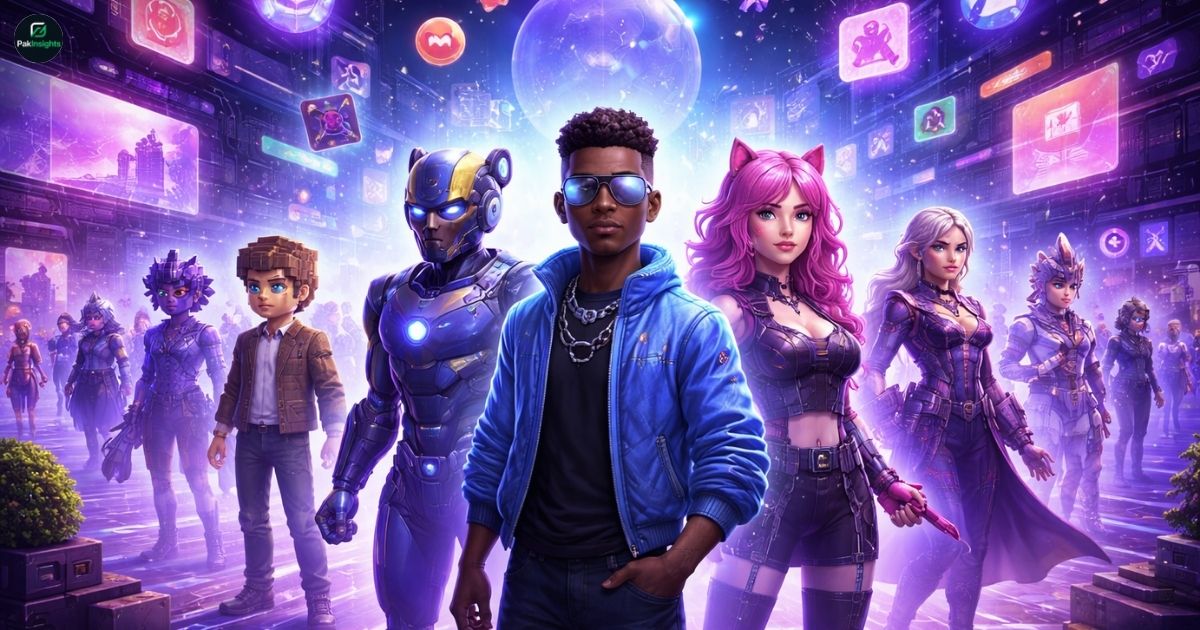
In today’s world, our digital identity is almost as real as our physical self. People spend hours creating an online persona that represents who they are in virtual worlds. From social media profiles to metaverse avatars, the way we present ourselves online has grown into an art form. These 3D avatars are no longer just cartoon icons. They are user-generated avatars that show personality, style, and mood. Through avatar customization, users can express their personality online and explore multiple facets of themselves safely.
As technology evolves, the link between virtual identity and real-world perception deepens. Studies show that people with well-developed avatars often feel more confident in virtual spaces. Avatars are now key tools for digital self-expression, letting users share their style, humor, and creativity. Platforms like The Sandbox, Roblox, and VRChat offer immersive virtual experiences, while NFT avatars and Web3 gaming integrate ownership and real value into these creations. Understanding this shift is crucial to appreciating how digital personas influence social life online.
Understanding Online Identity in the Digital Age
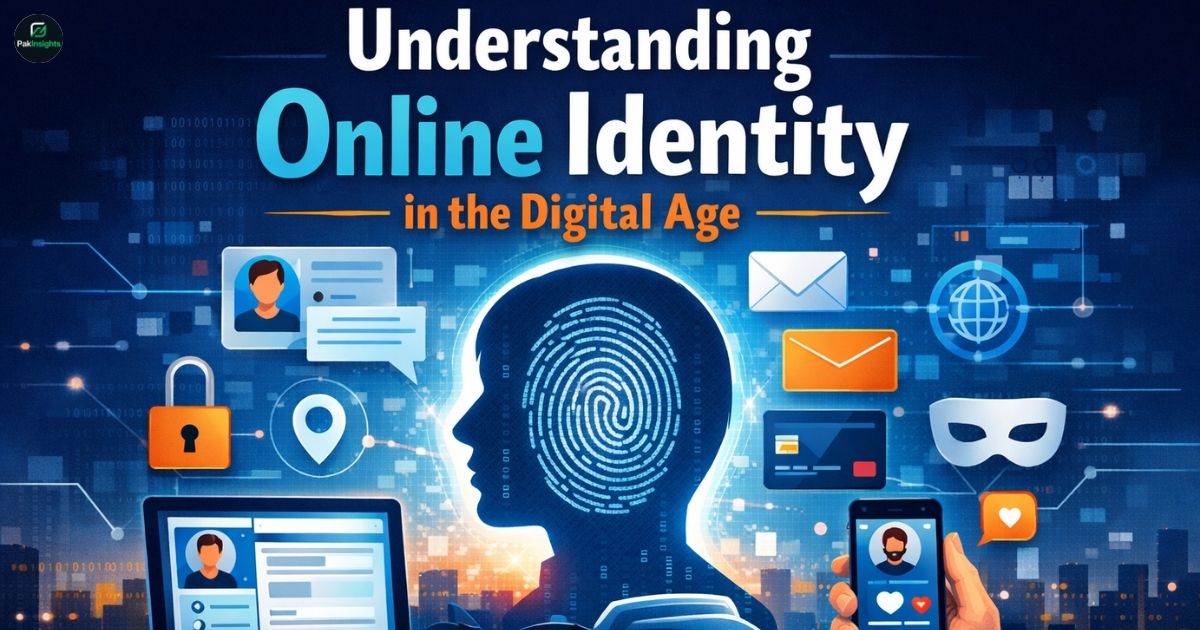
Our digital identity has grown beyond usernames and profile pictures. It’s a reflection of how we want to be seen in virtual worlds. By creating an online persona, users can explore role-playing virtual identity safely. From school students to professionals, everyone is shaping their presence through avatar selection behavior and interactive features. Social media, gaming platforms, and metaverse platforms let people express their personality online in ways that were impossible a decade ago. Multiple digital identities are now common, letting someone be a warrior in one game and a fashionista in another.
The psychology behind this is fascinating. Avatar psychology studies show that people choose avatars to match self-image, social standing, or desired traits. Social comparison in avatars can motivate players to improve or compete. Emotional expression through avatars allows communication without words. Additionally, avatar-driven digital engagement has created new marketplaces. Avatar marketplaces now offer virtual assets like outfits, emotes, and collectibles. These digital items contribute to the evolution of digital self-expression and show how seriously people take their identity representation online.
The Rise and Transformation of Digital Avatars
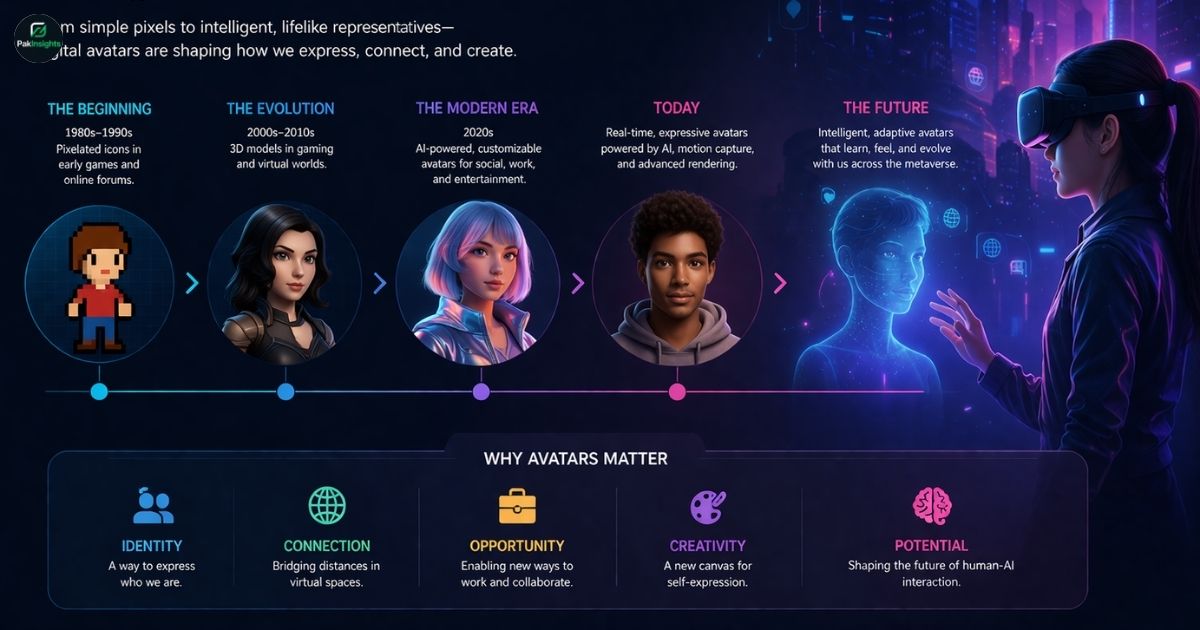
Digital avatars started as simple icons, but they have transformed into complex 3D avatars with endless possibilities. Modern customizable avatars allow users to adjust hairstyles, clothing, accessories, and even facial expressions. Virtual fashion trends now influence how avatars are dressed, and brands enter avatar markets to sell digital fashion items. NFT gating experiences give exclusive access to digital goods and events, further increasing the appeal of Web3 avatar ownership. User-generated avatars are now part of a growing economy where creators benefit from avatar revenue sharing, and players enjoy personalization.
The evolution of avatars also includes emotes and digital communication, letting users show gestures, moods, and reactions in immersive virtual experiences. Platforms have embraced inclusive and interoperable metaverse standards, allowing avatars to move across games and virtual worlds. This rise has expanded opportunities for social connection, collaboration, and even education. Digital self-expression evolution now lets users role-play different identities, explore creativity, and interact with communities in a safe yet entertaining space.
| Feature | Description | Examples |
|---|---|---|
| 3D Avatars | Fully customizable characters | Roblox, VRChat, The Sandbox |
| NFT Avatars | Digital ownership of avatar items | Snoopverse, Bored Ape Yacht Club |
| Emotes & Communication | Gestures, dances, moods | Emoji reactions, avatar dances |
| Digital Fashion | Avatars wear branded outfits | Gucci Vault in Roblox, Fortnite skins |
The Future of Digital Personas and Online Interaction
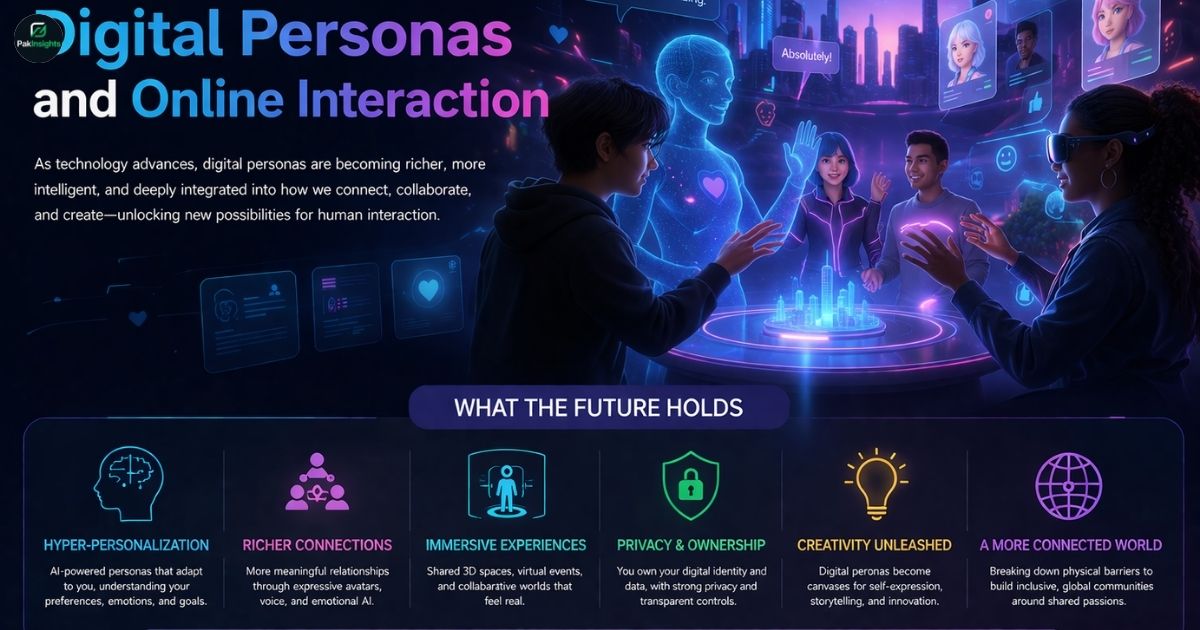
The future of digital avatars is exciting and full of possibilities. Virtual community interaction will grow as VR and AR make immersive virtual experiences more realistic. Users will not just create an online persona but live inside their avatar, blending virtual identity with real-life actions. Decentralized metaverse platforms will let people own avatars, trade virtual assets, and participate in open, shared worlds. Web3 gaming will further reward creativity with avatar revenue sharing and exclusive experiences.
As technology advances, digital self-expression will become more sophisticated. Avatar emote usage patterns will evolve to convey nuanced emotions, and customizable avatars will reflect real-time moods. Social interactions in metaverse platforms will mimic real life, including collaboration, social hierarchies, and cultural trends. Avatar-driven digital engagement will shape education, commerce, and entertainment in the next decade. Simply put, your digital identity will be as important as your real-world persona, and the power of role-playing virtual identity will only grow.
Frequently Asked Questions
Q1: What is a digital avatar?
A digital avatar is a virtual representation of a person used to express personality online in virtual worlds and metaverse platforms.
Q2: How do avatars affect online identity?
Avatars allow users to role-play virtual identity, explore multiple digital identities, and shape their digital self-expression.
Q3: What are NFT avatars?
NFT avatars are unique, user-generated avatars that can be owned, traded, or sold, offering Web3 avatar ownership.
Q4: Can I customize my avatar?
Yes, customizable avatars let you change appearance, clothing, emotes, and accessories to reflect your style and mood.
Q5: Why are avatars important in the metaverse?
They drive avatar-driven digital engagement, enable social dynamics in virtual worlds, and create opportunities for virtual community interaction.