Home / Wildlife / Kakapo – The Critically Endangered Flightless Parrot

Kakapo – The Critically Endangered Flightless Parrot

Kakapo – The Critically Endangered Flightless Parrot

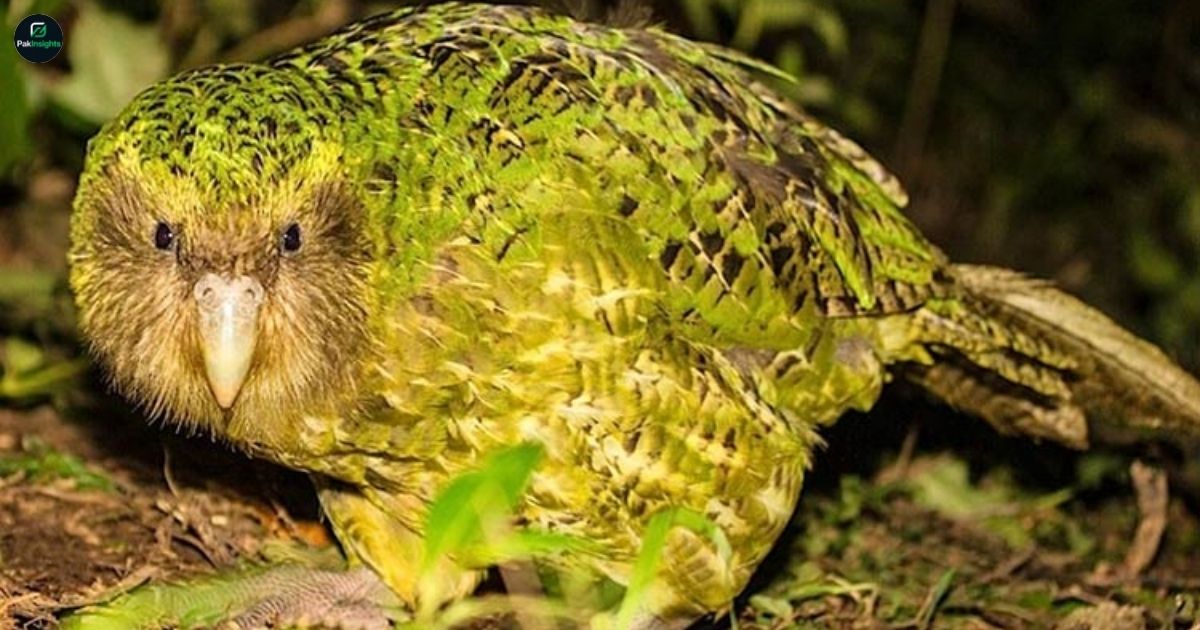
The Kakapo, also known as Strigops habroptilus, is a truly unique bird. It is the world’s only flightless parrot and a nocturnal parrot that thrives in the forests and islands of New Zealand. This critically endangered parrot has fascinated scientists and nature lovers for decades. Known as the owl-parrot because of its round facial disc, the Kakapo combines the mystery of nocturnal creatures with the charm of a large, herbivorous bird. Once widespread, human settlement introduced predators, and habitat destruction drastically reduced their numbers. Today, conservation programs are its lifeline, offering hope for this New Zealand endemic bird.

The Kakapo is remarkable not only for its flightlessness but also for its unusual behaviors. It climbs trees using its strong legs, can parachute from heights, and leaves behind browse signs that reveal its herbivorous diet. With a long life expectancy and unique courtship rituals, the Kakapo is both an evolutionary marvel and a symbol of successful conservation efforts.

Fascinating Facts About the Kakapo

The Kakapo has a rotund body, flightless wings, and zygodactyl feet that help it grip branches. Its owl-like facial disc gives it a wise appearance, while its camouflaged green feathers blend perfectly into coastal forests, tussocklands, and scrublands. The bird has a low basal metabolic rate, which helps it survive on a herbivory / plant-based diet consisting mainly of rimu fruit, seeds, leaves, shoots, and rhizomes. Seasonal changes in food availability often force the Kakapo to adapt, and coprolite analysis shows that fermentation of plant matter aids digestion.

Another striking feature is its lek breeding system. Male Kākāpō perform booming calls in a mating arena/court, sometimes over long distances, to attract females. These booming and ching calls are part of a complex reproductive strategy. Sexual dimorphism is evident, with males typically heavier and louder. Despite being ground-dwelling, the Kakapo can climb and parachute from trees, showcasing incredible defensive adaptations against predators.

Physical FeatureDescription
Flightless wingsReduced pectoral muscles; cannot fly
Rotund bodyLarge and heavy for camouflage
Large grey beakStrong for chewing tough vegetation
Owl-like facial discEnhances nocturnal vision and hearing
Zygodactyl feetTwo toes forward, two backward for climbing
Feather morphologyDense and soft for insulation

Habitat, Diet, and Conservation Efforts

The Kakapo was once widespread across New Zealand. Today, it survives on predator-free islands such as Codfish Island / Whenua Hou, Anchor Island, Chalky Island, and Maud Island, as well as protected mainland areas like Sanctuary Mountain Maungatautari and Little Barrier Island. Their habitats include coastal forests rich in podocarps, rimu, tōtara, and mataī, as well as tussocklands and scrublands. Introduced mammals, such as cats, stoats, rats, and ferrets, have historically decimated populations, making these predator-free islands crucial for survival.

Conservation efforts are led by the Kākāpō Recovery Programme, which includes supplementary feeding, nest management, and genetic monitoring to address the genetic bottleneck / low genetic diversity. Conservationists also use GPS / radio tracking to monitor wildlife. Over time, these interventions have helped the population recovery of this endangered species. Reintroductions to mainland habitats and habitat restoration projects continue, guided by the Wildlife Act 1953 and CITES Appendix I protections.

Conservation MethodPurpose
Predator-free islandsSafe breeding grounds
Supplementary feedingSupports nutrition during breeding season
Nest managementProtects eggs and altricial chicks
Genetic monitoringPrevents inbreeding effects
Habitat restorationExpands suitable environment for Kakapo

How You Can Help Save the Kakapo

Everyone can contribute to saving the Kakapo. Donations to the Kākāpō Recovery Programme help fund habitat restoration, volunteer staff, and supplementary feeding initiatives. Awareness campaigns on social media and educational programs in schools increase global support for this critically endangered parrot.

Volunteering opportunities exist for those who want hands-on experience. Tasks include monitoring nests, assisting in wildlife monitoring, and helping with conservation translocations. Even from the USA, spreading awareness and supporting ethical eco-tourism helps protect this unique species. Every action helps ensure that the nocturnal parrot continues to thrive, preserving its place in both nature and culture, including Māori mythology and historical folklore.

Frequently Asked Questions

Q1: What is a Kakapo?
The Kakapo is a critically endangered flightless parrot native to New Zealand, also called the owl-parrot due to its round facial disc.

Q2: Why is the Kakapo endangered?
Introduced predators like cats, stoats, and rats, along with habitat loss, caused a drastic decline in its population.

Q3: Where does the Kakapo live today?
It survives mainly on predator-free islands such as Codfish Island (Whenua Hou), Maud Island, and Anchor Island.

Q4: What does a Kakapo eat?
The Kakapo is herbivorous, eating rimu fruit, seeds, leaves, shoots, and rhizomes, with seasonal dietary changes.

Q5: Can the Kakapo fly?
No, it has flightless wings and relies on climbing and parachuting for movement.

Leave a Reply

Your email address will not be published. Required fields are marked *