

Managing early adolescent social media is one of the biggest challenges for parents today. Kids aged 10–13 are spending more time online than ever before. With the rise of smartphones, tablets, and gaming consoles, adolescent technology use is almost constant. Many parents worry about problematic internet use (PIU) and the negative impacts on mental health. Balancing digital well-being in adolescents while allowing some independence is tricky.
Understanding the role of parental monitoring strategies is key. Studies show that children in early adolescence who have parents actively involved in parental mediation styles (restrictive, active, deferential) tend to develop better online behavior regulation. Parents often struggle with maintaining authority while respecting adolescent autonomy and digital independence, especially as peers heavily influence social technology / social media use.
Understanding Digital Wellbeing and Its Importance

Digital well-being in adolescents refers to healthy and balanced use of technology. Kids in early adolescence are vulnerable to the psychological impacts of technology (stress, anxiety, depression) if screen time is excessive. Overuse of mobile devices in children can lead to poor sleep, difficulty focusing, and social withdrawal. Parents must recognize signs of problematic internet use (PIU) early. Family routines, such as family mealtime device use, strongly affect how teens interact with screens and social platforms.
The family context/family closeness also plays a major role. Research indicates that teens with strong parent-child relationship quality are less likely to engage in risky online behavior. Technoference (parental device interruptions), such as parents checking phones during dinner, can harm engagement and reduce meaningful conversations. Promoting digital literacy and critical thinking helps teens navigate social technology / social media use responsibly. Early adoption of parenting approaches and online safety ensures better screen time management for young users.
Parental Control Tools and Strategies
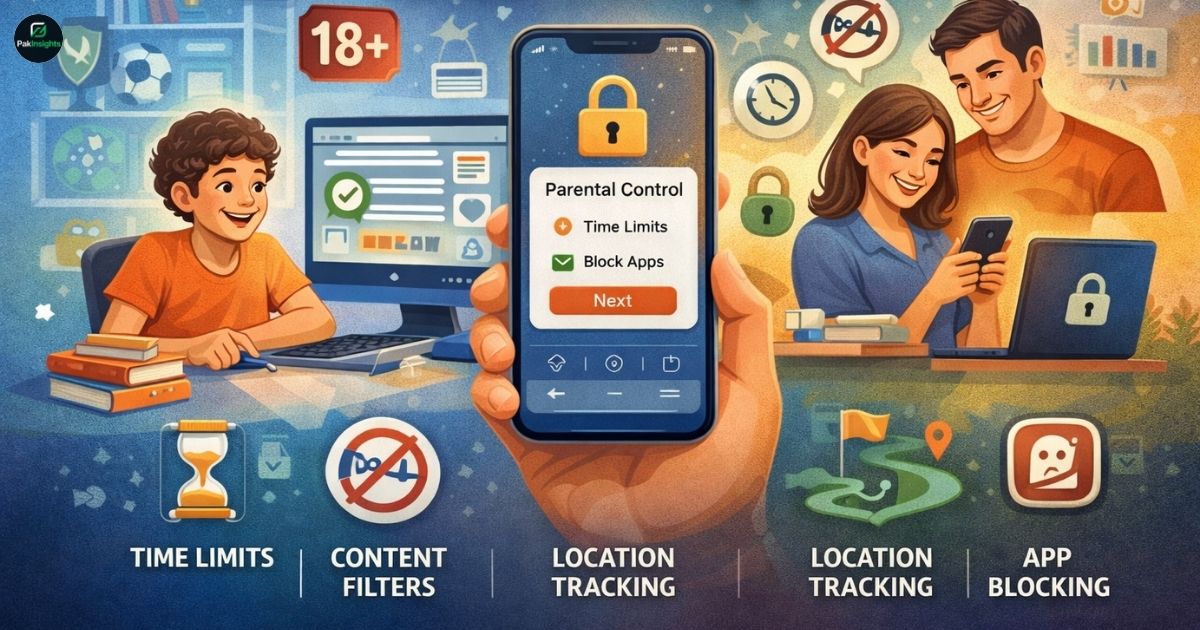
Parents can use parental monitoring strategies to guide their children’s digital media consumption without creating conflict. Tools like Qustodio, Google Family Link, and Bark allow for active tracking and alerts on excessive or impulsive internet behavior. The key is choosing methods suited for early adolescence while respecting adolescent autonomy and digital independence. Media restriction techniques such as limiting app usage or setting time limits are effective if used consistently.
Different parental mediation styles (restrictive, active, deference) work depending on the child. Restrictive monitoring involves strict rules on screen time management. Active monitoring includes discussing online content and fostering digital literacy and critical thinking. Deference encourages trust and gives teens freedom while keeping parents aware of usage. Parents should avoid over-monitoring, which can increase rebellion or reduce respect for screen rules and guidelines. The table below shows an example of parental control tools and features:
| Tool | Type | Key Feature | Age Suitability |
|---|---|---|---|
| Qustodio | App | Time limits, social media alerts | 10–17 |
| Google Family Link | App | App management, device locks | 6–17 |
| Bark | App | Monitoring for cyberbullying & risky content | 10–18 |
| Circle Home Plus | Device | Wi-Fi based content filtering | Wi-Fi-based content filtering |
Encouraging Healthy Digital Habits in Children
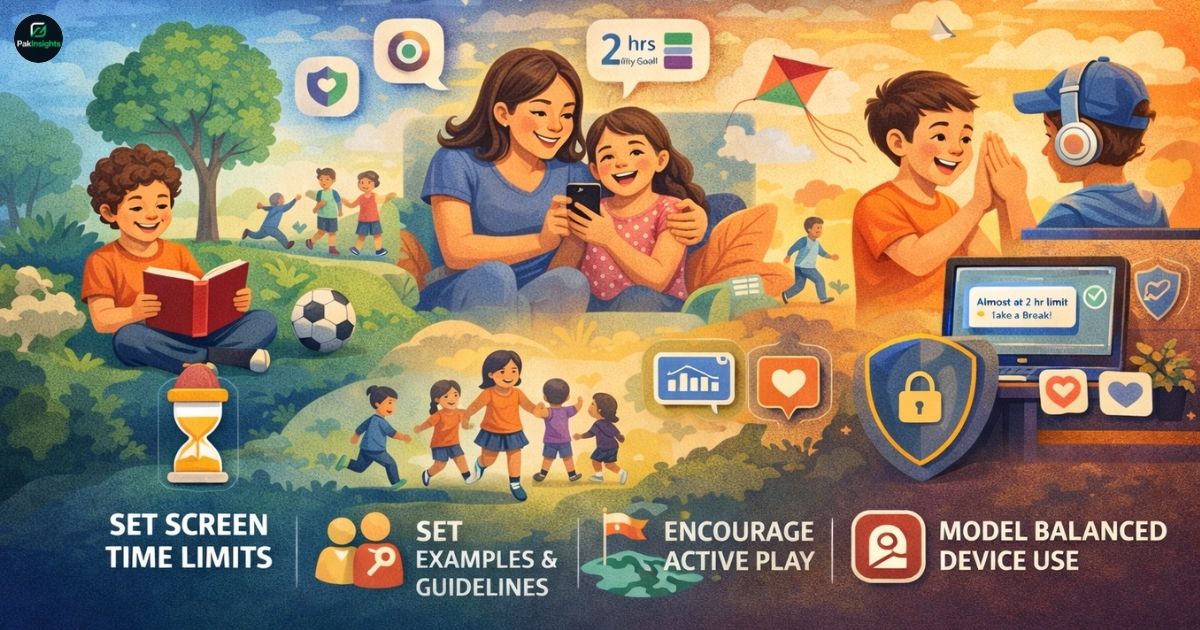
Promoting healthy social media habits starts with communication. Parents should discuss the positive and negative online behaviors of early adolescent social technology / social media use. Encouraging parent-child communication about media helps teens feel understood. Regular discussions about online experiences reduce problematic internet use (PIU) and reinforce digital wellbeing in adolescents. Families that share parent involvement in social media use create a supportive environment for adolescent psychosocial transitions.
Parents can also encourage active supervision of online activity without being intrusive. Setting routines like screen-free meals or outdoor family time reduces family mealtime device use and improves parent-child relationship quality. Teaching teens about cyber risk prevention and safe online choices helps them become early adopters of social technology responsibly. Research shows that consistent monitoring of younger vs. older adolescents must adapt as teens grow, focusing more on guidance and critical thinking rather than strict restrictions.
Frequently Asked Questions
Q1: What is the best way to monitor early adolescent social media use?
A1: Combine active, restrictive, and deference monitoring while keeping open parent-child communication about media.
Q2: How much screen time is healthy for early adolescents?
A2: Limit recreational digital media consumption to 1–2 hours per day, while balancing school and offline activities.
Q3: What are the signs of problematic internet use (PIU) in teens?
A3: Look for sleep loss, mood changes, withdrawal from offline activities, and constant device use.
Q4: Can parental controls prevent all online risks?
A4: No, but using parental monitoring strategies with guidance and discussion improves online behavior regulation.
Q5: How can parents encourage healthy digital habits?
A5: Set routines, model parent digital habits affecting child behavior, and teach digital literacy and critical thinking.