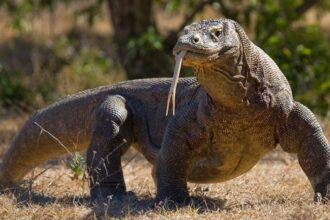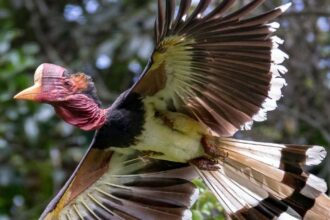
Wildlife corridors are lifelines for animals. They connect forests, grasslands, and mountains, allowing creatures to move safely across landscapes. Without these vital links, many species face habitat fragmentation and risk of extinction. From wolves roaming Yellowstone to Asian elephants navigating forested areas, these corridors allow animal migration and ensure animal survival.
In the United States, growing cities, highways, and agriculture have fragmented natural habitats. Ecological corridors are no longer optional—they are essential. By maintaining these pathways, we promote animal resilience, protect ecosystems, and help wildlife thrive even as the climate changes. Research shows that animals using corridors have higher survival rates and maintain genetic diversity in animals more effectively.
Understanding Wildlife Corridors and Their Importance
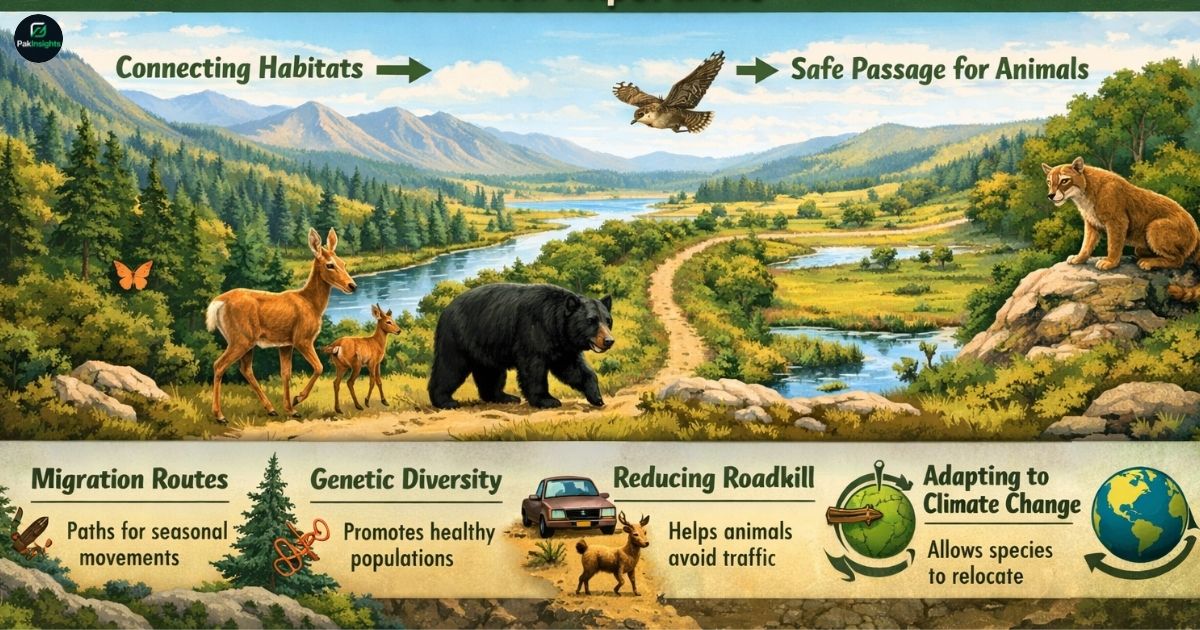
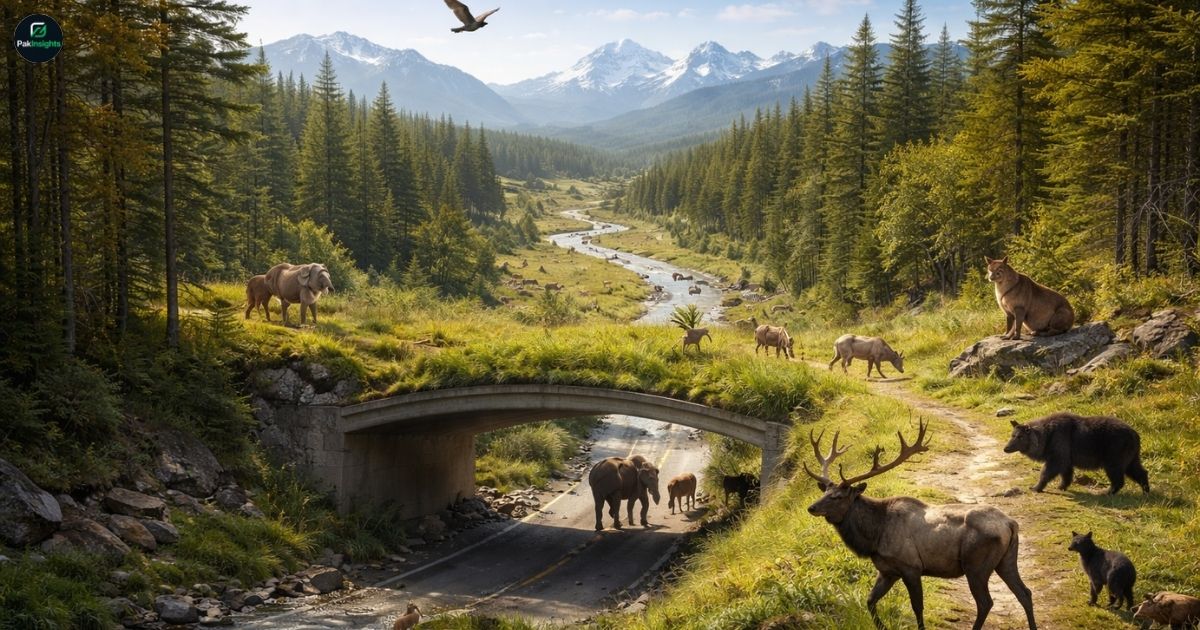
Wildlife corridors are stretches of land that connect separate habitats. They can be green bridges, underpasses, or stretches of natural forest that link parks and protected areas. These corridors support habitat connectivity, allowing animals like elk and zebra herds to follow seasonal migration routes safely. Without them, animals may struggle to find food, water, or mates, leading to an animal population decline.
Corridors also reduce human-wildlife conflict. By guiding animals away from roads and cities, corridors lower the chance of dangerous encounters with people. For example, wildlife underpasses and overpasses in California allow black bears and reindeer to cross highways safely. Maintaining corridors helps restore ecological connections, protect biodiversity, and support wildlife conservation programs across the U.S.
Challenges Facing Wildlife Movement and Habitat Connectivity
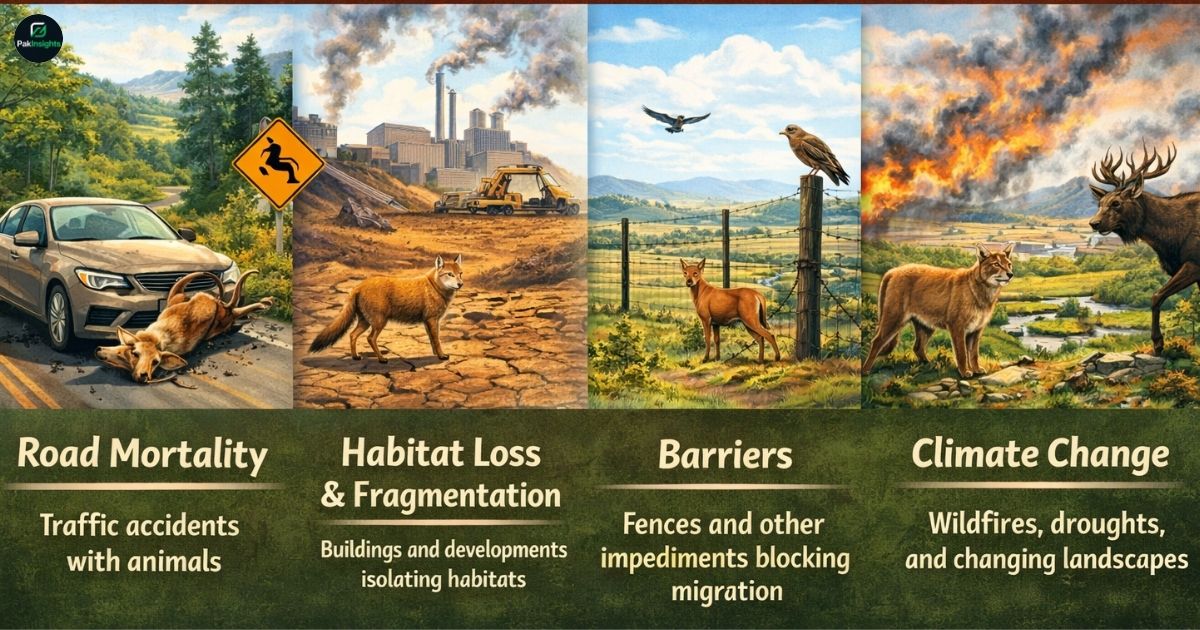
Animals face many challenges when habitats are broken up. Habitat fragmentation from urban development, highways, and farms interrupts wildlife movement. Many species, including lynx, wolverine, and panthers, struggle to reach food or mates, reducing genetic diversity and increasing vulnerability to disease.
Climate change adds another layer of complexity. Alpine species movement and snowpack-dependent species must relocate to survive. Drought or wildfires force animals to seek freshwater access for wildlife and safe escape routes. Roads fragment landscapes, leading to high mortality. Every year, millions of animals die from vehicle collisions, highlighting the need for roadkill prevention measures and corridors designed for safe passage.
| Challenge | Impact on Wildlife | Example |
|---|---|---|
| Habitat fragmentation | Restricted movement, inbreeding | Wolves in fragmented forests |
| Roads & highways | Vehicle collisions | Reindeer & black bears in Alaska |
| Climate change | Forced migration, species decline | Lynx & wolverine in alpine regions |
| Human-wildlife conflict | Dangerous encounters, zoonotic risk | Bears near residential areas |
Strategies and Success Stories in Wildlife Conservation
Building and maintaining corridors is possible with smart planning. Wildlife crossings, wildlife-friendly fences, and protecting parks and protected areas are effective strategies. Yellowstone has one of the most famous examples where corridors help wolves and elk move across vast territories. Florida’s panther program uses corridors to connect fragmented habitats, reducing human-wildlife conflict and improving species adaptation.
Communities are also stepping up. Technology, monitoring, and policy work together to ensure corridors succeed. Simple actions like reducing human encroachment and maintaining migration corridors can make a huge difference. By helping wildlife find safe routes, we help wildlife survive and thrive, promote animal resilience, and allow nature to recover after disasters through natural disaster escape routes. Every corridor restored is a step toward a healthier, more connected ecosystem.
| Strategy | Outcome | Example |
|---|---|---|
| Wildlife bridges & underpasses | Safe crossing, reduced roadkill | California & Florida highways |
| Maintaining migration corridors | Healthy populations | Zebra migration in African parks |
| Reducing human encroachment | Lower conflict & zoonotic risk | Bear corridors near U.S. towns |
| Protected areas & parks | Biodiversity preservation | Yellowstone & Great Smoky Mountains |
Frequently Asked Questions
Q1: What are wildlife corridors?
Wildlife corridors are connected pathways that allow animals to move safely between habitats, ensuring animal survival and maintaining habitat connectivity.
Q2: Why are wildlife corridors important?
They reduce human-wildlife conflict, prevent genetic isolation, and help species adapt to climate change and migration needs.
Q3: What animals use wildlife corridors?
Many species use corridors, including wolves, elk, panthers, lynx, wolverine, black bears, reindeer, and even smaller creatures like turtles and crabs.
Q4: How do wildlife corridors reduce roadkill?
By providing wildlife crossings like bridges and underpasses, corridors allow animals to safely navigate roads and highways.
Q5: How can communities support wildlife corridors?
Communities can help by reducing human encroachment, maintaining protected areas, and supporting conservation programs that restore ecological connections.