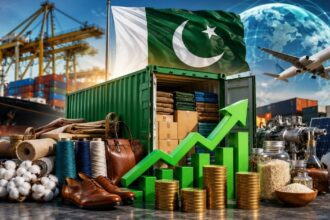
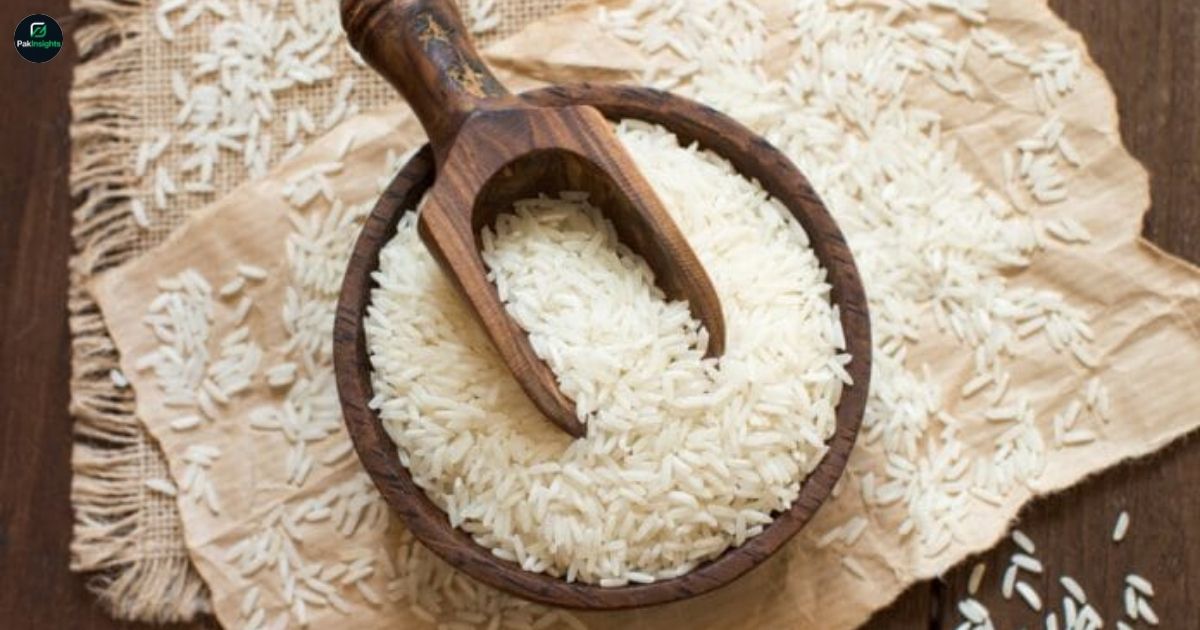
Pakistan Losing Competitive Edge in the Global Rice Export Market has become a growing concern for policymakers and exporters. The country once held a strong position in the international rice trade, but competition is increasing. Recent reports show a clear decline in Pakistan rice exports during the past year. Export earnings dropped sharply, so industry experts warn about weakening rice export competitiveness. This situation reflects deeper Pakistan rice export challenges in the global marketplace.
The Ministry of Commerce in Islamabad recently shared data about falling export performance. During the July–December period, rice export earnings in Pakistan dropped from $1.83 billion to $0.97 billion. Export volume also fell significantly, which signals a broader rice export volume decline. Many international buyers are choosing cheaper alternatives, so Pakistan is losing market share in key regions.
Rising global rice market competition is a major factor behind the slowdown. India has returned strongly to the global basmati rice market, offering lower prices. Pakistani basmati rice currently sells between $1,050 and $1,275 per ton. Meanwhile, Indian exporters offer similar quality rice at around $900 per ton. Lower prices attract international buyers, but they reduce Pakistan’s international market competitiveness.
Another issue is the increase in rice supply in global markets. A larger supply often pushes prices down, so exporters face pressure on profits. Many rice exporters in Pakistan are struggling to maintain strong margins. However, the government has introduced support measures to help the Pakistan rice sector recover.
One important step is the Duty Drawback of Local Taxes and Levies (DLTL) program. This exporter’s support scheme helps refund local taxes and reduce financial pressure. Such policies aim to strengthen Pakistan’s agricultural exports and restore confidence among exporters.
Pakistan must improve quality, pricing strategies, and market access to stay competitive. Strong policies and innovation can help the country regain its position in the global rice trade.