
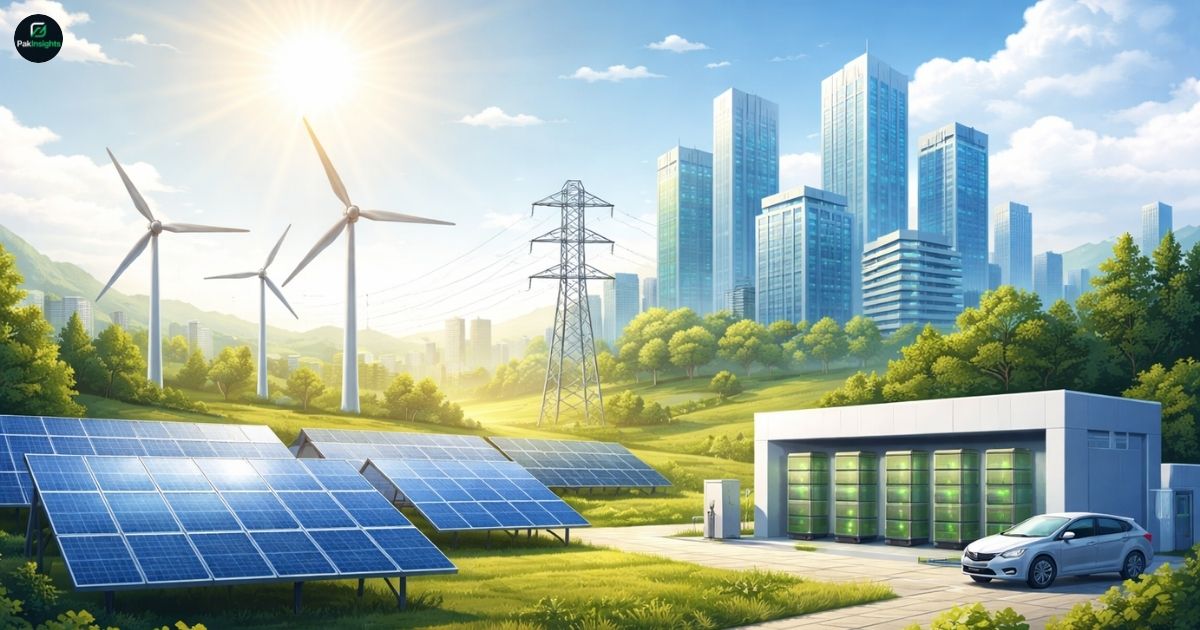
The energy crisis caused by technology is growing fast in the USA. Homes, industries, and data centres as energy consumers are using more power than ever. Digital growth, AI, and heavy server use push electricity demand to new heights. But technology itself could be the solution. By using AI and energy efficiency, renewable energy integration, and smarter urban planning, we can rethink how energy flows in cities. The question is not just whether technology consumes energy, but whether it can help us manage it better.
From coast to coast, Americans feel the effects of rising energy bills and frequent grid strain. Smart grids and energy management offer real-time solutions to track and optimize electricity use. Even data centre energy consumption can be turned into a resource with waste heat recovery. Imagine cities heated partially by server waste. Buildings as prosumers can produce and store energy locally. Technology is not just a tool—it’s a partner in solving the crisis.
Innovative Energy Technologies Transforming the Future
New technologies are changing the way the USA produces and uses energy. Solar panels and wind turbines are becoming more efficient every year. Renewable energy adoption is rising fast, and cities are testing district heating networks that recycle heat from industrial sources. Smart buildings use AI-driven building optimization to cut energy use in lighting, HVAC, and cooling systems. Digital twins in urban planning simulate energy flows before buildings are constructed, helping cities save energy from day one.
AI is also transforming how we manage electricity. AI optimising grid performance allows utilities to predict peak demand and reduce waste. Tools like Joulea, BrainBox AI, and Arbnco automate HVAC and lighting, cutting energy use by up to 30 percent. Machine learning in energy management ensures that renewables work in harmony with traditional power sources. Cities adopting circular energy economy practices reuse energy, reduce carbon, and increase efficiency. This combination of innovation and smart planning shows that technology can truly solve the energy crisis.
Challenges and Limitations of Modern Energy Solutions
Even with advances, there are obstacles. Building renewable energy infrastructure is costly. Batteries for storage remain expensive, and their materials have environmental impacts. Integrating smart grids and energy management with old systems is hard. Public policy often lags behind technology, limiting incentives for microgrids and local energy markets. And while AI tools optimize consumption, not every building or neighborhood can adopt them immediately.
Some technologies also bring hidden risks. Industrial waste heat reuse requires careful planning. Urban systems must balance reducing peak energy demand with safety and reliability. Climate-resilient infrastructure takes time to design and fund. Even with these challenges, pilot programs in cities like Boston, New York, and San Francisco show success. By learning from these models, the USA can scale solutions while addressing limitations, ensuring energy systems are sustainable and fair.
The Road Ahead: Integrating Technology for Global Energy Sustainability
The future depends on integrating technology across the energy ecosystem. Buildings as prosumers can work with microgrids and local energy markets to share energy efficiently. Integration of AI and urban planning enables better predictions of demand, reduces waste, and supports sustainable urban development. Cities can reuse heat, optimize electricity, and lower carbon footprints with smart design and AI.
Policies will also be crucial. Governments should support energy infrastructure policies that reward efficiency, encourage renewable energy adoption, and promote smart transport energy systems. By combining AI, energy efficiency tools (Joulea, BrainBox AI, Arbnco), and circular energy practices, the USA can achieve a resilient energy future. The goal is simple: use technology to save energy, reduce emissions, and power cities reliably. When done right, technology doesn’t just consume energy—it helps solve the crisis.
Example Table: How Technology Reduces Energy Waste
| Technology | Benefit | Example |
|---|---|---|
| AI-driven building optimization | Cuts HVAC and lighting use by 20–30% | BrainBox AI in Canadian office buildings |
| Waste heat recovery | Uses excess heat to warm buildings | Copenhagen district heating network |
| Smart grids | Balances electricity in real time | Pacific Gas & Electric grid management |
| Digital twins | Simulate energy flows in construction | Boston urban planning projects |
Frequently Asked Questions
Q1: How can technology solve the energy crisis in the USA?
Technology can optimize energy use through AI, smart grids, and renewable energy integration, making cities more efficient and reducing electricity demand.
Q2: What role do data centres play in energy consumption?
Data centres, as energy consumers, use massive amounts of electricity, but their waste heat recovery can heat buildings and support urban energy systems.
Q3: Can AI really improve energy efficiency?
Yes, AI and energy efficiency tools predict demand, automate HVAC and lighting, and help balance grids for carbon emissions reduction.
Q4: What are prosumer energy models?
Buildings as prosumers produce and store energy locally, sharing it with microgrids and local energy markets to reduce reliance on central grids.
Q5: What challenges exist in modern energy solutions?
High costs, technical limitations, policy gaps, and integrating renewable energy adoption with existing infrastructure remain key challenges.