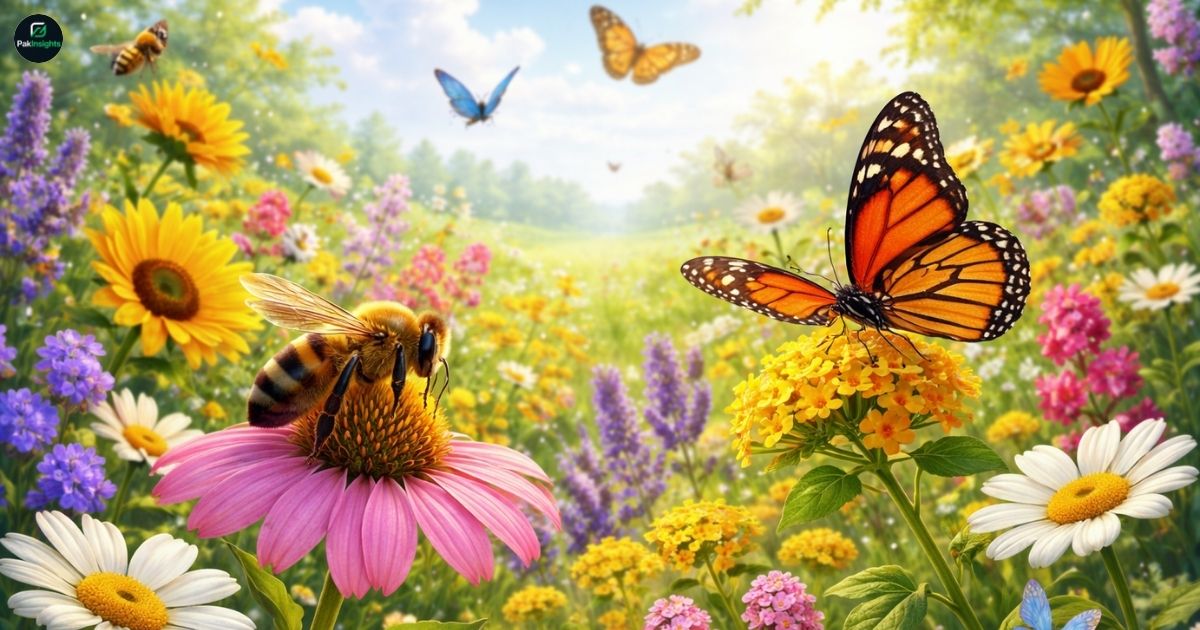
Pollinators are nature’s tiny helpers, and their role is more crucial than most people realize. From your morning coffee to the apples in your lunch, pollinators like bees and butterflies make it possible for plants to produce food. The importance of pollinators in the United States cannot be overstated. They support flowering plant reproduction, maintain biodiversity, and boost agricultural productivity and pollinators. Without them, both food security and ecosystems would face serious risks.
In addition to food, pollinators provide ecological services worth $200 billion in the U.S. each year. They help working forests, farms, and ranches stay productive. Species such as bees, hummingbirds, butterflies, bats, beetles, and ants all contribute to nectar and pollen feeding, moving pollen between the anther and stigma of plants. The result is new seeds, healthy plants, and thriving ecosystems. Celebrating National Pollinator Week reminds us to value these essential creatures and protect them for future generations.
Why Bees, Butterflies, and Other Pollinators Are Essential for Global Food Security and Ecosystem Balance
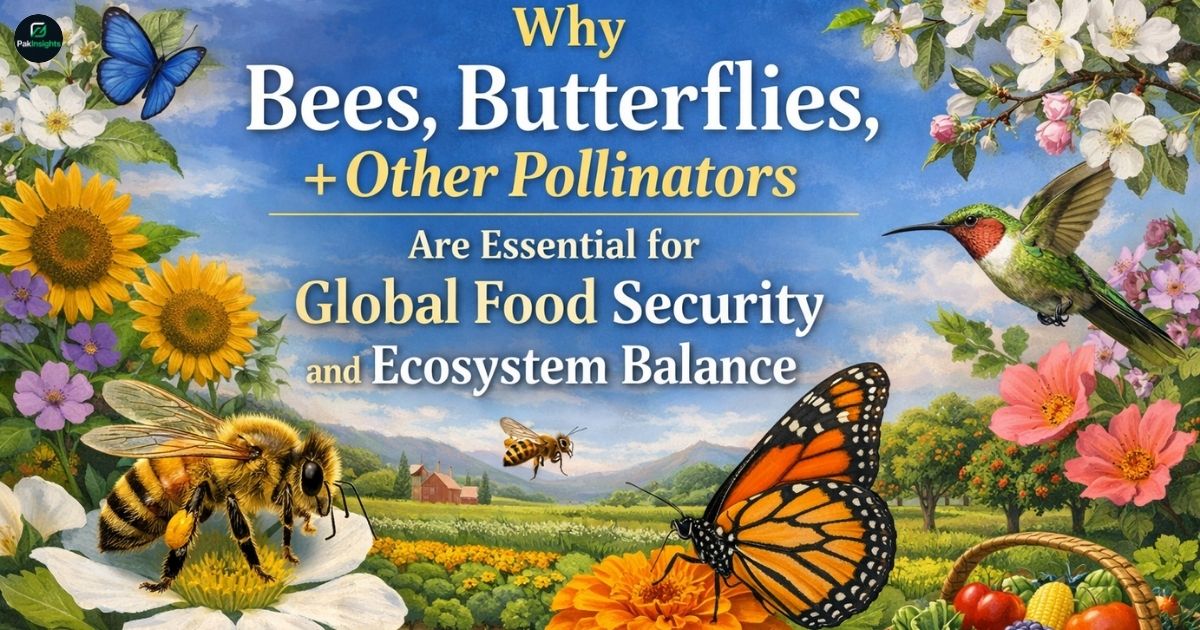
Pollinators are vital for food crops dependent on pollination. One out of every three bites of food Americans eat relies on insects or animals for reproduction. Crops like almonds, blueberries, apples, pumpkins, and coffee depend heavily on honey bee pollination. Even native pollinator species contribute significantly, helping maintain genetic diversity and resilience in plants. This food web ecosystem role connects insects to birds, reptiles, and mammals, keeping ecosystems in balance. Biodiversity and food webs rely on pollinators as much as our dinner plates do.
The economic benefits of pollinators are enormous. Experts estimate the economic value of pollination in the U.S. exceeds $200 billion annually. These creatures support agricultural productivity and pollinators, ensuring higher yields on farms and rangelands. Bees and butterflies are critical not only to large commercial farms but also to small gardens and urban green spaces. In addition, flowering plant co-evolution shows how plants and pollinators have adapted together over millions of years, creating stronger ecosystems that sustain both wildlife and humans.
Table: Key Pollinators and Their Contributions
| Pollinator | Crops Supported | Notes |
|---|---|---|
| Honey Bees | Almonds, Apples, Blueberries | Honey bees pollinate 80 percent of flowering plants |
| Monarch Butterflies | Milkweed, Wildflowers | Vital for monarch butterfly migration |
| Hummingbirds | Tomatoes, Peppers | Key for hummingbirds and nectar feeding |
| Beetles, Ants, Bats | Tropical and native plants | Assist beetles, ants, bats as pollinators |
Major Threats to Pollinator Populations and Their Impact on Agriculture and Biodiversity
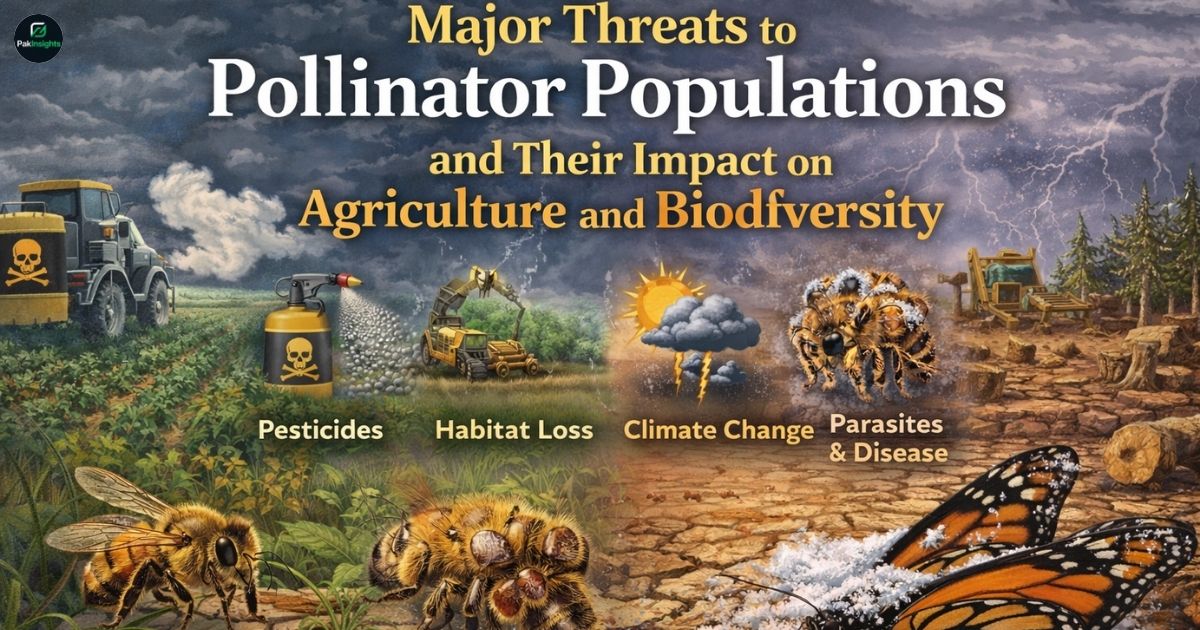
Pollinator populations are declining rapidly across North America. Pollinator population decline in North America affects both the environment and the economy. Habitat loss from urban expansion, agricultural monocultures, and milkweed habitat loss has removed vital food and nesting sites. Environmental stressors like diseases and parasites affecting bees, pesticides, and environmental contaminants further threaten species survival. The monarch butterfly population decline is a well-known example, where numbers dropped from one billion to 34 million in just 25 years.
The consequences extend beyond wildlife. Declining pollinators reduce yields in crops, affecting farmers’ income and agricultural productivity and pollinators. Many U.S. crops, including 130 types of fruits and vegetables, may see reduced quality and quantity without pollination. Birds, mammals, and other species that rely on pollinators for food are also impacted, disrupting the food web ecosystem role. Protecting pollinators is not just a conservation issue but a matter of economic and environmental stability.
Diagram Idea: Cause and Effect
Habitat Loss + Pesticides + Disease → Pollinator Decline → Lower Crop Yields → Economic Impact
Practical Ways to Protect Pollinators and Promote Sustainable Environmental Practices
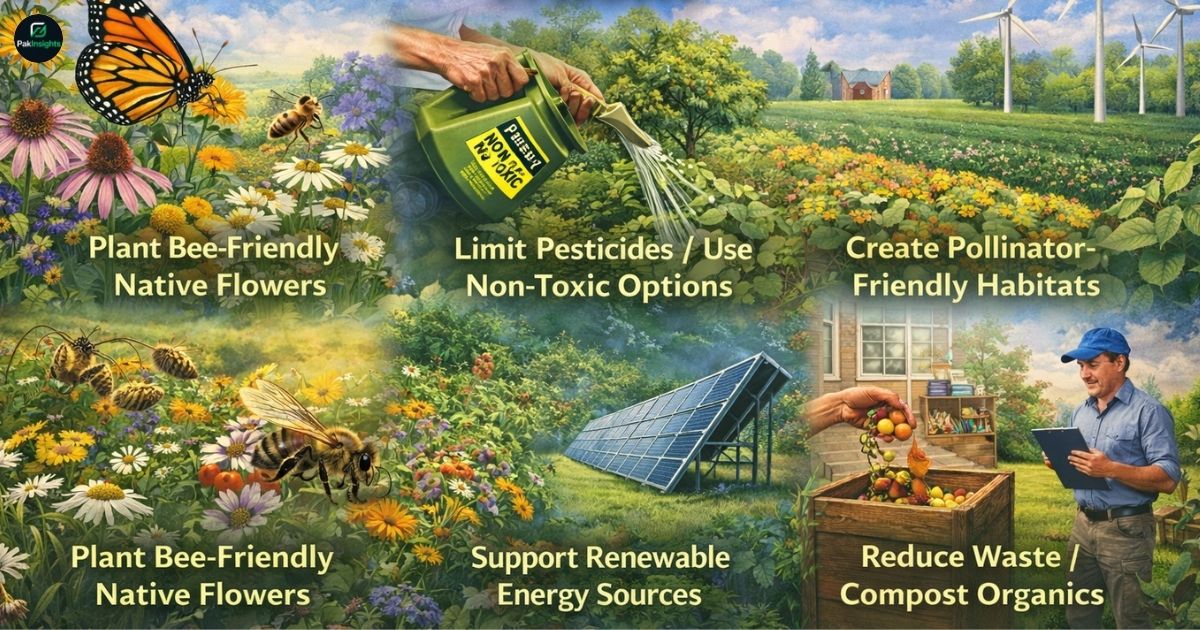
Protecting pollinators starts with individuals and private landowner conservation efforts. Planting milkweed and nectar plants supports butterflies, while native flowering plants aid bees. Urban gardens, backyards, and farms can all become pollinator-friendly rangelands. Reducing pesticide use and avoiding harmful chemicals allows pollinators to thrive and continue their pollen transfer process effectively.
Farmers and ranchers benefit from NRCS Working Lands for Wildlife programs and USDA conservation programs. Initiatives like the 2018 Farm Bill provide Farm Bill conservation funding for habitat restoration and sustainable farming practices. Studies, such as the Montana State University pollinator study, show that rest-rotation grazing benefits both livestock and pollinator populations. By combining science-backed conservation with sustainable farming methods, we can ensure healthier soils, cleaner water, and productive farms. Communities, schools, and citizens celebrating National Pollinator Week can all participate, creating a network of conservation practices for pollinators that secure food, biodiversity, and natural beauty for generations to come.
Frequently Asked Questions
Q1: What is the importance of pollinators in the United States?
Pollinators support flowering plant reproduction, boost crop yields, and provide ecological services worth $200 billion annually.
Q2: How do bees affect American agriculture?
Honey bees pollinate 80 percent of flowering plants, helping produce fruits, vegetables, nuts, and other food crops dependent on pollination.
Q3: Why are monarch butterflies declining?
Monarch butterfly migration is threatened by milkweed habitat loss, pesticides, and climate changes reducing their food sources.
Q4: How can homeowners protect pollinators?
Plant milkweed and nectar plants, avoid harmful chemicals, and create pollinator-friendly rangelands in gardens or yards.
Q5: What happens if pollinators disappear?
Loss of pollinators causes lower crop yields, weaker ecosystems, and disrupted food web ecosystem roles, affecting wildlife and humans alike.