
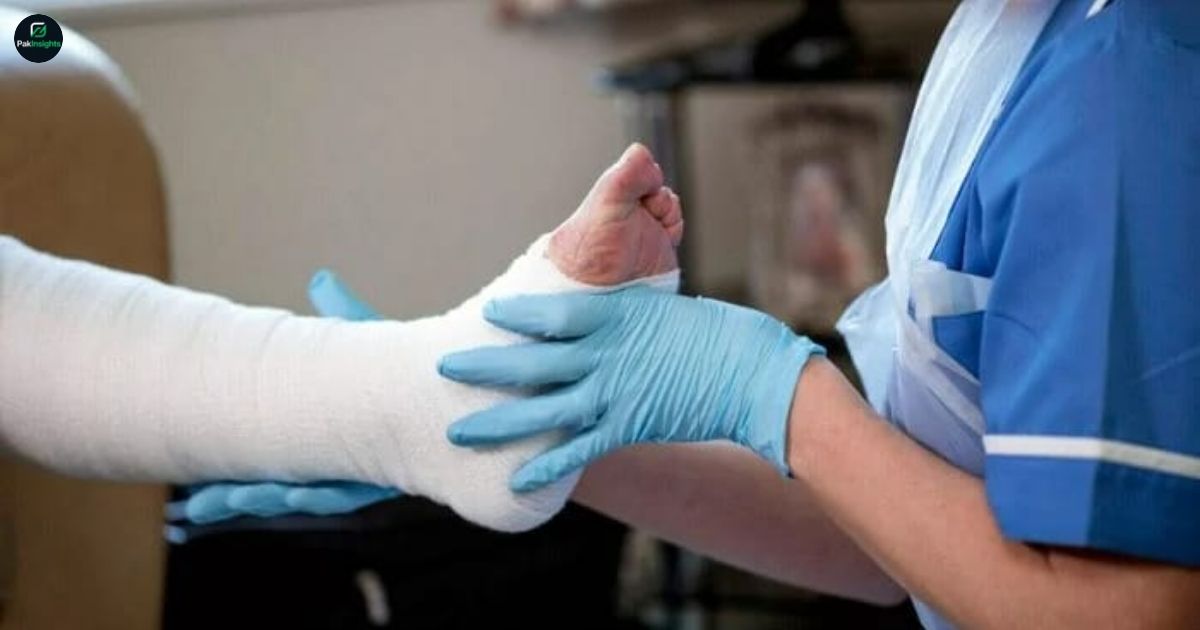
New Oxygen-Delivering Gel Offers Hope for Faster Healing of Diabetic Wounds, providing a promising solution for chronic wound care. This innovative gel, developed by researchers at UC Riverside, delivers oxygen directly to deep tissue layers, improving tissue regeneration and reducing wound inflammation. By addressing hypoxia, the gel enhances healing and lowers the risk of infections in wounds.
Chronic wounds, including diabetic foot ulcers, affect millions worldwide and often require months to heal. Oxygen deficiency in deep tissue slows recovery and increases amputation risk. The new hydrogel therapy combines water with a biocompatible, antibacterial choline liquid. Connected to a small battery, the gel functions as an on-site oxygen producer through electrochemical oxygen production. This continuous oxygen delivery ensures sustained tissue regeneration and faster wound closure.
In preclinical trials, diabetic mice experiments showed dramatic results. Untreated wounds often worsened, but weekly-replaced oxygen patches helped wounds fully close in about 23 days. The flexible soft gel conforms to each wound, reaching areas with severe oxygen deficiency and reducing inflammation. Beyond healing, the choline component helps modulate immune responses, preventing excessive tissue damage. Findings were published in Nature Communications Materials, highlighting the gel’s potential as a chronic wound hypoxia solution.
Researchers led by Iman Noshadi believe this diabetic wound care innovation may also support lab-grown tissue constructs and organ regeneration. If adopted widely, it could prevent amputations and improve the quality of life for patients with persistent wounds.
In conclusion, this oxygen-delivering gel represents a breakthrough in chronic wounds management, offering hope for faster healing and better infection prevention in diabetic wounds.