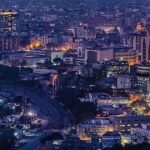
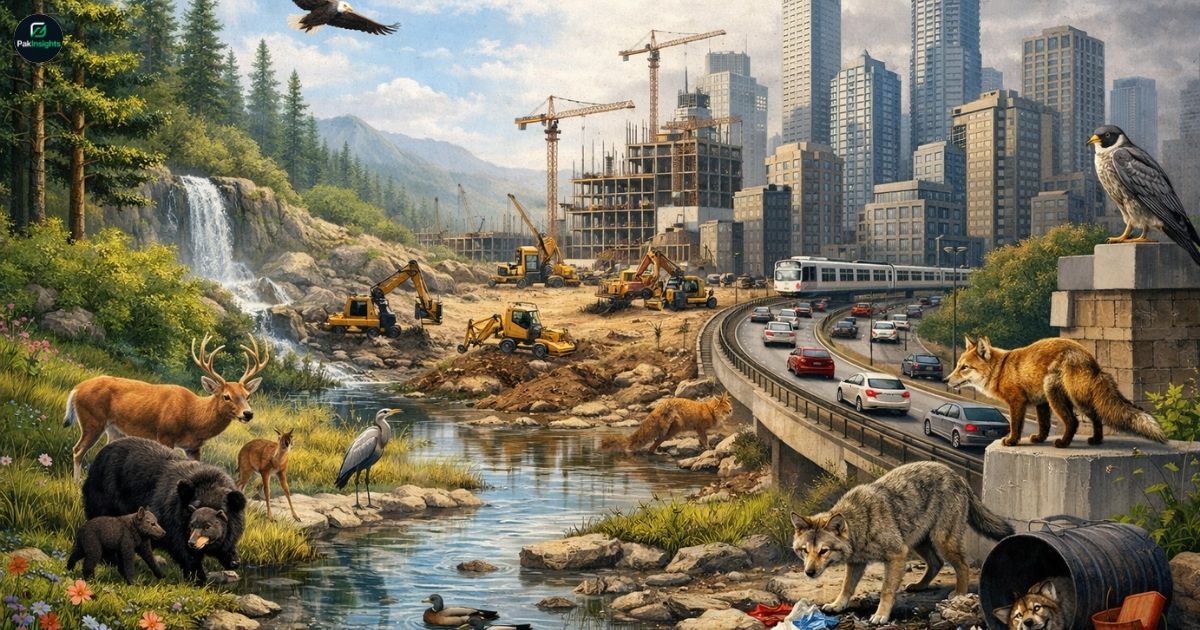
Urban areas in the USA are growing faster than ever. This urban expansion has changed the way animals live and interact with their environment. Urban growth is transforming wildlife in many ways, from habitat loss and deforestation to shifts in animal behavior. Cities replace natural ecosystems with concrete infrastructure, forcing species to adapt or move. Some animals, like raccoons and coyotes, have learned to survive near humans, while others face severe risks of extinction.
Urban wildlife brings both challenges and opportunities. While some animals struggle with the disappearance of natural habitats, others thrive in parks, gardens, and green spaces. The way humans plan cities can either harm or help animals. Urban conservation efforts, including wildlife corridors and protected green spaces, are key to keeping ecological balance intact. By understanding these changes, people can create sustainable cities where humans and animals coexist safely.
Habitat Destruction and Biodiversity Loss Caused by Urban Development
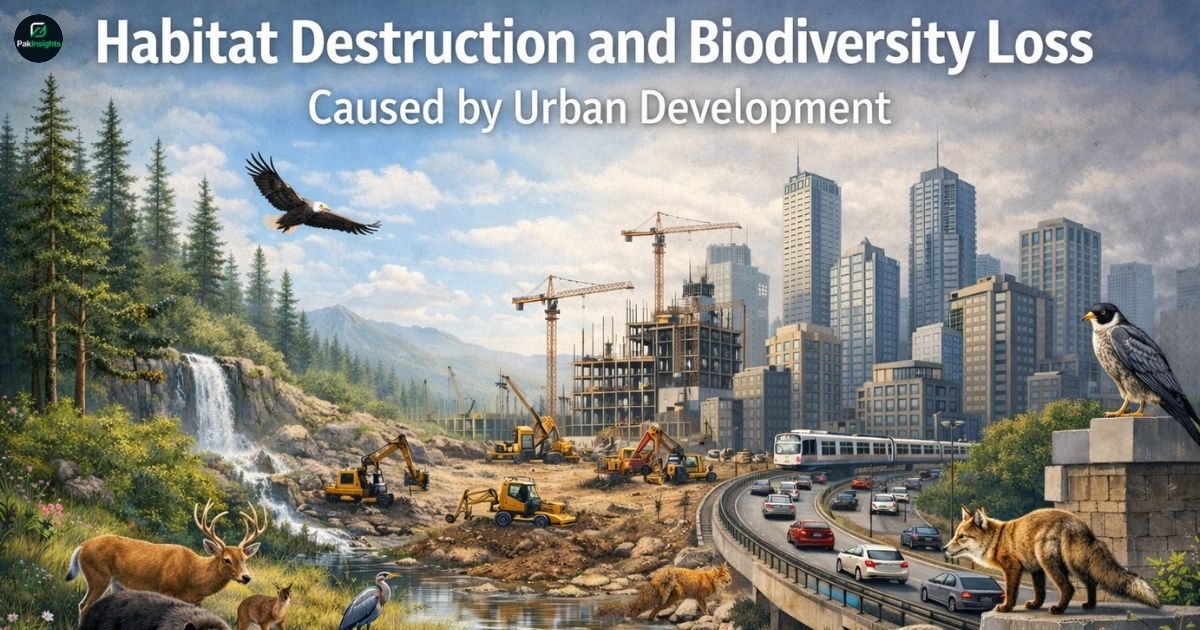
Every new building or road can destroy natural habitats. In the USA, expanding suburbs and highways have led to severe biodiversity loss. Animals like black bear cubs and small mammals lose access to food sources and safe nesting areas. Deforestation for urban development breaks up continuous forests into small fragments. This forces species to move into unsafe areas, often closer to humans, creating more human-wildlife conflict.
Some animals show remarkable animal adaptation, such as raccoons navigating city trash or birds nesting on rooftops. However, many species cannot cope. Endangered species in cities, including certain owls, foxes, and amphibians, are particularly at risk. Maintaining wildlife corridors, parks, and gardens in urban zones helps preserve ecological balance. A study by the National Wildlife Federation shows that areas with connected green spaces have 30% higher survival rates for urban-adapted species than areas with scattered green patches.
| Species | Urban Threats | Adaptation Examples |
|---|---|---|
| Coyote | Habitat fragmentation | Active at night, uses alleyways |
| Raccoon | Food scarcity | Uses trash bins and rooftops |
| Black bear cubs | Vehicle collisions | Move to forested edges of cities |
Pollution, Climate Stress, and Human-Wildlife Conflict in Expanding Cities
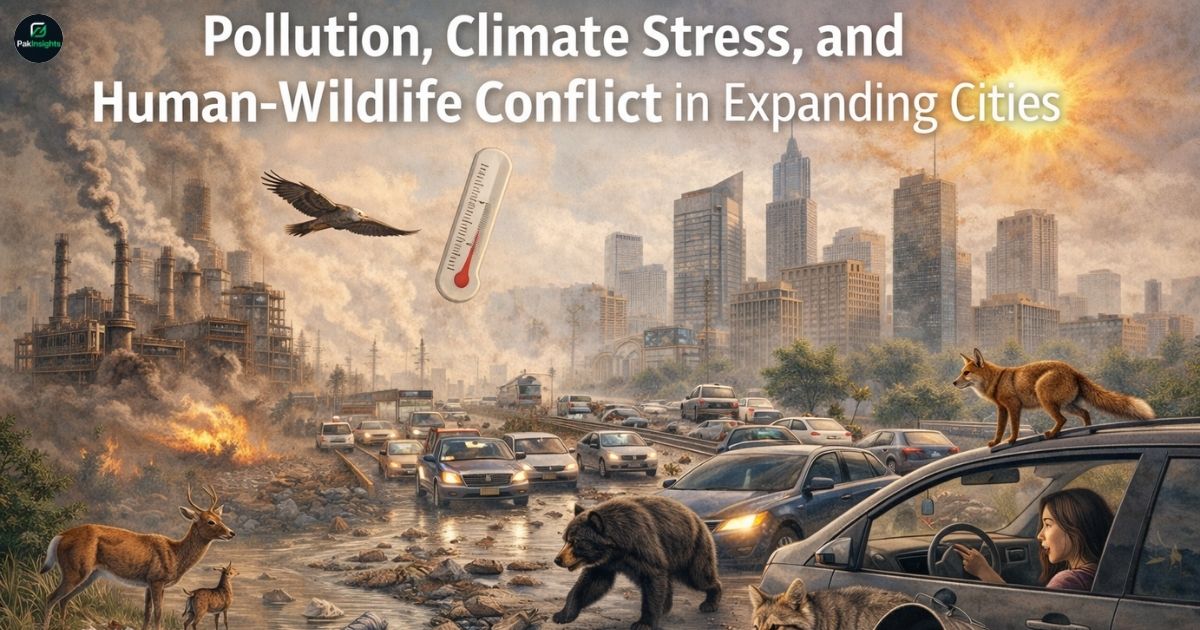
Urban growth is transforming wildlife by introducing new stressors like air pollution, noise, and heat. Exposure to man-made stressors such as vehicles, streetlights, and industrial activity can harm animals’ health. Rising temperatures from the urban heat island effect force species to adjust their routines or habitats. Vehicle collisions with animals and increased encounters with humans add danger for both wildlife and city residents.
Many urban species show unique animal behavior changes to survive. Coyote populations may hunt at night, while raccoons forage near garbage disposal sites. Humans also feel the effects through decreased mental well-being caused by wildlife conflicts or lost green areas. Efforts to improve air quality and create safe spaces for animals can reduce these conflicts. Simple measures like wildlife-resistant bins, keeping pets on leash, and avoiding feeding wild animals help cities maintain urban environment sustainability.
Sustainable Urban Planning: Protecting Wildlife Amid City Expansion
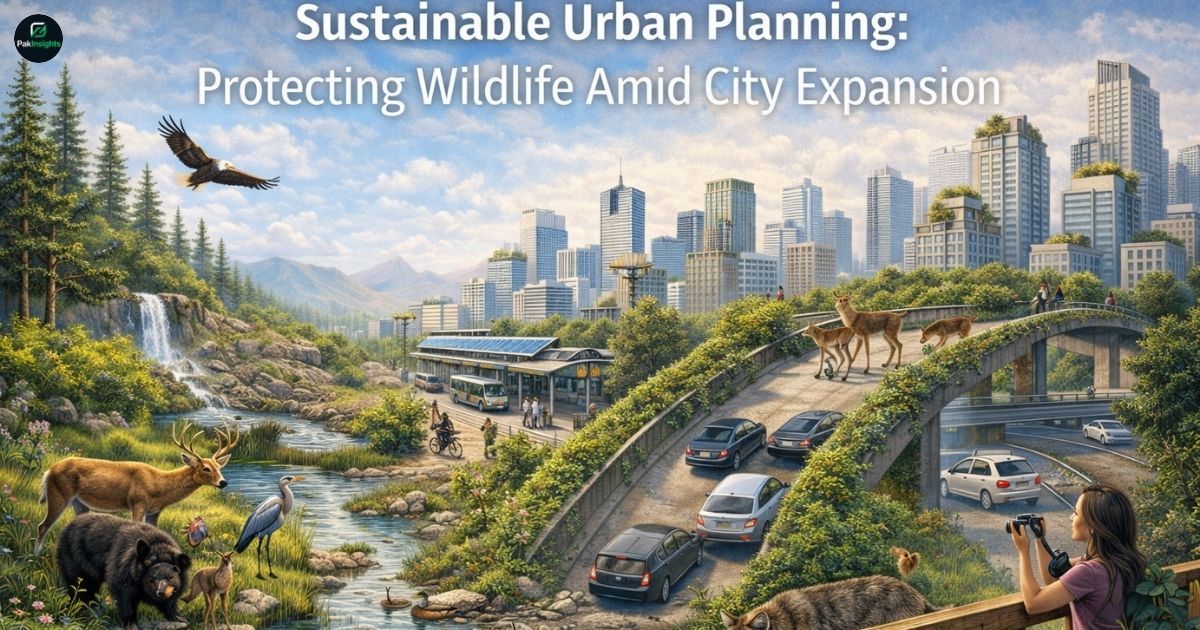
Smart city design can help balance growth with wildlife needs. Urban conservation strategies include adding green spaces, restoring wetlands, and creating wildlife corridors. These efforts allow animals to move safely between habitats, reducing human-wildlife conflict. City planners, developers, and residents all play a role in achieving urban environmental sustainability. Responsible leadership by government planners ensures that new construction respects natural ecosystems.
Integrating nature into urban life has multiple benefits. Parks and gardens offer recreational opportunities and improve mental well-being for humans. Native plants provide food sources and shelter for birds, insects, and mammals. Programs like rooftop gardens and urban wetlands support climate adaptation and urban resilience. By prioritizing coexistence with animals and wildlife management, cities in the USA can transform the way humans and wildlife live together while promoting sustainable cities.
Urban growth doesn’t have to destroy wildlife. By understanding how urban expansion impacts natural ecosystems and using smart city planning and nature, communities can protect animals like coyotes, raccoons, and even black bear cubs. Careful planning, urban conservation, and small actions such as proper garbage disposal, keeping pets on leash, and maintaining green spaces can ensure that urban growth is transforming wildlife in positive ways.
Frequently Asked Questions
Q1: How does urban growth affect wildlife?
Urban growth reduces natural habitats, causes biodiversity loss, and forces animals like coyotes and raccoons to adapt to city life.
Q2: What is habitat loss?
Habitat loss happens when forests, wetlands, and grasslands are replaced by concrete infrastructure and buildings.
Q3: Can wildlife survive in cities?
Yes, some species show animal adaptation, but many face risks without green spaces and wildlife corridors.
Q4: What is human-wildlife conflict?
It occurs when animals and humans clash over food sources, territory, or safety, often in urban areas.
Q5: How can cities protect wildlife?
Through urban conservation, parks and gardens, safe wildlife corridors, and responsible city planning.