
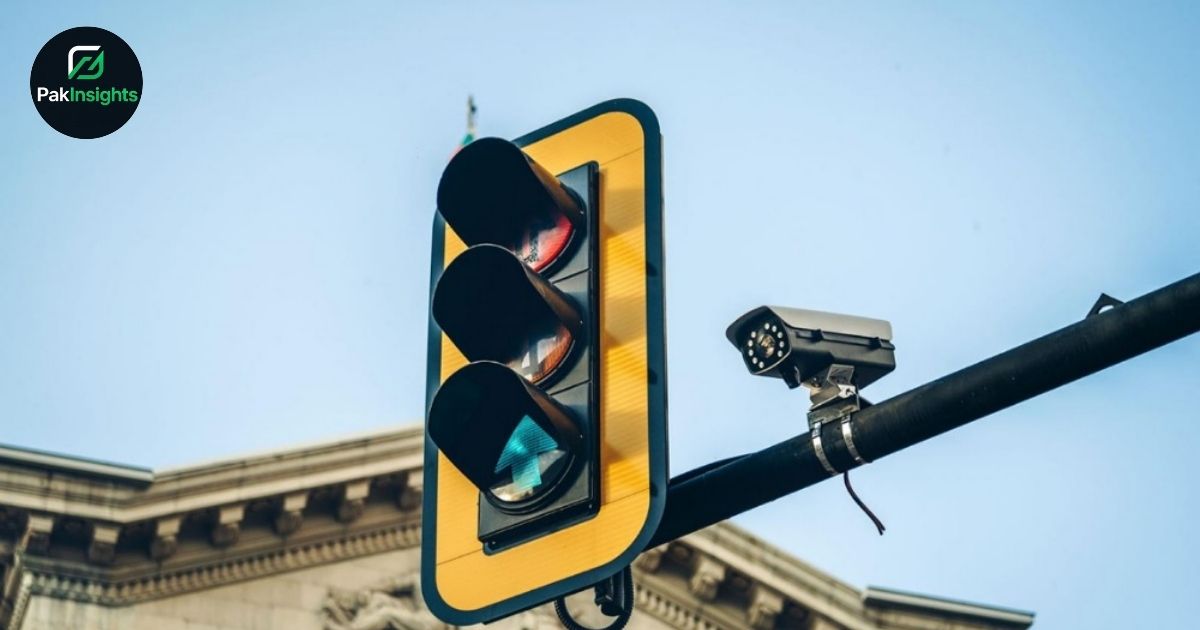
Karachi, Pakistan’s largest city, is facing long-standing challenges with traffic congestion and rising road accidents. The city’s traffic police have launched a bold plan to transform how people move around. The focus is on smart traffic signals, better roads, and commuter-friendly options like bike lanes. With these changes, Karachi aims to reduce delays, improve safety, and make travel easier for everyone. The city’s approach also sets an example for urban centers worldwide facing similar traffic issues.
The reforms come under the supervision of the Karachi Traffic Management Company. Their goal is to combine traffic engineering with digital enforcement tools to streamline vehicle flow across major corridors. Early data shows that new systems like the e-challan system are already cutting monthly traffic accidents and encouraging drivers to follow rules. Investments of Rs. 7.5 million (signal cost) per unit for 400 units / Rs. 3 billion (total investment) reflects the city’s seriousness. Local businesses, represented by the Karachi Chamber of Commerce and Industry, have welcomed these technology-driven upgrades as a long-term solution for urban mobility.
Modernizing Karachi’s Roads: Smart Traffic Signals and Technology
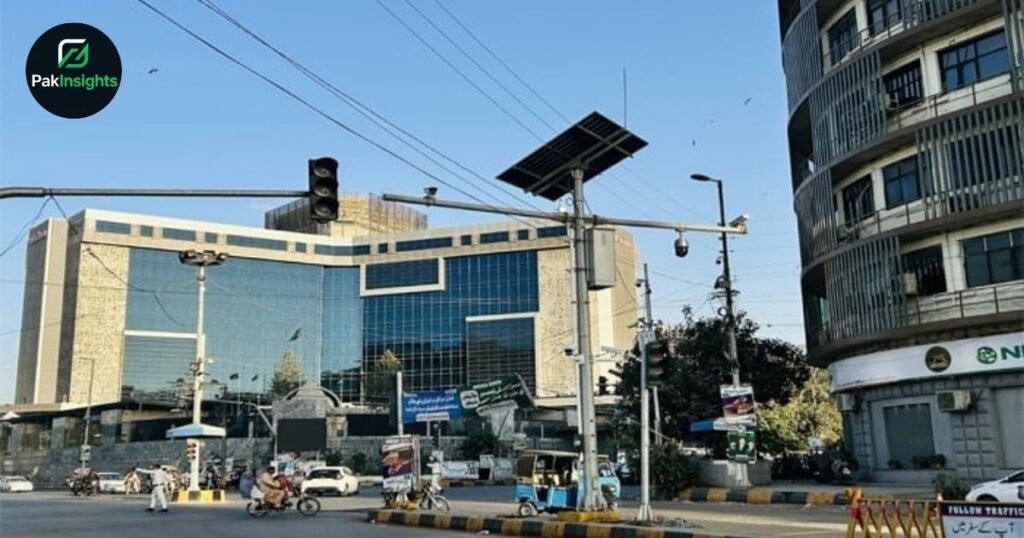
Karachi is introducing smart traffic signals across its busiest streets. Each signal is designed to monitor traffic in real-time and adjust timings automatically. This means less waiting at lights and smoother vehicle flow during peak hours. The signals are part of digital reforms supervised by DIG Traffic Karachi / Peer Muhammad Shah. They also integrate with e-challan systems, which help traffic police enforce laws efficiently. Early results show a sharp decline in monthly traffic accidents, proving that technology can make streets safer.
The city plans to install these systems on major corridors, covering areas where congestion and accidents have historically been the worst. Each unit costs Rs. 7.5 million (signal cost), and 400 units / Rs. 3 billion (total investment) are expected for full coverage. The signals connect with cameras and sensors to detect bottlenecks, monitor traffic flow, and even prioritize emergency vehicles. By combining traffic management, digital enforcement, and modern traffic engineering, Karachi is creating one of the most advanced urban traffic systems in South Asia.
| Feature | Details |
| Units Planned | 400 |
| Cost per Unit | Rs. 7.5 million |
| Total Investment | Rs. 3 billion |
| Supervising Body | Karachi Traffic Management Company |
| Key Benefits | Reduce congestion, lower accidents, real-time traffic data |
Building a Safer and Greener Karachi: Bike Lanes and Infrastructure Improvements
Karachi is also focusing on making streets safer for pedestrians and cyclists. New bike lanes and widened sidewalks are part of the initiative. The city is repairing old roads and improving intersections to reduce road accidents. Policies are encouraging people to use eco-friendly transport, reducing pollution in busy urban areas. With these changes, Karachi is moving towards a commuter-friendly environment where everyone can travel safely and efficiently.
The benefits go beyond safety. Improved roads and bike lanes help reduce traffic congestion and make transport faster. For instance, well-marked bike lanes encourage cycling, which eases pressure on cars and buses. Combined with motorcyclist rules / Shahrah-e-Faisal enforcement, facilitation centers, and an updated fine structure, the system ensures compliance. Long-term plans include double-decker buses and electric buses, further promoting sustainable transport. These technology-driven upgrades demonstrate that urban planning, safety, and environmental care can coexist in a modern city.
Community Engagement and Future Outlook
The city educates drivers on motorcyclist rules / Shahrah-e-Faisal and encourages feedback on traffic management reforms. With smart traffic signals, improved roads, and sustainable options like bike lanes, Karachi is setting a new standard.
Karachi’s example can inspire other cities globally, showing that investing in smart traffic signals, modern traffic engineering, and sustainable infrastructure is both feasible and impactful. The integration of technology, enforcement, and citizen participation makes this overhaul a model for urban mobility solutions across South Asia and beyond.
Frequently Asked Questions
Q1: What is Karachi’s Traffic Overhaul?
Karachi’s Traffic Overhaul is a city-wide plan to modernize roads and traffic systems. It includes smart traffic signals, dedicated bike lanes, improved intersections, and digital tools like the e-challan system to reduce traffic congestion and road accidents.
Q2: How will smart traffic signals improve commuting in Karachi?
The smart traffic signals use real-time data to adjust light timings, reducing bottlenecks on major corridors. This improves vehicle flow, decreases waiting times, and ensures smoother travel for drivers, cyclists, and pedestrians.
Q3: Who is responsible for implementing the traffic reforms?
The Karachi Traffic Management Company, along with DIG Traffic Karachi / Peer Muhammad Shah, oversees the rollout. They coordinate traffic engineering projects, monitor compliance, and supervise digital enforcement measures.
Q4: Are bike lanes part of the traffic overhaul?
Yes, these upgrades promote safer commuting, reduce congestion, and encourage sustainable transportation in the city.
Q5: How much is being invested in smart traffic signals?
Each signal costs Rs. 7.5 million (signal cost), and 400 units / Rs. 3 billion (total investment) are planned. This investment aims to modernize major corridors and improve overall traffic management.
Meta Description
Karachi’s Traffic Overhaul brings smart signals, bike lanes, and safer, smoother commuting for residents and visitors alike.