
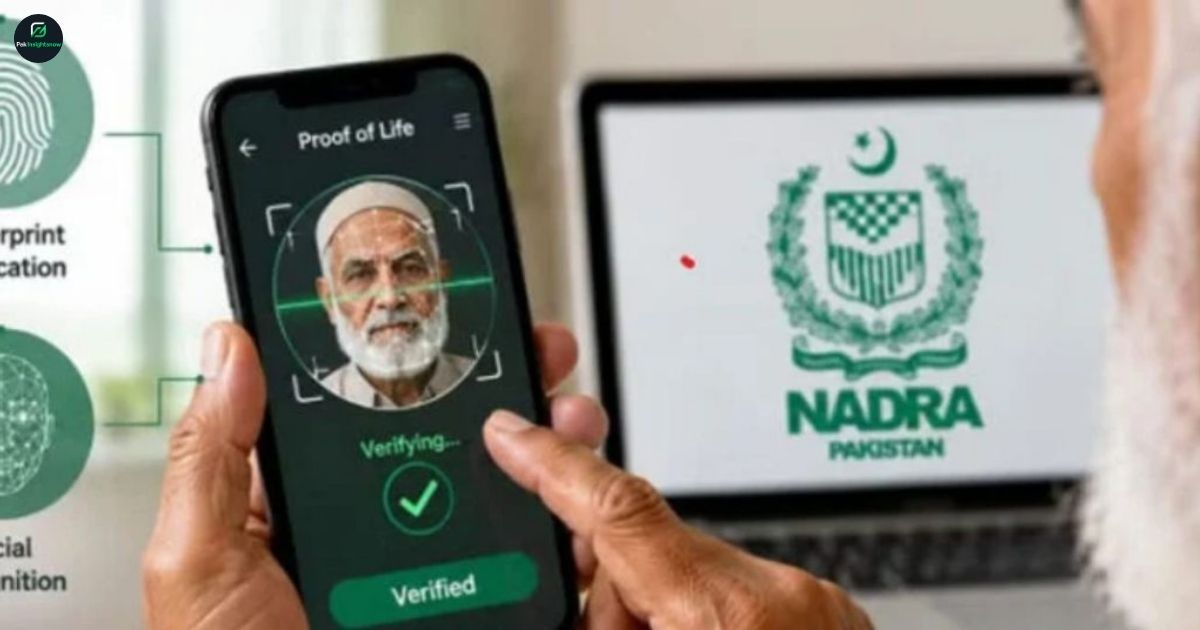
Pakistan is moving toward a more modern pension verification model that would allow pensioners to confirm their identity through facial recognition technology from home. The goal is to reduce unnecessary office visits, long queues, and delays that often make routine pension verification stressful for older citizens.
What the new system is trying to solve
Traditional pension verification can be difficult for elderly people, especially those who have mobility issues or live far from administrative offices. A facial recognition process can make the system faster by confirming identity digitally instead of requiring repeated in-person visits.
If the rollout works as planned, pensioners should be able to complete more of the process from home or with much less travel. That matters because even small administrative tasks can become a serious burden for people who depend on pension income every month.
Why this update matters
A digital verification system is important not only for convenience but also for efficiency. It can reduce pressure on government counters, cut waiting times, and lower the chance of documentation errors that sometimes slow down pension payments.
For citizens, this is a practical example of how public services can move away from paper-heavy workflows. For the government, it is also a way to modernize identity checks while improving service delivery.
What pensioners should watch for
- Official rollout dates and eligibility rules
- Which pension categories are included first
- Whether any mobile app or portal needs to be used
- Backup verification steps for people who cannot use face matching easily
- Helpline or support options if identity checks fail
Those details matter because new digital systems often launch in stages. Even if the headline sounds simple, the real process may still depend on agency rules, technical readiness, and local support.
Final takeaway
The facial recognition pension idea is a strong step toward simpler public service delivery, especially for people who struggle with travel and paperwork. If implemented well, it could make the pension process faster, easier, and much more user-friendly.
For now, pensioners should follow only the official announcements and wait for the rollout instructions before assuming the new process is active for everyone.