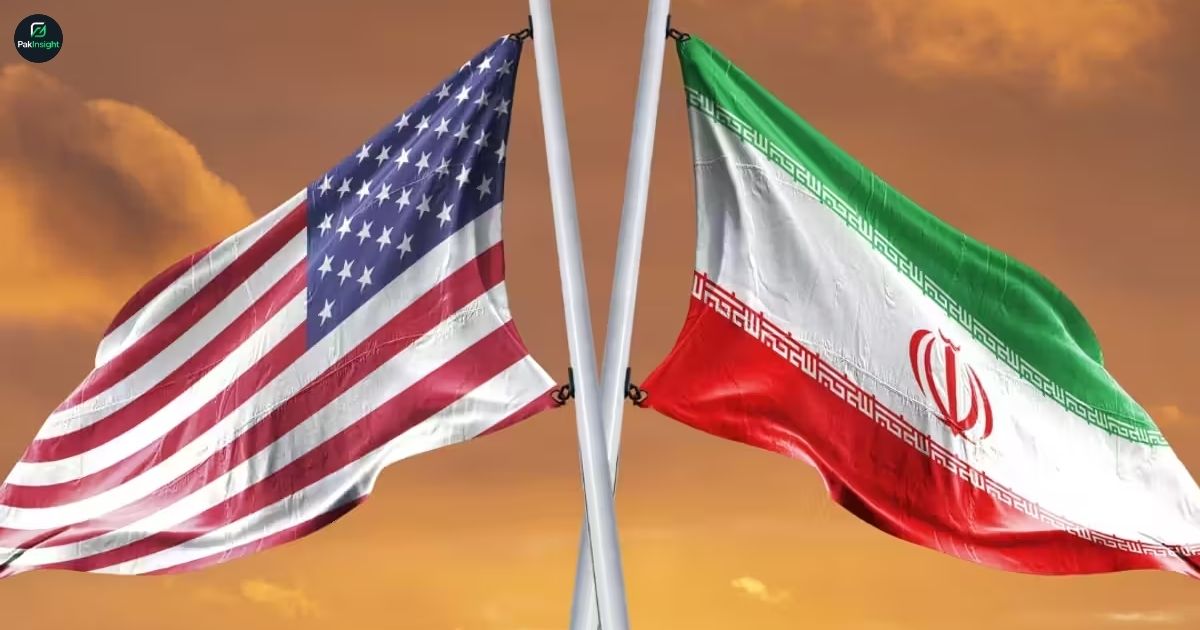
Pakistan’s economic risk is rising sharply under a prolonged US-Iran conflict scenario, with S&P Global warning that Pakistan could face the most severe macroeconomic impact in the Asia-Pacific region if tensions escalate further.
According to a recent assessment by S&P Global Market Intelligence, Pakistan’s economy is highly exposed to external shocks due to its dependence on imported energy, remittance inflows from Gulf countries, and ongoing financing pressures. The report highlights that a sustained Middle East conflict could significantly weaken growth, strain fiscal stability, and increase inflationary pressure across the country.
S&P Global projects Pakistan’s real GDP growth could slow to around 3.2% in fiscal year 2027 if the geopolitical situation remains unstable. The outlook carries strong downside risks, especially if global oil prices surge and trade disruptions persist.
Energy dependence and external pressure
A major concern driving Pakistan’s economic risk is the country’s heavy reliance on imported crude oil, largely sourced from Gulf Cooperation Council (GCC) countries. Any disruption in the Middle East could immediately push up global energy prices.
Higher oil prices would directly increase Pakistan’s import bill. This would widen the current account deficit and put pressure on the Pakistani rupee. In turn, inflation could remain elevated for a longer period, affecting household budgets and business costs.
The report notes that even recent improvements in external balances could quickly reverse under sustained energy shocks.
Remittances and trade vulnerabilities
Pakistan also depends heavily on remittances from workers in Gulf countries. S&P Global warns that any slowdown in Gulf economic activity could reduce remittance inflows, which are a key source of foreign exchange reserves.
At the same time, supply chain disruptions and rising transportation costs could hurt Pakistan’s exports. Manufacturing sectors are expected to face higher input costs, especially industries reliant on imported fuel and raw materials.
Agriculture could also feel indirect pressure. The report highlights risks of fertilizer shortages and increased production costs, which may affect crop yields and rural incomes.
Inflation and fiscal challenges
Another key dimension of Pakistan’s economic risk is inflation. Rising global oil prices are expected to create second-round inflationary effects across transport, food, and retail sectors.
Household consumption may weaken as purchasing power declines. This could slow down growth in the services sector, which contributes a significant share to Pakistan’s GDP.
On the fiscal side, the government may face difficult choices. Maintaining economic stability while meeting International Monetary Fund (IMF) program conditions could become more challenging if external financing tightens.
External financing pressure remains high
Despite some short-term relief from deposits and loan rollovers from friendly countries, Pakistan’s external financing needs remain large. The report estimates annual gross external financing requirements at around $24 billion between 2026 and 2030.
A recent $3.5 billion repayment to the United Arab Emirates highlights the ongoing pressure on foreign reserves. Any delay in refinancing or fresh inflows could increase vulnerability further.
S&P Global warns that without stable bilateral or multilateral support, Pakistan may struggle to manage overlapping shocks from energy prices, debt repayments, and inflation.
Outlook
While policymakers have previously managed to stabilize macroeconomic conditions through IMF-backed reforms and fiscal adjustments, the report suggests that a prolonged US-Iran conflict could significantly weaken these gains.
Pakistan’s economic outlook will largely depend on global energy prices, regional stability, and continued external financial support. In a worst-case scenario, Pakistan economic risk could rise sharply, making growth recovery slower and more uneven in the coming years.