
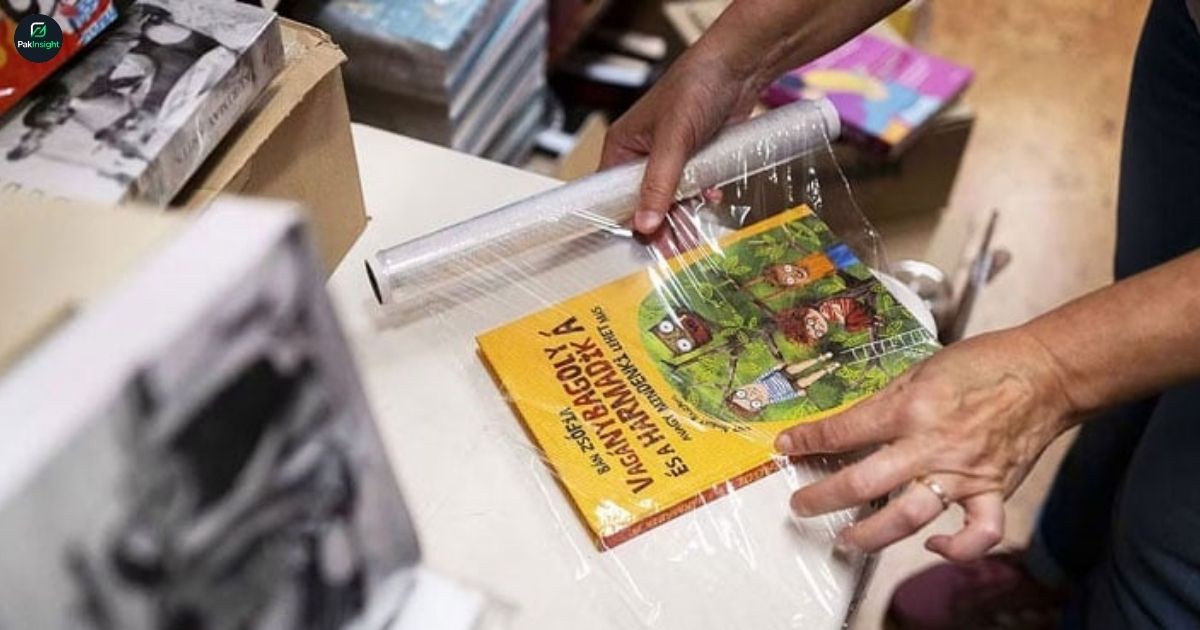
Pakistan has moved to reduce plastic waste by introducing restrictions on plastic book covers in Islamabad. The new measure targets the growing environmental damage caused by non-recyclable plastic materials used in schools and educational institutions.
The decision came after the National Assembly passed a bill highlighting the harmful impact of plastic book covers on public health and the environment. Officials said Pakistan produces millions of tonnes of plastic waste every year, much of which cannot be recycled properly.
The legislation discourages schools and students from using plastic wraps for books. Authorities want educational institutions in the federal capital to shift toward eco-friendly alternatives such as paper, cloth, and biodegradable materials.
Lawmakers argued that many people wrongly believe plastic covers are the best way to protect books. Environmental experts say these materials add to pollution, block drainage systems, and damage wildlife and water resources.
The move reflects Pakistan’s broader efforts to control plastic pollution. Earlier, the Sindh government also introduced a province-wide ban on plastic bags, including in Karachi. Authorities warned that violations could lead to legal action, fines, and arrests.
Environmental experts welcomed the latest step and stressed the importance of public awareness campaigns. They said reducing single-use plastic in schools could help build environmentally responsible habits among students at an early age.
Parents and educators are now expected to explore safer and reusable options for covering books before the next academic session.
The government believes the shift toward sustainable materials can reduce waste while promoting cleaner cities and healthier communities across Pakistan. Islamabad bans plastic book covers as Pakistan promotes eco-friendly alternatives to reduce pollution and environmental waste.