Pakistan petrol prices may see a possible decline in the coming days after developments linked to the Strait of Hormuz, according to remarks from Pakistan’s energy leadership. The reopening of the key global oil route has raised expectations of easing pressure on international crude markets, which could eventually reflect in domestic fuel costs.
The Strait of Hormuz is one of the most important oil shipping routes in the world. Any disruption or reopening of this passage often influences global oil supply, prices, and market stability. With recent regional de-escalation and restoration of maritime activity, energy markets are now closely watching potential price adjustments.
Hormuz Reopening and Global Oil Impact
The Strait of Hormuz connects major oil-producing countries in the Middle East to global markets. Around one-fifth of the world’s oil supply passes through this narrow waterway.
When tensions rise in the region, oil prices usually increase due to supply concerns. Similarly, when stability returns, prices often ease as supply risks reduce.
Recent reports confirm that the waterway has resumed normal commercial operations following diplomatic efforts and ceasefire-related developments. This has helped reduce uncertainty in global energy markets.
As a result, crude oil prices in international markets have shown signs of stability, creating room for potential relief in importing countries like Pakistan.
Government Signals Possible Relief
Federal Minister for Energy Awais Ahmed Khan Leghari stated that Pakistan may benefit from the improved situation in global oil supply routes. He suggested that the reopening of the Strait of Hormuz could help bring down fuel import costs.
He added that ongoing diplomatic efforts led by Prime Minister Shehbaz Sharif, along with broader regional coordination, have contributed to improved stability.
According to the minister, lower global oil prices and smoother LNG supply chains could support future adjustments in domestic energy tariffs. However, he did not announce an immediate price cut, emphasizing that final decisions depend on international market trends and exchange rate movements.
What It Means for Consumers in Pakistan
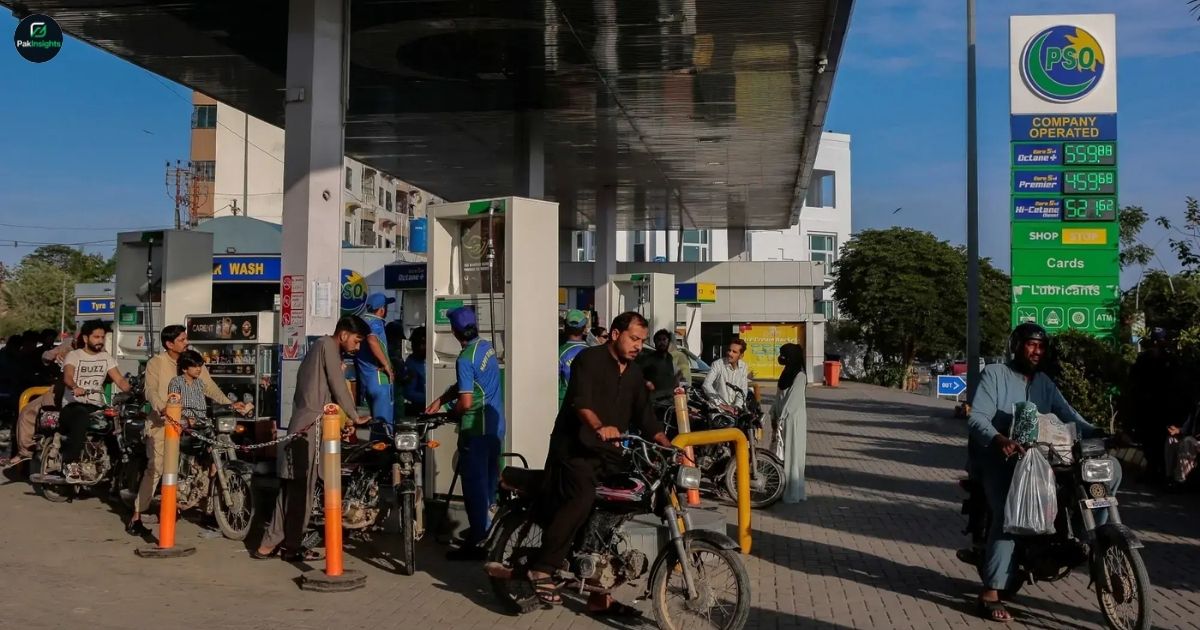
For ordinary citizens, any change in global oil prices directly affects transport and energy costs. Pakistan imports most of its petroleum products, so international market shifts play a major role in local pricing.
If crude oil prices continue to remain stable or decline, Pakistan may adjust petrol and diesel prices downward in the upcoming reviews. However, other factors such as currency exchange rates, taxes, and import premiums also influence final fuel prices at the pump.
Energy analysts say the impact of the Hormuz reopening will take time to fully reflect in domestic markets. Oil pricing mechanisms are usually updated on a fortnightly basis in Pakistan.
At the same time, improved fuel supply conditions may also help stabilize electricity generation costs, especially where imported LNG is used.
Regional Stability and Market Outlook
The easing of tensions in the Middle East has been welcomed by global markets. The Strait of Hormuz remains a strategic chokepoint, and its stability is closely linked to global energy security.
Pakistan’s leadership and Asim Munir’s role in regional military and diplomatic developments are cited in stability discussions.
Energy experts say that if the region stays calm, global oil volatility may gradually decrease.