
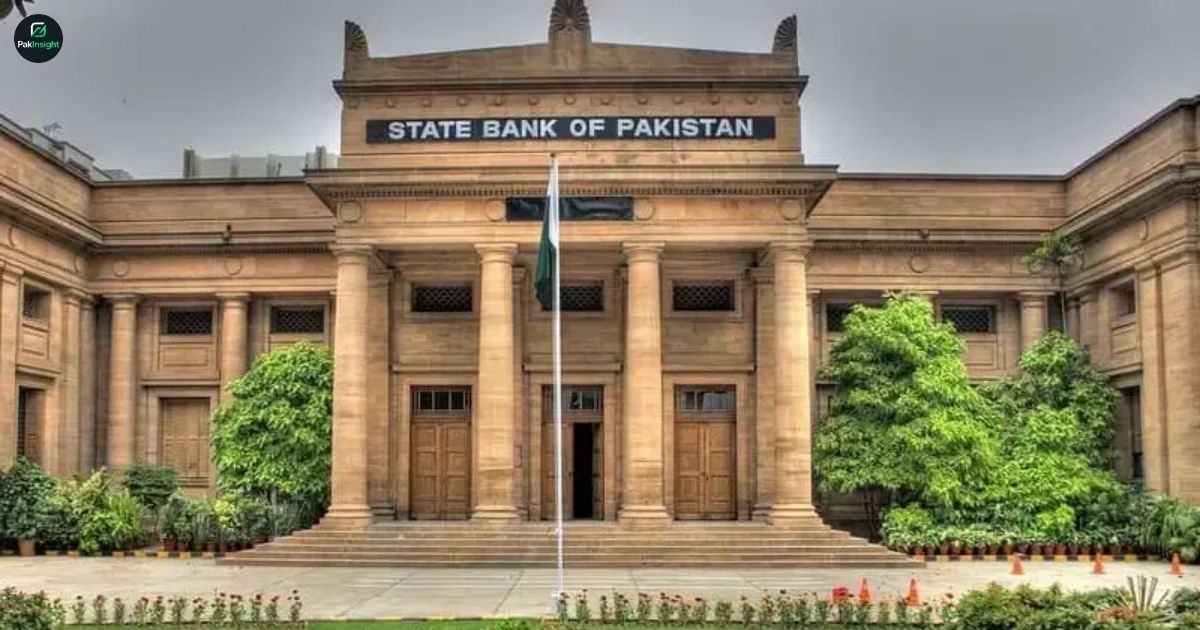
The State Bank of Pakistan (SBP) has raised the SBP policy rate by 100 basis points to 11.50%, signaling a cautious stance as economic pressures build. The decision comes at a time when inflation remains persistent and global uncertainties continue to affect Pakistan’s economy.
The central bank said the move aims to keep inflation under control and maintain overall economic stability. Consumer prices rose by 7.3% in March 2026, showing that price pressures are still present despite earlier signs of easing.
The latest data also shows a mixed economic picture. On the positive side, Pakistan recorded a current account surplus of $1.07 billion in March. For the first nine months of the fiscal year, the surplus stands at $174 million. This reflects some improvement in the external sector, supported by steady inflows and controlled imports.
However, global factors remain a key concern. Rising tensions in the Middle East have pushed up oil prices, increasing the cost of fuel imports. This directly affects transportation and production costs in Pakistan, which may lead to higher prices for essential goods in the coming months.
Economists believe the SBP policy rate hike is a preventive step. By tightening monetary policy, the central bank aims to anchor inflation expectations and avoid further economic instability. Higher interest rates can slow down borrowing and spending, which helps reduce inflation but may also impact business activity and growth.
In its previous meeting, the SBP had kept the policy rate unchanged at 10.5%. The latest increase reflects a shift in strategy as new risks emerge on both domestic and global fronts.
Despite the rate hike, some indicators show resilience. Foreign exchange reserves have improved, reaching $16.3 billion by late February. Meanwhile, large-scale manufacturing recorded slight growth, and GDP expanded by 4.8% in the first half of the fiscal year.
The central bank maintains that its current approach is balanced. It aims to control inflation without derailing economic recovery. Future decisions will depend on incoming data, especially trends in inflation, global oil prices, and external account stability.