
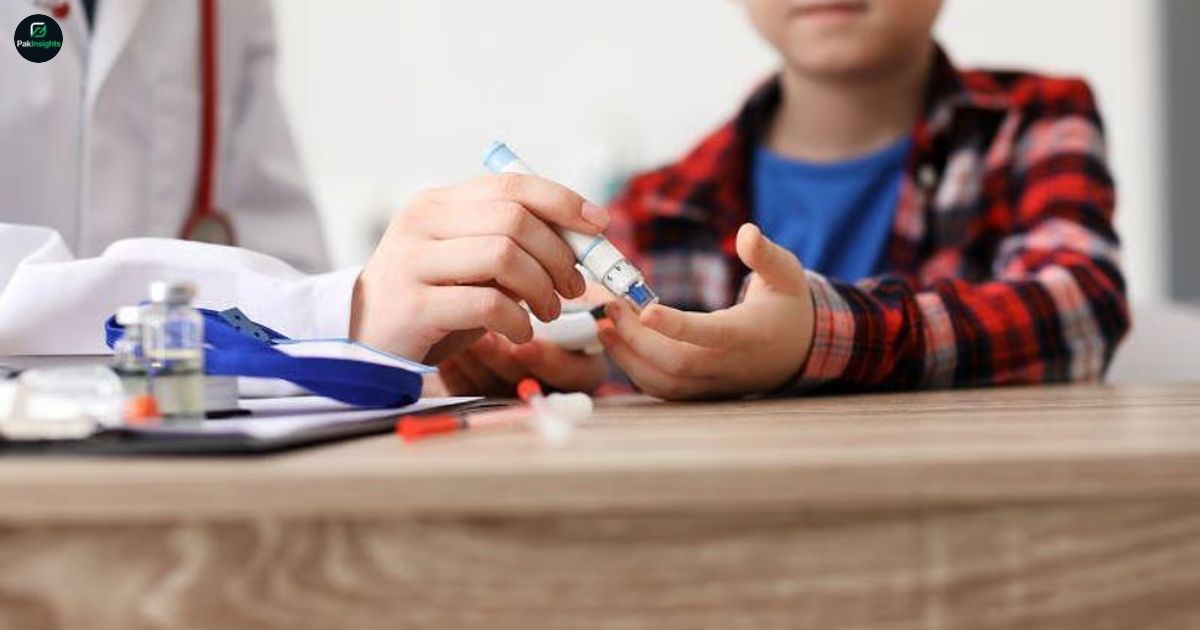
A new diabetes pill for children has shown promising results, offering hope for younger patients struggling to control blood sugar. Danish pharmaceutical company Novo Nordisk announced that its oral GLP-1 drug significantly improved blood sugar levels in children and teenagers with type 2 diabetes.
The late-stage clinical trial involved 132 patients aged 10 to 17 and lasted 26 weeks. According to the company, children who took the pill saw a notable reduction in their average blood sugar compared to those given a placebo. Researchers described the results as statistically meaningful, marking an important step in pediatric diabetes treatment.
This trial stands out because it is the first time an oral GLP-1 therapy has been tested successfully in younger patients. These drugs are already widely used in adults for diabetes and, more recently, weight loss. Extending their benefits to children could change the early treatment of the condition.
Type 2 diabetes, once rare among children, is now rising globally, including in countries like Pakistan. Lifestyle changes, unhealthy diets, and reduced physical activity have contributed to the increase. Many families struggle to manage the condition, especially when treatment options remain limited.
Currently, doctors rely mainly on medicines like metformin or insulin therapy. Metformin often fails in adolescents, and insulin can cause low blood sugar and weight gain. This creates a clear need for safer and more effective alternatives.
The new pill contains semaglutide, a compound already used in well-known treatments such as Ozempic and Rybelsus. If approved for younger patients, it could become the first oral GLP-1 drug available for children with type 2 diabetes.
Novo Nordisk plans to seek regulatory approval in the United States and Europe later in 2026. If successful, it could make treatment easier for children and reduce the burden on families.
Health experts say early treatment is key to preventing complications like heart disease and kidney problems later in life. In countries like Pakistan, where healthcare access varies, oral treatment could make diabetes management easier for many families.