
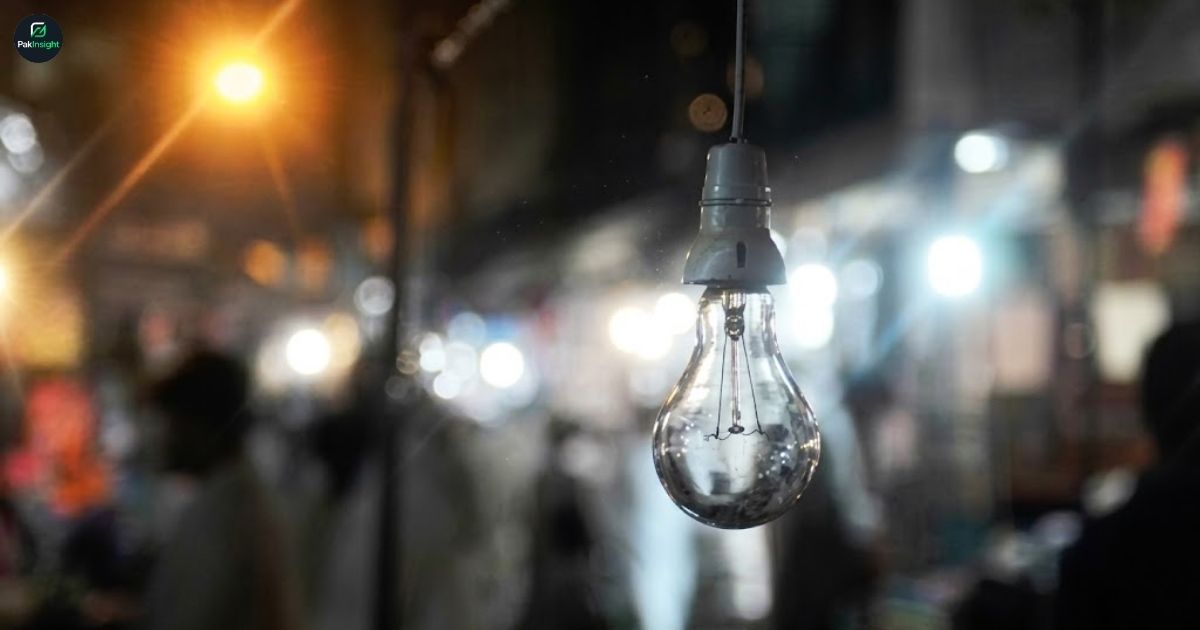
Karachi’s load shedding has intensified, with residents across multiple neighborhoods reporting electricity outages lasting 12 to 16 hours amid rising temperatures. The situation has added severe pressure on daily life as a persistent heatwave grips the city.
Residents say prolonged and unannounced outages have disrupted normal routines in several parts of Karachi, including Azizabad, Malir, Gadap, Kathore, Ahsanabad, Liaquatabad, Manzoor Colony, Sher Shah, and Baldia. In many areas, families are struggling to manage without electricity during peak summer conditions.
The worsening conditions have also triggered public frustration, with some communities taking to the streets to protest extended power cuts. Citizens are demanding immediate action from the electricity supplier, K-Electric, as the outages continue without clear schedules or prior notice.
Residents struggle amid extreme heat
The ongoing heatwave has made the impact of Karachi’s load shedding far more severe. Temperatures remain high throughout the day, increasing health risks for children, elderly citizens, and outdoor workers.
Residents report that prolonged outages are affecting the water supply in several areas. Many neighborhoods rely on electric pumps, which stop working during power cuts. This has created additional hardship, especially in densely populated localities.
Students preparing for examinations are also facing difficulties. Many say they are unable to study during the day or at night due to prolonged power outages. Families with school-going children have expressed concern over the impact on academic performance during exam season.
In several households, people are forced to spend long hours outdoors or in open spaces to escape the heat inside their homes. Fans and cooling systems remain non-functional for most of the day, worsening discomfort.
Protests and growing public frustration
As outages continue, frustration among residents has turned into protests in some parts of the city. In Azizabad, groups of residents gathered on the streets to express anger over the prolonged load shedding. Protesters included men, women, and children demanding immediate relief.
Citizens argue that unannounced power cuts have made it impossible to plan daily life. Many say they are unable to carry out basic household tasks or work remotely due to inconsistent electricity supply.
The situation has also raised concerns among small business owners. Shops and local businesses report financial losses due to reduced working hours and damaged goods caused by frequent power interruptions.
Residents across affected areas are urging authorities and K-Electric to stabilize the power supply and improve transparency in load shedding schedules. They stress that immediate steps are needed as the city continues to face extreme summer conditions.
For now, Karachi continues to struggle under the combined pressure of rising temperatures and extended power outages, with no clear timeline for relief.