
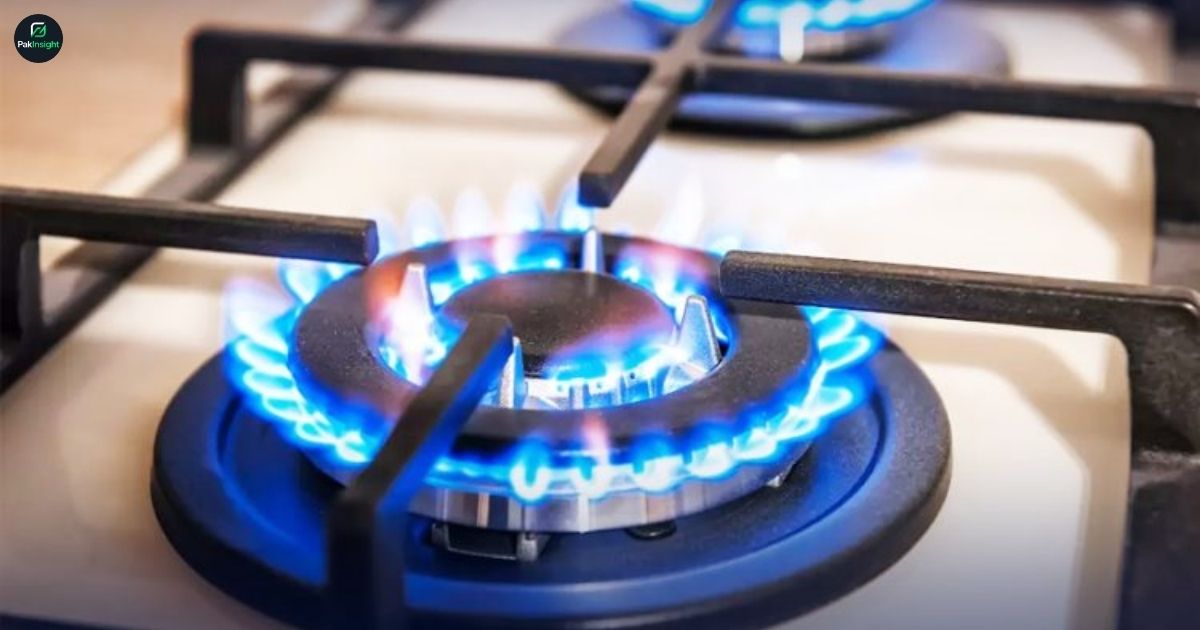
The government has enforced a fresh gas connection ban across Pakistan, stopping new domestic and commercial connections due to rising costs and supply pressure.
Officials from the Ministry of Petroleum confirmed that the decision applies nationwide. The move comes months after authorities briefly lifted a previous restriction to ease energy shortages.
According to sources, all new connections were being issued on imported RLNG (Regasified Liquefied Natural Gas). This fuel is significantly more expensive than locally produced natural gas, making it difficult for consumers to manage rising bills.
Consumers who recently applied for new connections were already facing steep costs. Demand note charges increased sharply, while priority connections added extra fees. In many cases, applicants had to pay close to Rs. 50,000 to secure a new RLNG-based connection.
Officials say the high price of RLNG is a major concern. Its tariff is linked to global crude oil rates, which remain volatile. This has made long-term affordability a challenge for both households and businesses.
Energy experts believe the decision reflects deeper supply constraints. Pakistan’s natural gas reserves have been declining, while demand continues to rise, especially during peak winter months.
The government has not announced a timeline for lifting the ban. However, authorities are exploring alternative solutions, including imported energy and conservation measures, to manage the growing demand.
For now, the suspension is expected to impact new housing projects, small businesses, and commercial setups that rely heavily on gas connections for daily operations.