
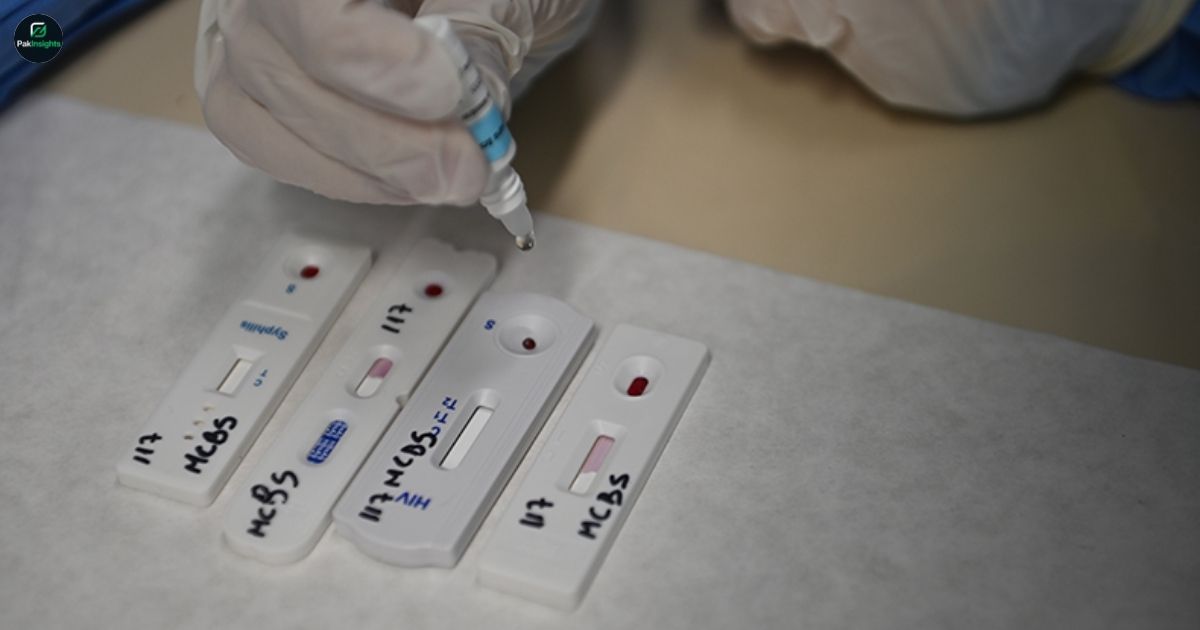
Liver Disease in Pakistan has become a growing public health concern as new data highlighted by the Pakistan Medical Association (PMA) shows a sharp rise in hepatitis infections and related complications across the country.
On World Liver Day, the PMA issued a warning about the increasing burden of liver-related illnesses, stressing that millions of people may already be living with undiagnosed infections. Health experts say the situation is being driven by low awareness, poor screening, and unhealthy lifestyle habits.
High burden of hepatitis in Pakistan
According to PMA Secretary General Abdul Ghafoor Shoro, Pakistan is among the countries most affected by viral hepatitis worldwide. He estimated that around 13.8 to 15 million people are currently living with Hepatitis B or Hepatitis C.
Out of these, nearly 9.8 to 10 million cases are linked to Hepatitis C alone, making it one of the most widespread infections in the country. Another 3.8 to 4 million people are believed to be suffering from chronic Hepatitis B.
Health officials warn that the real numbers may be even higher because a large portion of infected individuals remain undiagnosed. Experts say only 25% to 30% of patients are aware of their condition, which creates a serious gap in early treatment and prevention.
The PMA also highlighted that liver diseases are not limited to viral infections. A rising number of cases are linked to metabolically dysregulated fatty liver disease, which is strongly associated with unhealthy diets, obesity, and sedentary lifestyles.
Doctors say this condition is increasingly affecting younger populations due to rising consumption of processed foods, sugary drinks, and a lack of physical activity.
Rising deaths and growing health risks
Medical experts estimate about 37,000 deaths annually in Pakistan from liver diseases like cirrhosis and liver cancer. These deaths are often preventable if diseases are detected early and treated properly.
Doctors also warn that unsafe medical practices continue to contribute to the spread of hepatitis. These include unsafe blood transfusions, reuse of syringes, and poorly sterilized medical equipment in some healthcare settings.
PEC’s GET Program placed 1,700 engineers in 60+ firms across Pakistan with training and stipend under the PEC GET Program Jobs.
Call for preventive action
The PMA has urged citizens to adopt healthier lifestyle habits to reduce the growing burden of liver disease in Pakistan. These include reducing intake of oily and processed foods, limiting sugary beverages, and increasing daily physical activity.
Experts also stressed the importance of vaccination against Hepatitis B, safe blood screening, and strict sterilization of medical instruments. They say these steps can significantly reduce new infections if properly implemented nationwide.
Alongside individual responsibility, the PMA called on the government to strengthen healthcare infrastructure. This includes expanding diagnostic facilities, improving access to treatment, and launching nationwide awareness campaigns.
Health professionals believe that early detection is the most effective tool in controlling the spread of liver diseases. Regular screening, especially for high-risk groups, is strongly recommended.