
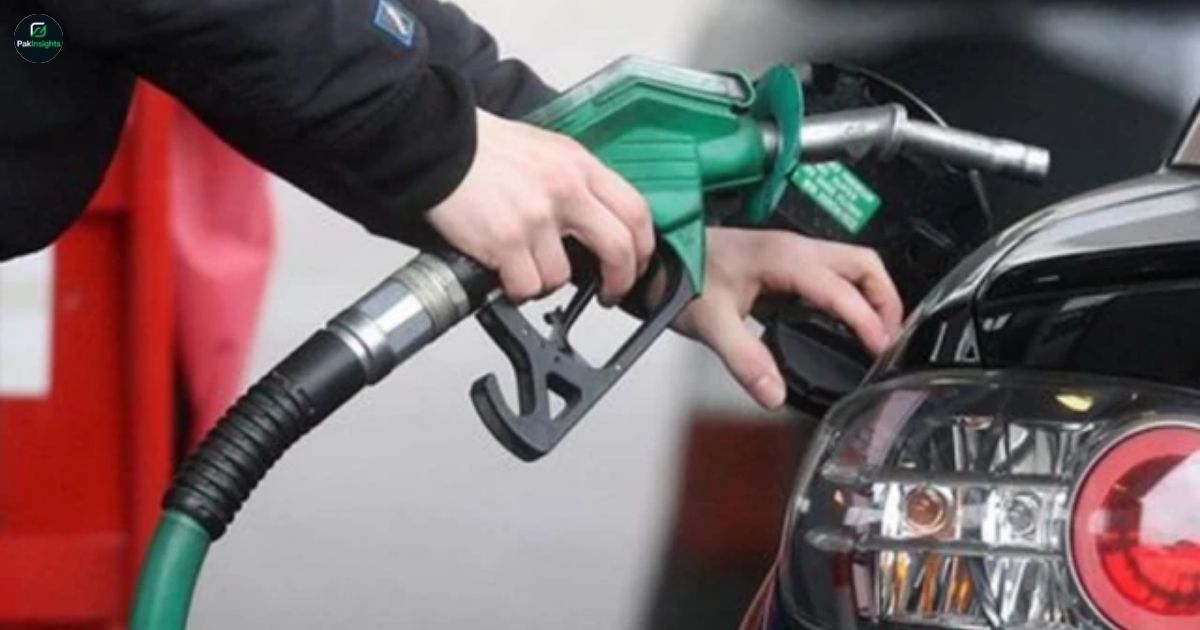
The Pakistan diesel price has seen a major relief for consumers after the government approved a significant reduction of Rs32.12 per litre, bringing some easing to transporters, businesses, and the general public across the country.
According to official updates shared on April 17, 2026, Prime Minister Shehbaz Sharif approved the price cut in high-speed diesel as part of ongoing adjustments linked to global oil market trends. After the revision, the new diesel price in Pakistan has been set at Rs353.43 per litre.
The government says the move aims to pass on international fuel price benefits directly to the public, especially at a time when inflationary pressure continues to affect daily life and transport costs.
Officials confirmed that the revised rate is applicable nationwide from midnight. The decision is expected to bring partial relief in transport fares and logistics costs, which heavily depend on diesel prices.
Government’s Position on Fuel Adjustment
Prime Minister Shehbaz Sharif stated that the government intends to ensure that reductions in global oil prices benefit ordinary citizens. He also indicated that further adjustments may follow depending on international market stability.
Earlier this month, fuel prices had seen sharp fluctuations due to global tensions and supply disruptions. However, recent stabilization in crude oil markets has allowed the government to revise domestic rates downward.
Energy officials explained that diesel remains one of the most sensitive fuel products in Pakistan’s economy, directly affecting goods transport, agricultural machinery, and freight operations. Even small changes in its price can influence overall inflation trends.
Impact on Public and Economy
The reduction in Pakistan’s diesel price is expected to slightly ease transportation costs. Trucking associations and goods carriers are likely to benefit the most, as diesel forms a major part of their operational expenses.
Experts say the cut gives short-term relief, but long-term stability depends on global oil prices and domestic fiscal changes.
Consumers, however, are cautiously optimistic. Many believe that consistent reductions in fuel prices could help stabilize inflation in the coming months.