
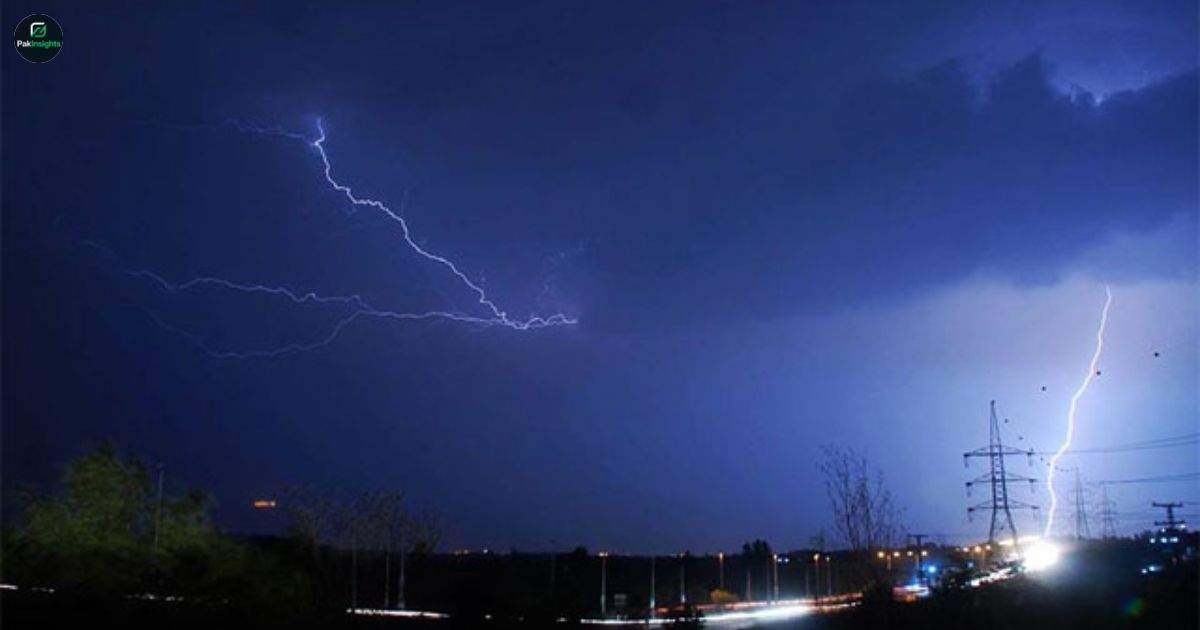
A Pakistan weather alert has been issued as thunderstorms, rain, and hail are expected to affect several parts of the country next week, according to the latest advisory from the National Disaster Management Authority.
The alert warns that unstable weather conditions may develop across northern and central Pakistan between April 12 and April 17, bringing strong winds, heavy showers, and isolated hailstorms in some areas. Authorities have advised citizens to stay updated as weather patterns may change rapidly during this period.
The National Disaster Management Authority has said that the incoming weather system is likely to impact multiple provinces, with varying intensity across regions.
Affected regions and weather outlook
According to the advisory, intermittent rainfall is expected in several areas of Punjab, especially in cities such as Lahore, Rawalpindi, Sialkot, and surrounding districts. Some areas may also experience thunderstorms accompanied by gusty winds and lightning.
In Khyber Pakhtunkhwa, rain and thunderstorms are expected in northern districts, including Swat, Dir, Chitral, and Abbottabad. Strong winds may also affect lowland areas such as Mardan and Nowshera, increasing the risk of power outages and temporary disruptions.
The advisory says parts of AJK and Gilgit-Baltistan may get rain, while higher areas could see snowfall. These conditions may create travel difficulties in mountainous areas.
Meanwhile, most of Sindh and Balochistan are expected to remain hot and dry. However, coastal areas may experience slightly moderated temperatures due to sea breezes, particularly in and around Karachi.
Possible risks and public safety concerns
Weather officials have warned that thunderstorms may bring lightning strikes, strong wind gusts, and occasional hail. These conditions can damage weak structures, uproot trees, and disrupt electricity supply in affected regions.
The advisory also notes that wet roads could increase the risk of traffic accidents, especially during heavy rainfall. In hilly areas, continuous rain may trigger landslides, posing additional risks for travelers and residents. People in risky areas should secure loose items, avoid travel, and stay away from trees and poles during storms.
Authorities advised the public to follow NDMA and weather updates during the forecast period. As the weather system approaches, emergency teams stay on alert for heavy rain, windstorms, and hail.