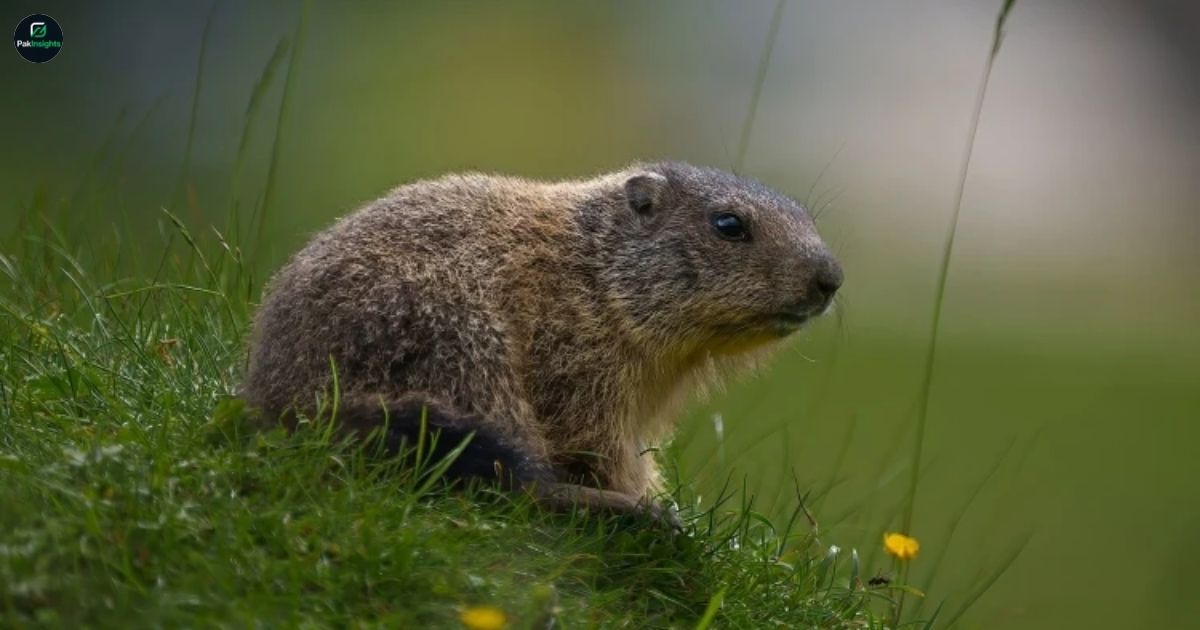
Marmots are some of the most interesting large ground squirrels in the Squirrel family (Sciuridae). Found in mountains and grasslands across North America, Europe, and Asia, these creatures are part of the Marmota genus. Their unique social behavior and seasonal activity make them stand out among other rodent species. Marmots are known for digging burrows and dens, hibernating through harsh winters, and eating a strict herbivorous diet. From the Alpine marmot in the Alps to the Yellow-bellied marmot in the Rocky Mountains, these animals fascinate scientists and nature lovers alike.
Marmots are more than just cute mountain dwellers. Their body mass and size vary greatly depending on the species, habitat, and season. For example, the Olympic marmot found in the Olympic Peninsula can weigh up to 8 kg in autumn, making it one of the heaviest seasonal hibernators among rodents. Their fur coloration often adapts to the environment, with lighter tones in open grasslands and darker coats in forested regions. Beyond physical traits, marmots display complex communication using communication whistles, alerting other social marmots to danger.
Understanding Marmots – Species and Characteristics
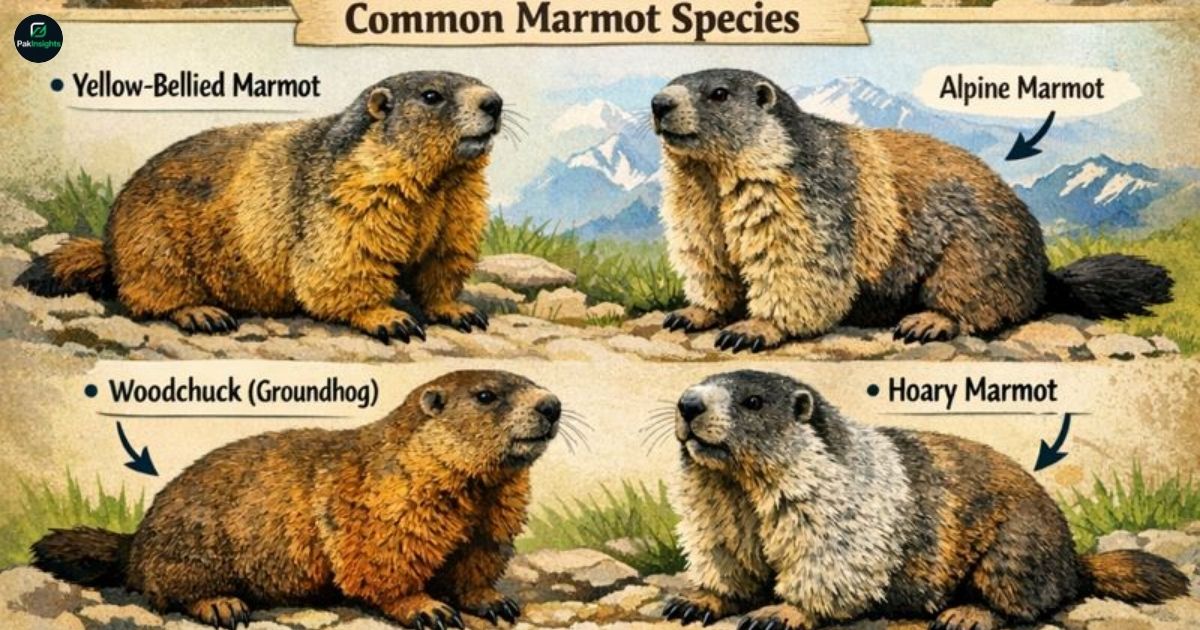
Marmots belong to the Marmota genus, which contains 15 recognized species, including Marmota marmota, Marmota monax, Marmota caligata, and Marmota flaviventris. These large ground squirrels are well adapted to mountainous and cold regions. Most have short, robust legs, enlarged claws for digging, and stout bodies, making them excellent burrowers. They share traits with groundhogs/woodchucks, although marmots are generally larger. Fossil evidence shows that extinct marmots and fossil species once roamed regions like North America and Siberia millions of years ago, revealing the evolution of their herbivorous diet and hibernation habits.
Among North American species, the Yellow-bellied marmot inhabits the Rocky Mountains, while the Olympic marmot is found only in the Olympic Peninsula. In Asia, species like Marmota himalayana thrive in the Himalayas, while Marmota sibirica is native to Siberia. Marmots are known for their social structure, living in groups and using alarm calls/whistles to warn each other of predators. They vary in body mass and size, from the smaller Alaska marmot (Marmota broweri) to the larger Olympic marmot, which demonstrates remarkable adaptability in marmot habitat.
| Species | Common Name | Distribution | Average Weight | Notes |
|---|---|---|---|---|
| Marmota marmota | Alpine marmot | Alps, Carpathians, Tatras, Pyrenees | 6–8 kg | Largest European marmot |
| Marmota flaviventris | Yellow-bellied marmot | Rocky Mountains, USA | 3–5 kg | Social and vocal |
| Marmota monax | Groundhog / Woodchuck | Canada, United States | 4–6 kg | Famous for hibernation |
| Marmota olympus | Olympic marmot | Olympic Peninsula, USA | 6–8 kg | Endemic species |
Marmot Habitat and Diet
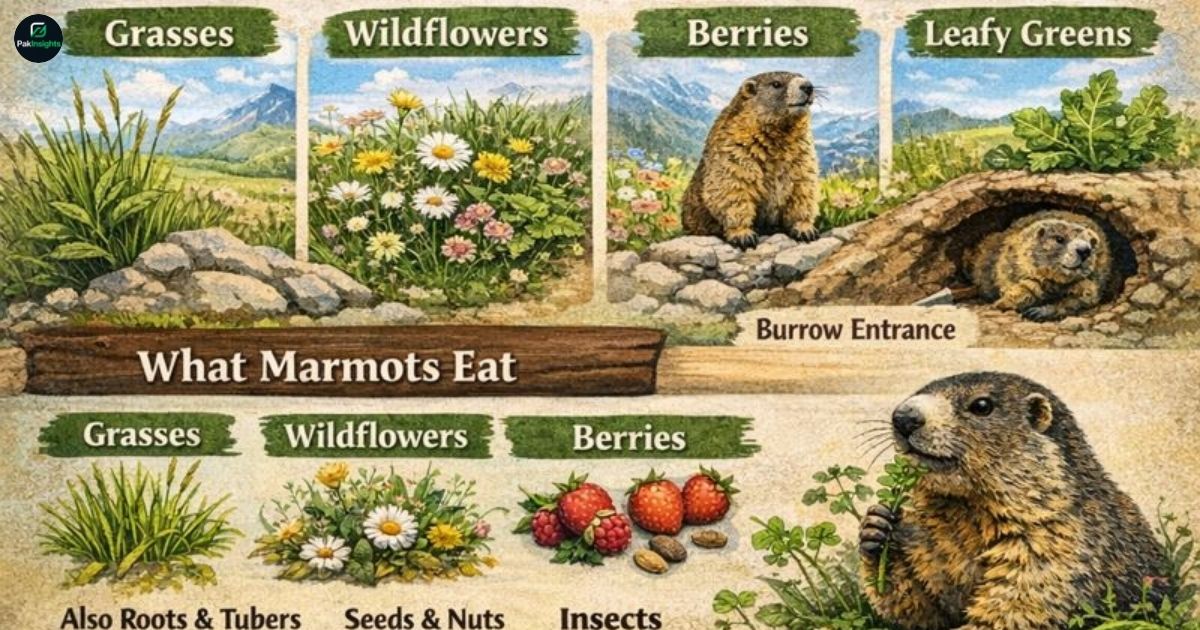
Marmots live in diverse environments, from alpine regions to grasslands and rocky slopes. In the USA, the Rocky Mountains, Cascade Range, and Sierra Nevada host several species, including Marmota caligata and Marmota flaviventris. They spend much of the year in burrows and dens, which protect them from predators and harsh weather. In winter, hibernation allows them to conserve energy. These mountain rodents are highly social, and group living helps them survive in cold, challenging habitats.
Their herbivorous diet includes grass, berries, roots, moss, and flowers, which vary by region and season. In spring, young shoots and greens dominate their meals, while autumn is for high-energy foods that prepare them for hibernation. Marmots are also known to chew on tree bark or lichens in scarce periods. Some species, like the Alpine marmot, adapt their foraging behavior based on marmot habitat, highlighting their remarkable survival skills. Seasonal changes influence fur coloration, body mass and size, and foraging strategies, ensuring they thrive even in extreme climates.
Marmots in the Wild – Conservation and Human Interaction
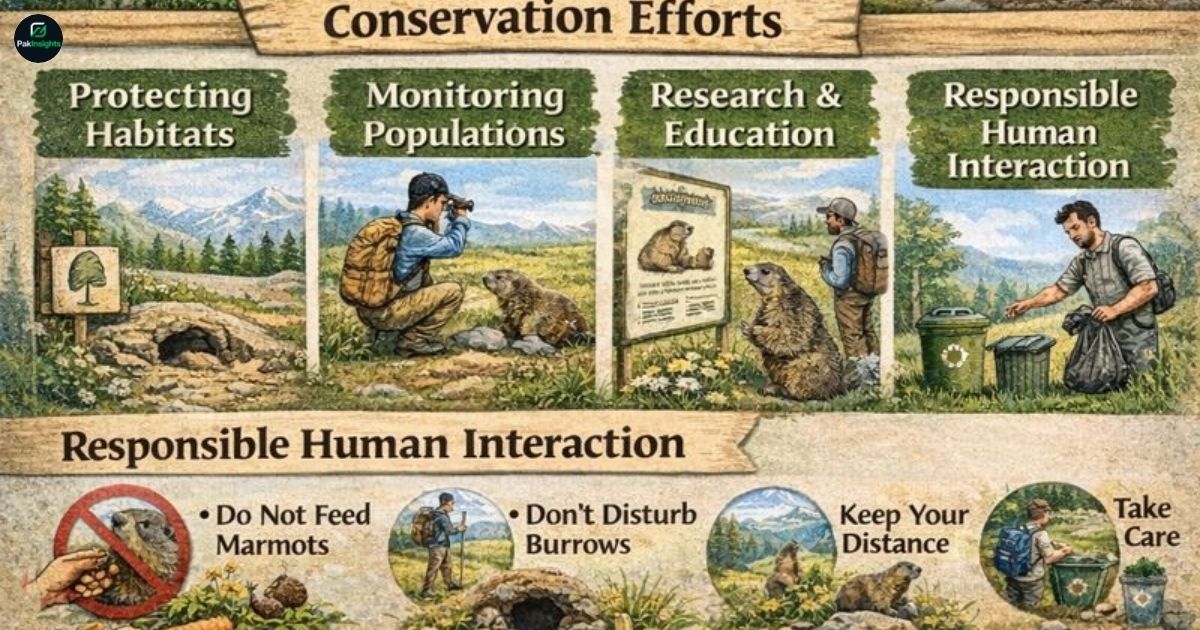
Marmots are highly social, communicating with alarm calls/whistles and maintaining structured colonies. Human activity, habitat destruction, and climate change have impacted their conservation status, especially for species like the Vancouver Island marmot (Marmota vancouverensis), which remains critically endangered. Conservation programs include habitat protection, breeding initiatives, and public awareness campaigns. In Alaska, the “Marmot Day” celebration honors these creatures and educates communities about their importance in ecosystems.
Historically, marmots also played a role in human stories and science. Michel Peissel studied Marmota himalayana on the Deosai Plateau, linking them to ancient gold-digging tales mentioned by Herodotus. Some researchers suggest marmots may have been natural reservoirs for Yersinia pestis, the bacteria responsible for the Black Death, as noted in studies of Marmota sibirica and other species. Artists like Jacopo Ligozzi illustrated marmots as early as 1605, highlighting their long-standing fascination with human culture. These historical references remind us how marmots are not only biologically intriguing but culturally significant.
Frequently Asked Questions
Q1: What is a marmot?
A marmot is a large ground squirrel from the Marmota genus that lives in mountains and grasslands and is known for hibernation and social behavior.
Q2: Where do marmots live?
Marmots live in the Rocky Mountains, the Alps, the Himalayas, and other mountainous or grassy regions, often in burrows and dens.
Q3: What do marmots eat?
They have a herbivorous diet, eating grass, berries, roots, moss, and flowers depending on the season.
Q4: Are marmots social animals?
Yes, marmots are very social and communicate using alarm calls/whistles to warn their colony of danger.
Q5: Which is the largest marmot species?
The Olympic marmot and Alpine marmot are among the largest, with body mass and size reaching up to 8 kg.
Meta Description
Discover marmot habits, habitats, diet, and fascinating facts about these social, hibernating mountain mammals.