
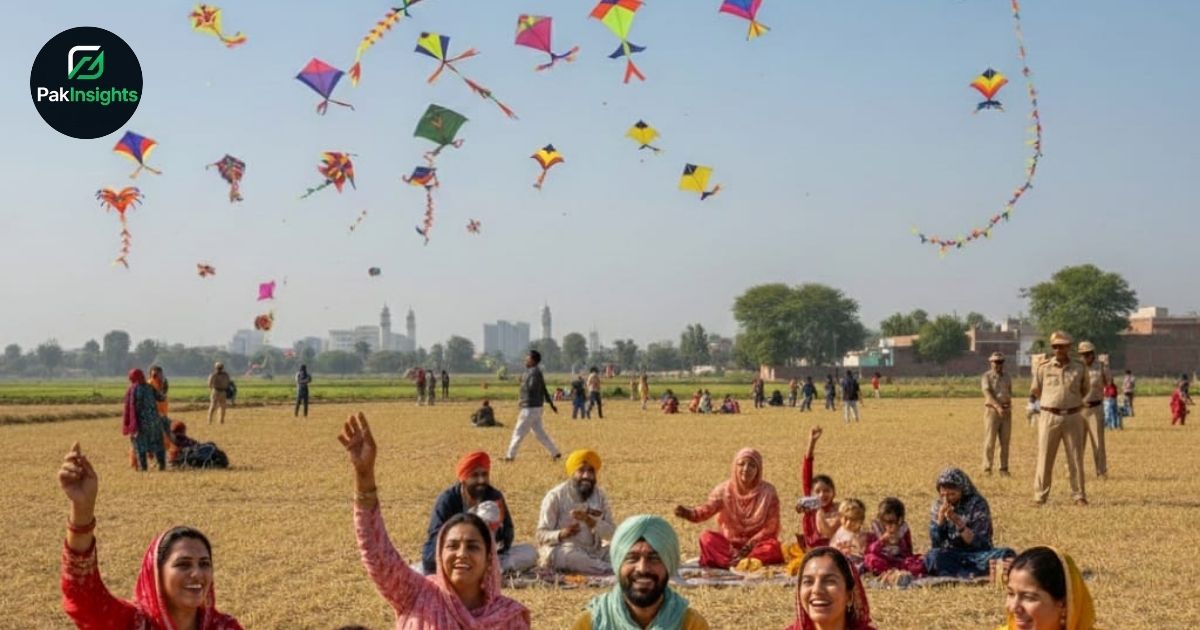
The much-awaited Basant festival in Punjab is making a colorful comeback in 2026 as the Punjab government has announced conditional permission for kite flying for the first time in 25 years. After decades of restrictions due to safety concerns, families, kite enthusiasts, and tourists can once again experience the thrill of kites soaring across the sky. The Governor of Punjab has signed a detailed ordinance outlining strict rules to ensure that celebrations remain safe and enjoyable for everyone.
This year’s festival is not just about flying kites; it symbolizes a careful balance between tradition, culture, and safety. With kite flying safety regulations in place, the authorities aim to prevent accidents while reviving one of Punjab’s most iconic cultural events. Local markets, kite-making workshops, and vendors are gearing up to welcome crowds, making this festival a significant boost for tourism and the local economy. For those who have waited years to participate, Basant 2026: Punjab Allows Kite Flying Under Conditional Guidelines promises a vibrant, responsible, and unforgettable celebration of Punjab’s rich heritage.
Why Basant Was Banned and What Led to Its Conditional Return
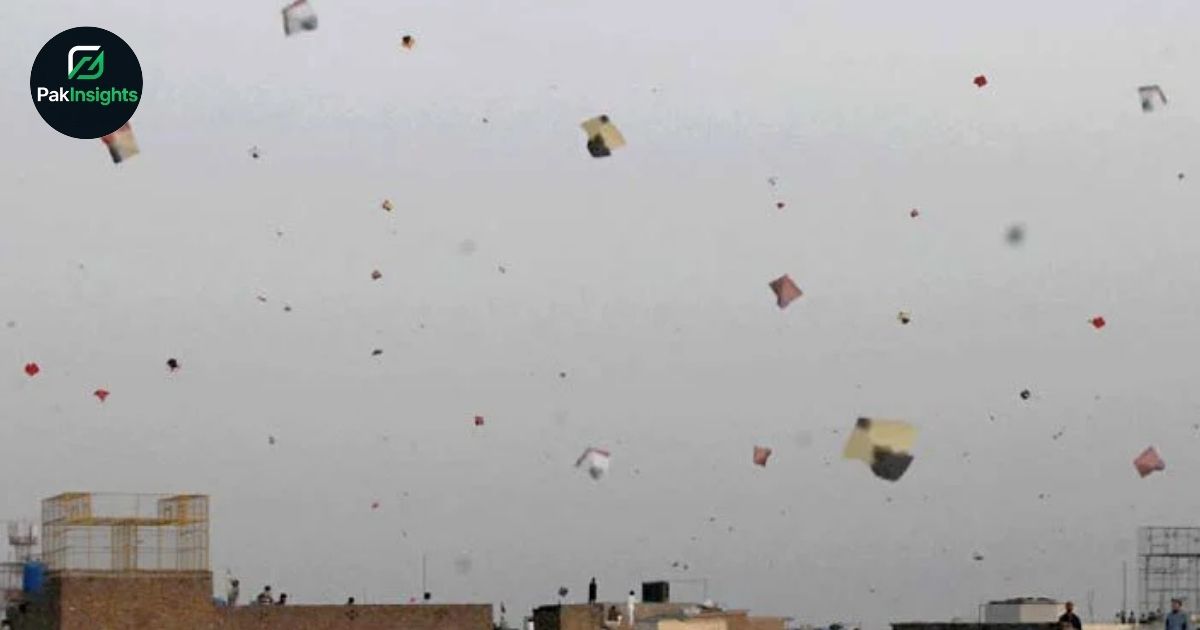
The Basant festival in Punjab was banned decades ago after several accidents involving children under 18 and adults during kite flying. Metallic threads and sharp-edged threads caused serious injuries, and many cities faced fires and electrocutions. The government had no choice but to impose a strict kite flying ban since 2001, prioritizing public safety. Over the years, kite lovers and cultural groups repeatedly urged the authorities to reconsider the ban, emphasizing the festival’s significance in Punjab’s heritage.
Recent studies and public campaigns pushed the Punjab government to revisit the issue. After reviewing safety mechanisms and consulting experts, the Governor of Punjab approved an ordinance granting conditional permission after 25 years. Authorities now aim to protect participants while reviving the festival. The decision also reflects the importance of cultural tourism and the economic benefits kite flying brings to local markets. By combining tradition with safety, Punjab is bringing back kite flying restrictions in a modern, controlled way.
Key Conditions Imposed by the Punjab Government for Kite Flying
The new rules are strict but fair. Children under 18 are prohibited from flying kites, and guardians are responsible for compliance. Only cotton threads can be used, while metallic threads and sharp-edged threads are completely banned. Anyone violating these rules faces imprisonment for 3–5 years or a fine of Rs2 million. For minors, the first offense is Rs50,000, and the second offense is Rs100,000 apply, and Guardians are held accountable if fines remain unpaid. These measures ensure that kite flying stays safe for everyone.
The government also introduced a digital system for accountability. Kite flying associations must register with the Deputy Commissioner, and registered vendors must provide QR code verification kites for all sales. Even thread makers have to register and link their products with QR codes. Kites purchased from unauthorized sources are illegal, and authorities will strictly enforce the rules. These steps guarantee transparency and safety during Basant 2026: Punjab Allows Kite Flying Under Conditional Guidelines.
The 2026 Basant festival in Punjab is expected to bring joy and economic benefits. Local markets selling kites and accessories will flourish thanks to the rules requiring registered vendors and verified thread makers. Tourism will also get a boost as international visitors witness a controlled but colorful cultural celebration, Basant. Schools and community centers are already preparing awareness campaigns to teach children about kite flying safety regulations.
With kite flying restrictions in place, families can enjoy the festival without fear. Authorities aim to prevent accidents while encouraging cultural revival. Businesses, kite enthusiasts, and tourists alike will benefit from these new rules. Conditional permission kite flying creates a safer environment, blending tradition with modern safety measures. For the first time in decades, Punjab is successfully balancing fun, heritage, and responsibility.
Basant 2026 Kite Flying Rules Table
| Rule | Details | Penalty | Responsible Party |
|---|---|---|---|
| Age Limit | Children under 18 cannot fly kites | First offense Rs50,000, Second offense Rs100,000 | Guardians |
| Thread Type | Kite flying associations, registered vendors, and thread makers must have QR code verification kites | Imprisonment 3–5 years, Fine Rs2 million | Flyers & Guardians |
| Registration | Kite flying associations, registered vendors, thread makers must have QR code verification kites | Confiscation, fines | Flyers & Vendors |
| Safety Areas | Only designated areas approved by Deputy Commissioner | Warning, fines | Flyers |
Frequently Asked Questions
Is kite flying legal in Punjab?
Yes, kite flying is now legal in Punjab under strict conditional permission kite flying rules issued by the Punjab government.
Is Basant allowed in Pakistan?
Yes, Basant is allowed in Pakistan with specific kite flying restrictions to ensure safety for participants.
What is the date of the Kite Festival 2025?
Basant, or the Kite Festival, is usually celebrated on Basant Panchami, which falls in late January or early February; the exact 2025 date is January 25, 2025.
Do we fly kites on Basant Panchami?
Yes, flying kites is a key tradition on Basant Panchami, marking the start of the Basant festival in Punjab celebrations.
Which manja is most powerful?
The most powerful manja is cotton threads treated for durability, while metallic threads are banned due to safety hazards.
Meta Description
Basant 2026: Punjab allows kite flying under strict safety rules, reviving the festival with conditional guidelines.