
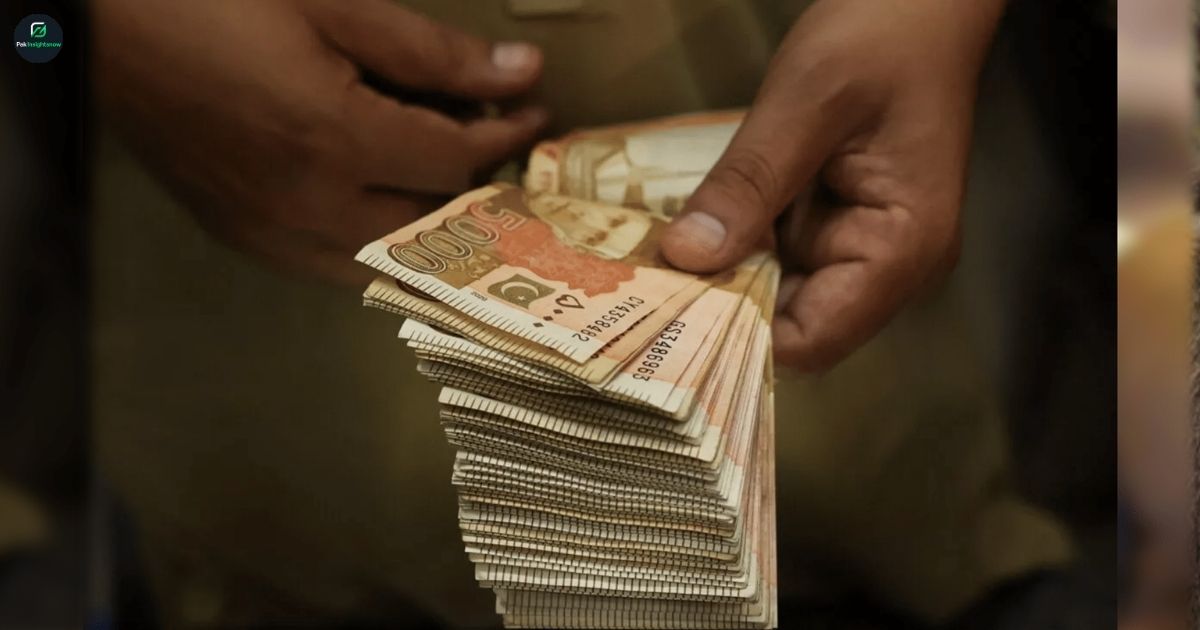
The Sindh minimum wage has been increased to Rs 43,000 per month as the provincial government unveiled its budget for the fiscal year 2026-27. The announcement was made as part of a broader financial plan focused on public relief, development spending, and maintaining economic stability without introducing any new taxes.
Chief Minister Syed Murad Ali Shah presented a Rs 3.562 trillion budget that also includes a 7% increase in salaries and pensions for government employees. The government emphasized that the new financial plan prioritizes welfare spending while keeping the tax burden unchanged for citizens.
Budget Focuses on Relief and Development
The Sindh government has projected a budget deficit of Rs 36.9 billion, with total revenue estimated at Rs 3.525 trillion. Despite the gap, officials said the province will continue funding major social and infrastructure programs.
Key allocations highlight strong spending on essential public services. The education sector has been allocated Rs 620 billion, while health services receive over Rs 393 billion. Law and order has been set at Rs 222 billion, and local governments will receive Rs 155 billion. Agricultural development has also been given Rs 41 billion to support rural growth.
In addition, Rs 400 billion has been reserved under the Annual Development Program to support ongoing and new infrastructure projects across the province.
No New Taxes, Targeted Relief Measures
One of the key features of the Sindh budget 2026-27 is the decision not to introduce any new taxes. Instead, the government has focused on targeted relief measures for different sectors.
These include reduced sales tax on educational support services, lower taxation for insurance-related activities, and cuts in agricultural super tax rates. The government has also raised exemption thresholds in selected categories to ease financial pressure on businesses and individuals.
Officials said these steps are designed to support economic activity while protecting vulnerable groups from rising costs.
Major Infrastructure and Social Spending
Large-scale development projects also remain a priority. Funding covers Karachi’s Yellow Line, Thar coal, municipal upgrades, and emergency systems.
A Rs 13.2 billion social protection package has also been introduced to support low-income and vulnerable communities across Sindh.
The provincial government says the budget balances responsibility and welfare while avoiding extra financial pressure on citizens.